

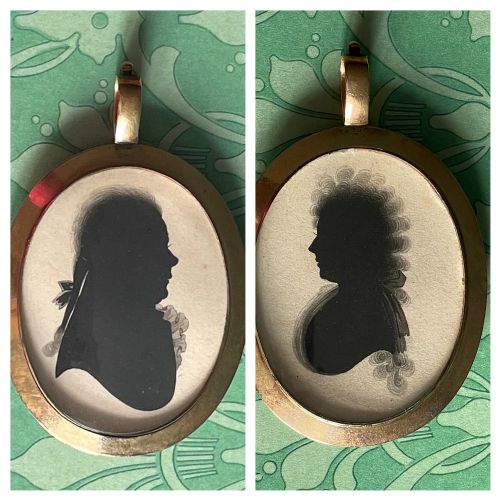
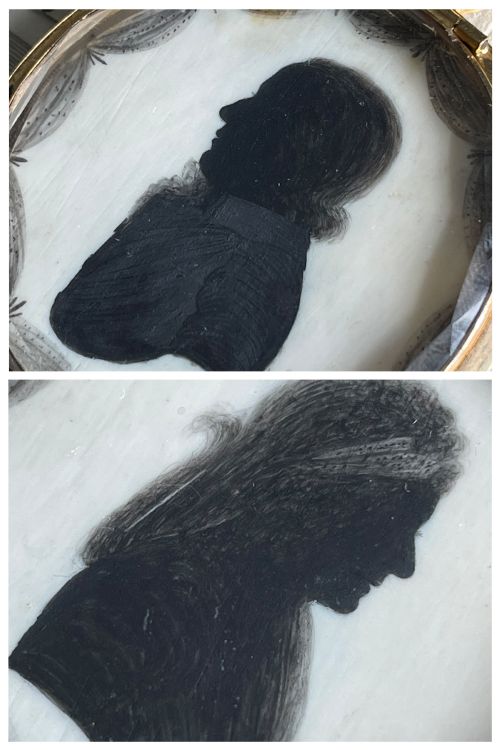
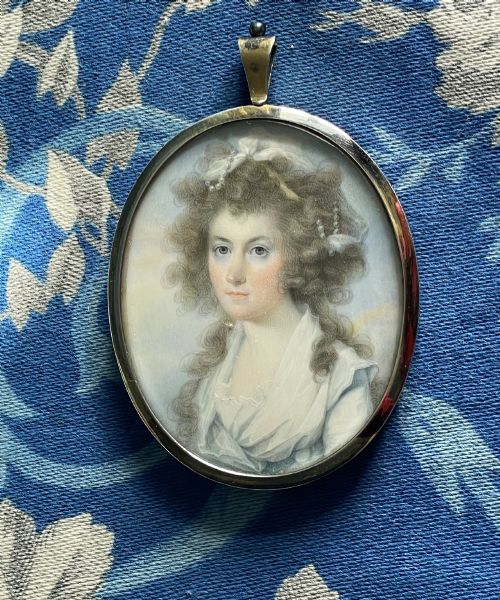
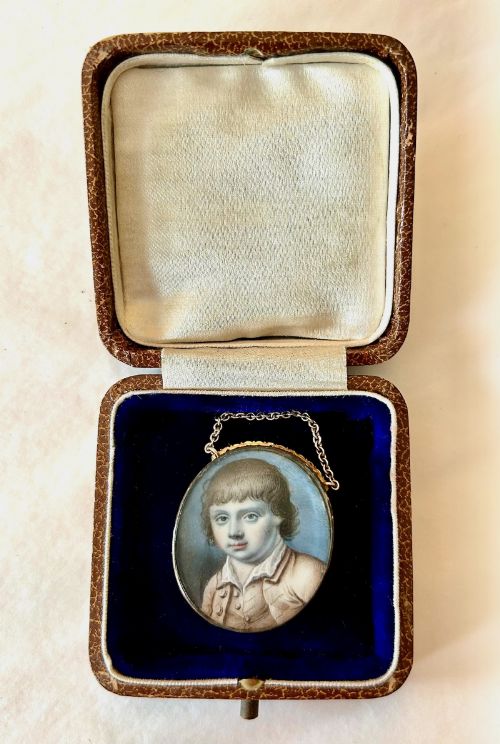
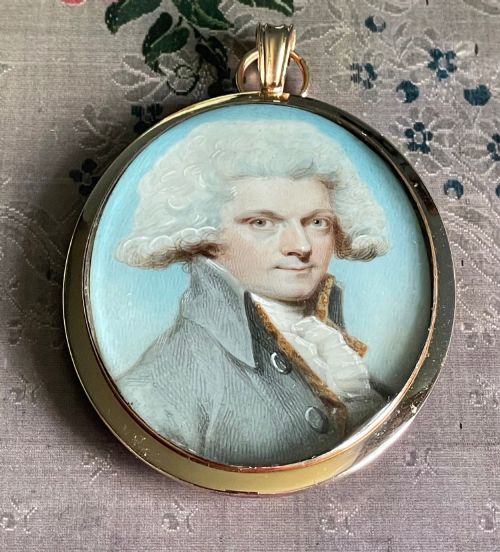
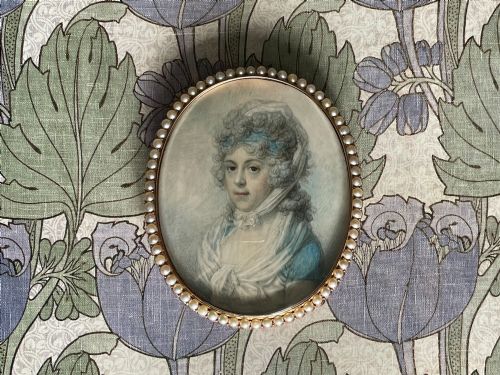



Georgian Gold Portrait Locket
A georgian gold portrait locket holds a hand-painted likeness behind glass, offering a tangible connection to an individual from centuries past.
Georgian Gold Portrait Locket
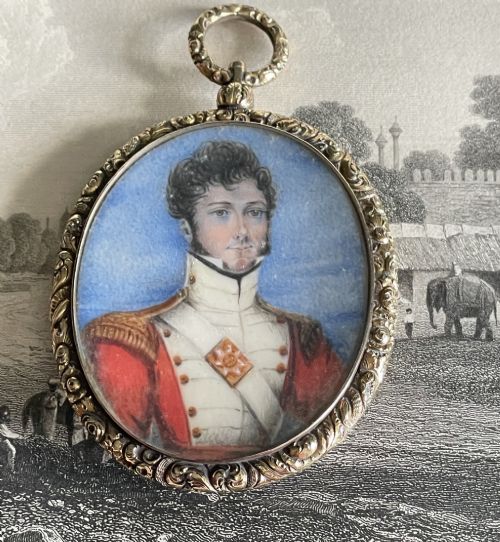
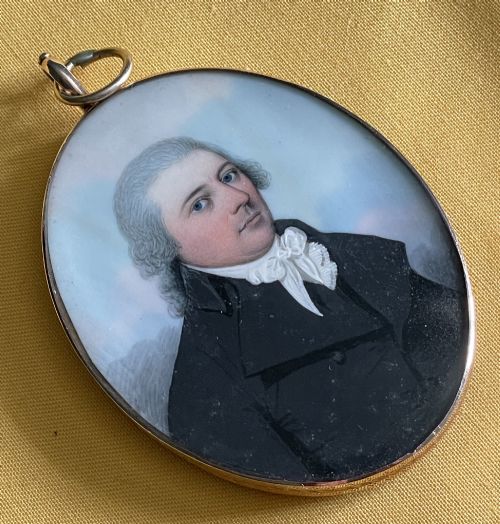
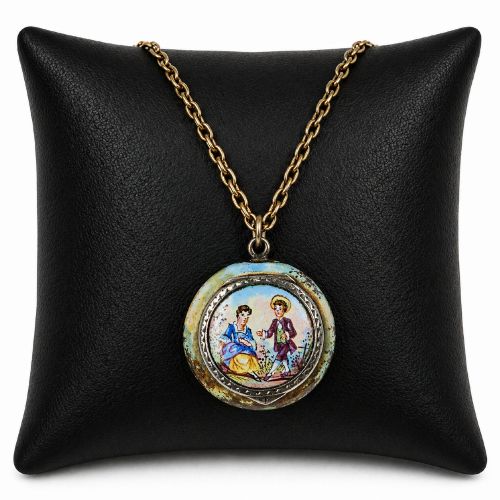
A georgian gold portrait locket combines wearable jewellery with miniature painting, designed to keep the likeness of a loved one close to the wearer. These pieces function as personal mementos, often taking the form of pendants or miniature paintings set within precious metal frames.
The versions most frequently encountered on this page date from the eighteenth and nineteenth centuries, spanning periods from seventeen hundred to the regency era. They appear in gold and gilt metal settings, frequently incorporating glass panels to protect delicate painted surfaces.
Makers produced these works using diverse substrates, including ivory, vellum, and agate panels. Many examples survive with their original suspension loops, allowing them to be worn as pendant necklaces or kept as portable works of fine art.
Materials and Craftsmanship
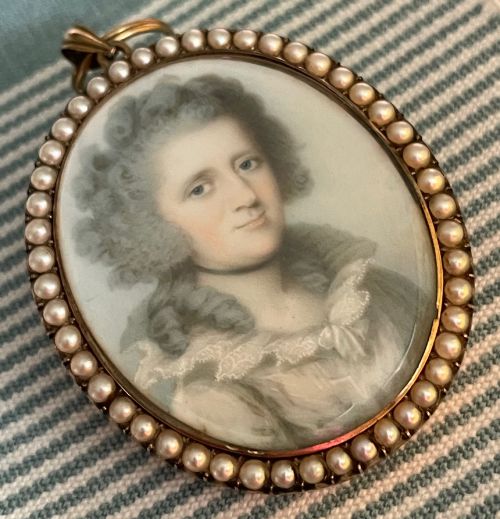
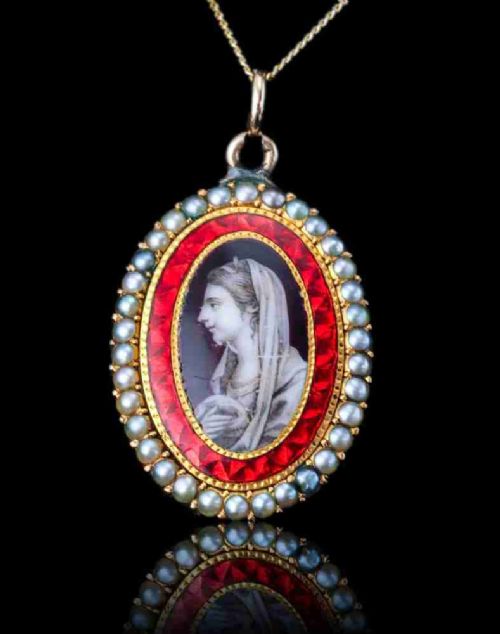
Craftsmen utilised gold and gilt metal to fashion secure frames for miniature portraits, sometimes incorporating pearls to edge the bezel. These mountings required precise metalwork to hold glazed panels firmly over the painted surface.
Georgian Gold Portrait Locket Retail Price Guide 2026
Typical asking prices for georgian gold portrait locket among the pieces listed under this phrase on Sellingantiques today, from the lower quarter to the upper quarter. They describe what is for sale here now, not the wider market.
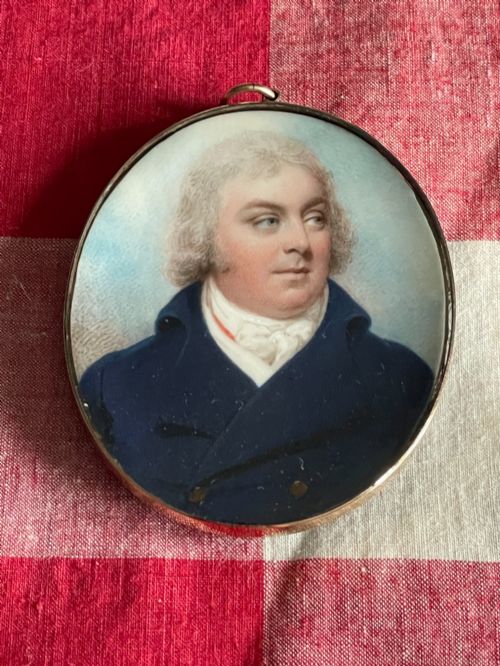
Several sitters gaze outward wearing elaborate powdered wigs and high lace ruffs, judging your browsing habits from the seventeen-hundreds.
Assessing Quality and Execution
The skill of the limner dictates the visual success of the miniature, separating basic likenesses from masterly portraits with psychological depth. Superior pieces display confident brushwork, accurate anatomical proportions, and subtle tonal gradations in the sitter's complexion.
The quality of the enclosing metalwork and the condition of the protective glass also influence the overall standard. Examples set in higher carat gold or framed with pearls demonstrate greater material investment by the original patron.
John Donaldson·Charles Shirreff·Richard Cosway·John C D Engleheart·Frederick Buck·William Wood·Charles Hayter·Christian Friedrich Zincke·George Engleheart·James Ferguson·Emma Kendrick·Henry Jacob Burch·John Inigo Wright·Edward Pugh·Samuel Cotes·Isaac Wane Slater·AE Chalon
The Georgian Gold Portrait Locket Glossary
- Miniature painting
- A small-scale portrait executed with fine detail, typically on ivory, vellum, or card. These works required specialised magnifying lenses and delicate pigments.
- Vellum
- A fine parchment made from calfskin, used as a stable surface for watercolour painting before ivory gained popularity in the eighteenth century.
- Enamel
- Vitrified glass powder fused to a metal substrate through firing, creating a glossy and permanent painted image that resists fading.
- Gilt metal
- A base metal alloy covered with a thin layer of gold, offering the appearance of solid precious metal at a lower cost.
- Bezel
- The collar of metal that holds the glass or gemstone securely within the frame of the locket.
Georgian Gold Portrait Locket: Frequently Asked Questions
What is a georgian gold portrait locket?
A georgian gold portrait locket is a small wearable pendant enclosing a hand-painted likeness, usually created during the eighteenth or early nineteenth century. These objects served as sentimental tokens or memorials for family members and friends.
They combine jewellery manufacturing with miniature fine art, housing delicate watercolours behind protective glass panels. Many retain suspension loops designed for attachment to chains or ribbons.
How were portrait miniatures painted?
Artists painted these small portraits using watercolours or gouache, frequently applying pigments to thin slices of ivory or vellum. The porous nature of ivory required specific techniques to create luminous skin tones.
Work was executed under magnification using extremely fine brushes. Once dry, the painted surface was sealed beneath glass to prevent damage from moisture and handling.
What materials are used in these frames?
Frames are constructed primarily from gold or gilt metal, depending on the commission's budget and the period of manufacture. Some examples incorporate decorative elements such as seed pearls set around the bezel.
Backings often feature woven hair compartments or plain gold plates. The integration of glass protects both the portrait and any enclosed hairwork.
How do I care for an antique locket?
Protect the locket from moisture, direct sunlight, and cosmetics to prevent degradation of the delicate watercolour pigments inside. Store the piece in a padded box away from extreme temperature fluctuations.
Avoid using liquid cleaners on the metal or glass, as moisture can seep past the bezel and ruin the paper or ivory substrate within.