



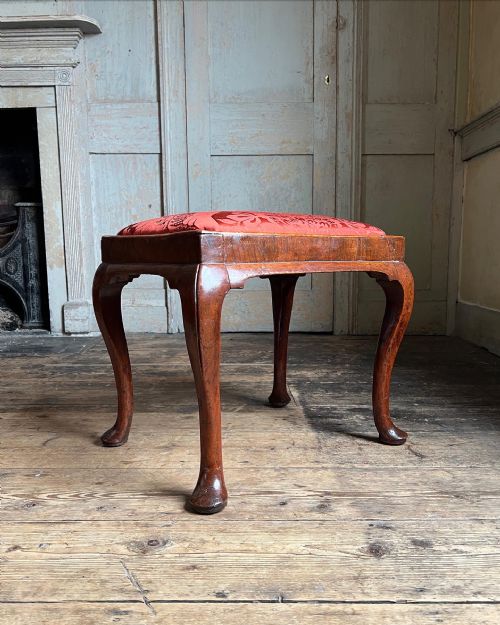


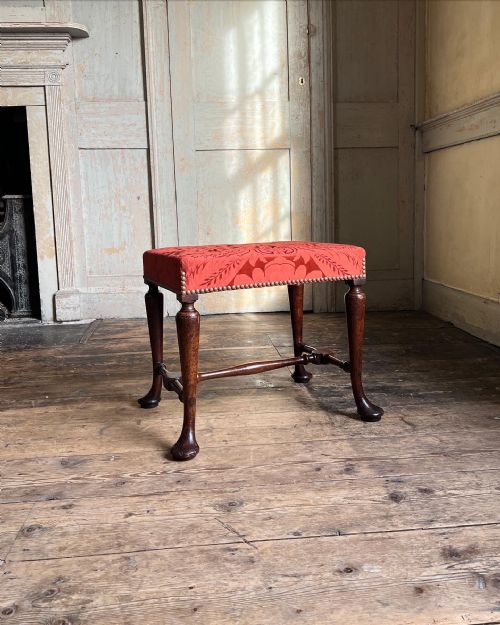
Georgian Walnut Dressing Stool
A georgian walnut dressing stool brings tactile warmth and period elegance to a bedroom, combining rich timber with traditional textile work.
Georgian Walnut Dressing Stool
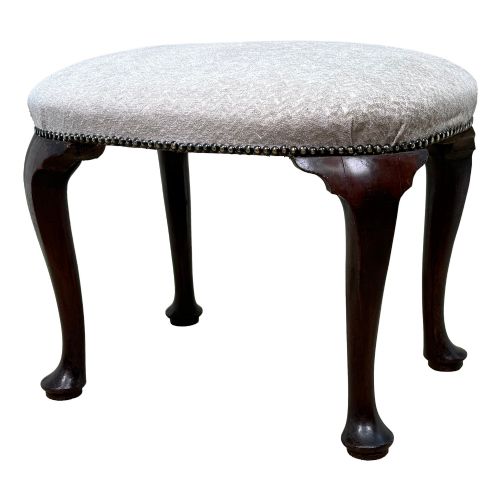
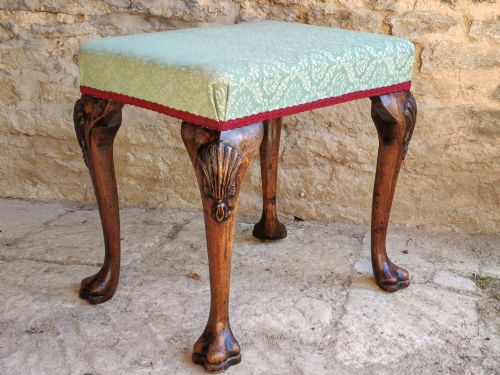
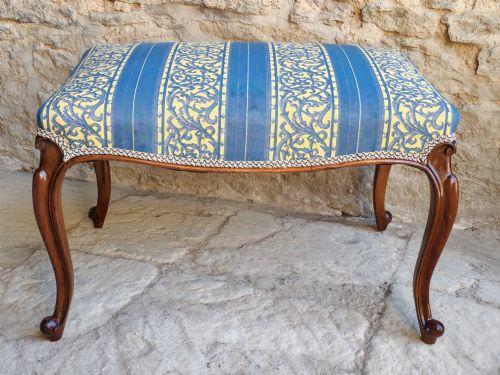
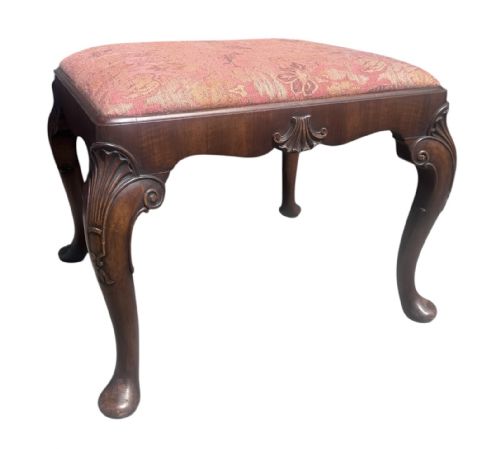
When searching for a georgian walnut dressing stool, collectors encounter pieces spanning the early eighteenth century through to later revival periods, including Edwardian and nineteenth-century interpretations of Queen Anne and George I designs. These seating forms range from compact footstools and window seats to dedicated dressing table stools.
The materials recorded across these examples centre on walnut frames paired with diverse coverings such as needlework, fabric, velvet, wool, and textile braid, occasionally accented with brass details. Styles frequently exhibit characteristic cabriole legs, sometimes featuring claw and ball feet, alongside revival interpretations that echo earlier Georgian aesthetics.
How they were made
Construction relies fundamentally on walnut timber selected for its rich grain, shaped into frames that support various forms of upholstery. Artisans applied traditional joinery techniques to form sturdy cabriole legs and rectangular or oval seats destined for domestic dressing rooms and halls.
Surfaces are finished with textiles, ranging from standard fabrics to intricate needlework covers secured with textile braids. Brass elements occasionally appear as structural or decorative accents, completing the traditional construction.
Georgian Walnut Dressing Stool Retail Price Guide 2026
Typical asking prices for georgian walnut dressing stool among the pieces listed under this phrase on Sellingantiques today, from the lower quarter to the upper quarter. They describe what is for sale here now, not the wider market.
One remarkably confident stool managed to sneak into the records simply calling itself a stool, refusing any stylistic label.
What varies in quality
The distinction between standard examples and superior pieces rests on the fluidity of the timber carving and the fidelity of the period style, particularly in the shaping of cabriole legs. Well-drawn proportions and confident lines elevate certain stools above more mechanical revival iterations.
Upholstery quality also dictates value, with unusually decorative needlepoint or period textile covers contributing significantly to a piece's character. The choice of walnut grain and the crispness of details like claw and ball feet further differentiate the range.
The Georgian Walnut Dressing Stool Glossary
- Cabriole leg
- A furniture leg that bends outward in a convex curve and tapers inward in a concave curve, mimicking an animal's leg. This form is typical of eighteenth-century seating and its later revivals.
- George I
- A design period spanning the early eighteenth century, characterised by restraint, elegant walnut usage, and the growing popularity of cabriole structures.
- Needlework
- Hand-stitched textile work utilised for upholstery on seats and stools, often featuring floral or geometric patterns executed in wool or silk.
- Window seat
- An elongated stool or bench designed to sit within the recess of a window, sharing construction traits with dressing stools.
Georgian Walnut Dressing Stool: Frequently Asked Questions
What textiles cover these seats?
Upholstery materials include traditional needlework, velvet, wool, and general fabric, frequently edged with textile braid.
Many pieces feature decorative needlepoint covers that reflect either period execution or later artistic revival work.
How do I spot a revival piece?
Revival items often date from the late nineteenth or early twentieth century, mimicking Queen Anne or George I aesthetics.
Comparing the timber patina, tool marks, and joinery style against known eighteenth-century standards clarifies the actual age of the item.
Where were these stools used?
These pieces functioned primarily in bedrooms alongside dressing tables, or as auxiliary seating in halls and parlours.
Their compact dimensions made them versatile for placement near windows or within dressing rooms.