




Georgian Wall Decor Painting
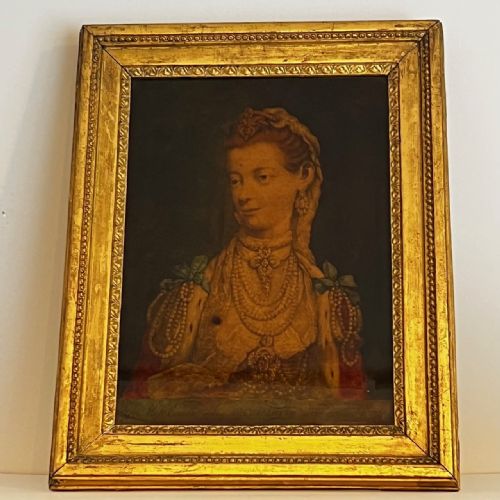
Georgian wall decor painting brings together centuries-old oils, watercolours and reverse glass prints to anchor a room with distinct historical character.
Georgian Wall Decor Painting
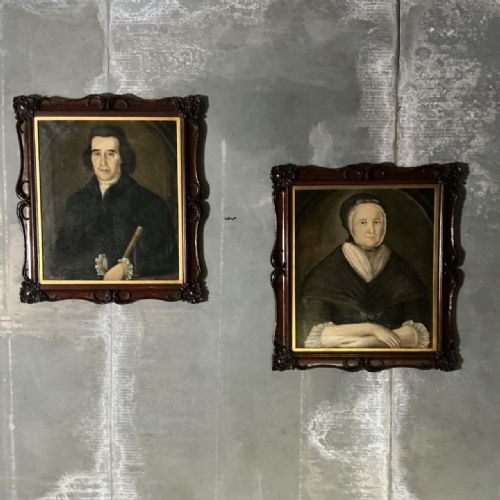
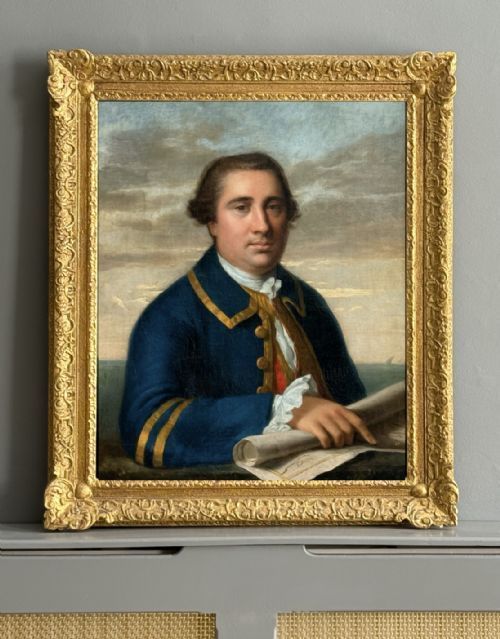
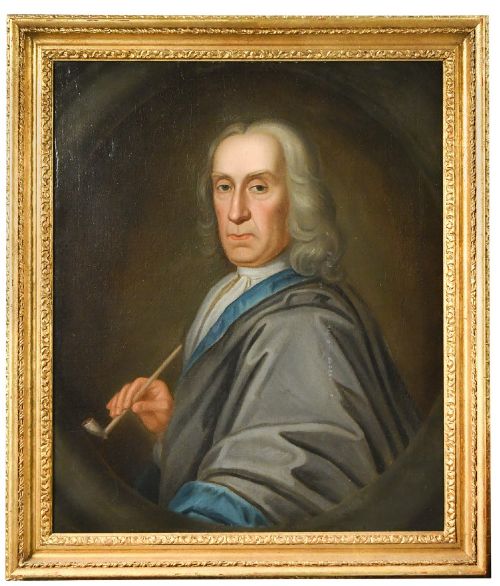
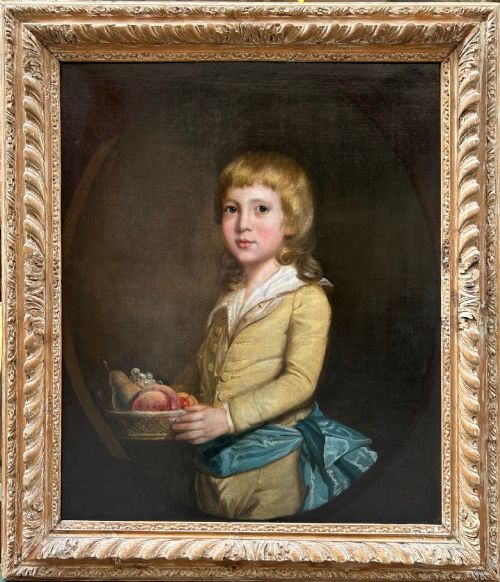
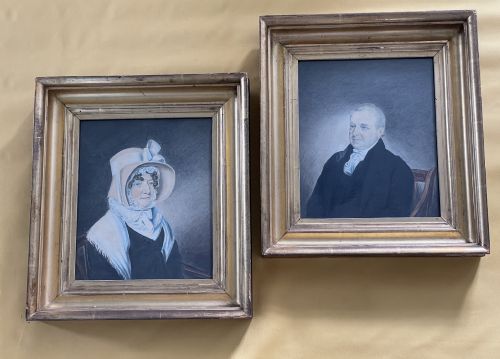
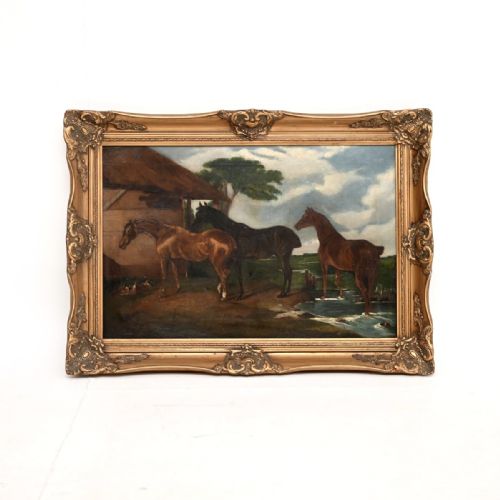
When searching for georgian wall decor painting, you encounter portraits, maritime scenes, equestrian art and trade signs spanning the eighteenth and nineteenth centuries. These works functioned as domestic ornamentation, capturing likenesses of gentlemen, merchants, naval captains and ladies alongside sporting subjects and pastoral landscapes.
The most common examples on this page are oil paintings on canvas and panel, alongside delicate reverse glass prints and watercolour portraits. Pieces range from the Georgian and Regency periods into the early nineteenth century, reflecting diverse British and Dutch stylistic influences.
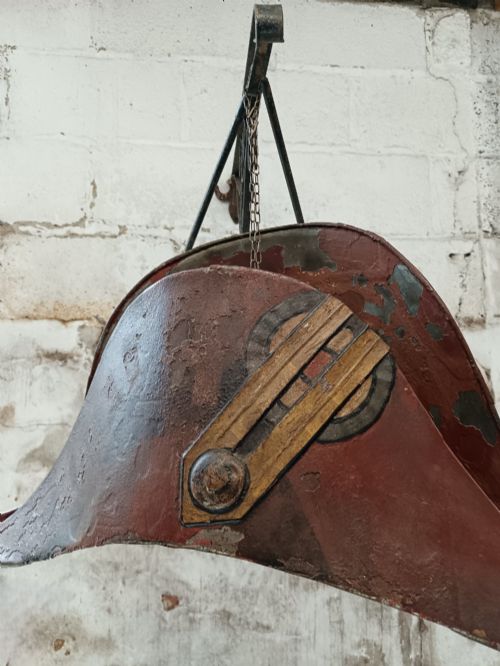
Wall decor in this category includes framed canvases, painted wall plaques, dummy boards and trade signs executed in wood, glass and metal. Each object served to furnish interiors with narrative, status or decorative colour.
How they were made
Makers utilised oil paint applied to canvas, pine panels or copper, often layering pigments to build depth in portraits and landscapes. Reverse glass printing involved applying colour and mezzotint directly to the rear of a glass sheet, creating a glossy finish characteristic of the period.
Frames incorporate wood and gold leaf, matching the traditional gilding techniques used to highlight maritime and portrait subjects. Toleware and trade signs involve painted tin and shaped timber, finished with protective varnishes that survive across centuries.
Listings feature oil on canvas, wood panels, glass, and gold leaf spanning the eighteenth century to the Regency era.
What varies in quality
Condition of the medium significantly shapes the standard of surviving examples, distinguishing untouched original surfaces from those with extensive modern restoration. Intact reverse glass prints without chipping and oils retaining their original ground and stretchers command greater appreciation.
Sir William Beechey·Sebastiaan Vrancx·Lemuel Francis Abbott·Thomas Beach·John Constable·William Williams·Abraham Cooper·Thomas Murray·Thomas Hickey·John E Fernley
The Georgian Wall Decor Painting Glossary
- Reverse glass print
- An image painted or printed onto the underside of a glass panel, viewed through the smooth front surface.
- Mezzotint
- A printmaking process of the tonal method, allowing smooth gradations of light and shade.
- Toleware
- Enamelled and painted metalware, frequently shaped into functional or decorative domestic objects and trade signs.
- Dummy board
- A painted wooden figure cut out to life size, designed to create a trompe l'oeil presence in a room.
- Eglomise
- A technique of applying cold gilding and painting to glass, producing a mirrored, reflective decorative border.
Georgian Wall Decor Painting: Frequently Asked Questions
How do I hang heavy oil paintings safely?
Heavy canvases and framed pine panels require secure wall fixings distributed across sturdy wall studs or solid masonry.
Utilising appropriate picture wire and double D-rings screwed directly into the wooden frame ensures the weight is balanced properly.
What is a reverse glass print?
A reverse glass print is an artwork where the design is applied directly to the back of a glass sheet.
Viewers look through the polished glass to see the image, which protects the pigment from atmospheric dust and surface damage.
Where were these paintings displayed originally?
These works hung in period drawing rooms, dining parlours, maritime offices and country houses as status symbols.
Traders and merchants also placed painted signs and dummy boards in hallways to announce commercial pursuits or decorate domestic spaces.