

Georgian Vitrine
A georgian vitrine brings refined display and timber craftsmanship into a room, holding collections behind glazed doors.
Georgian Vitrine
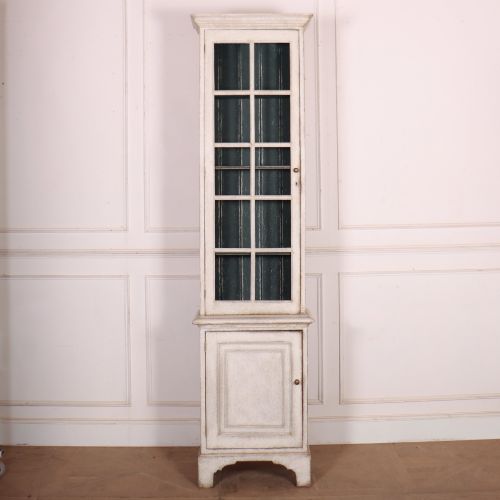
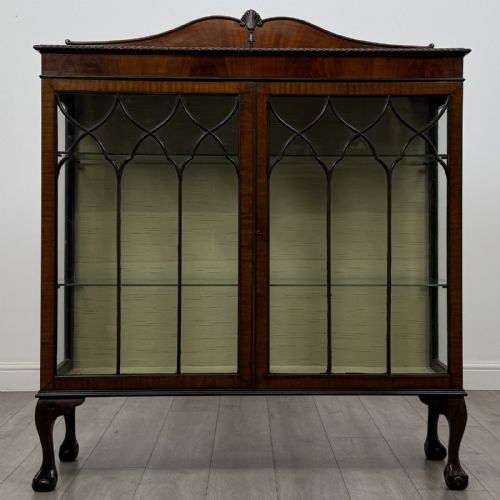
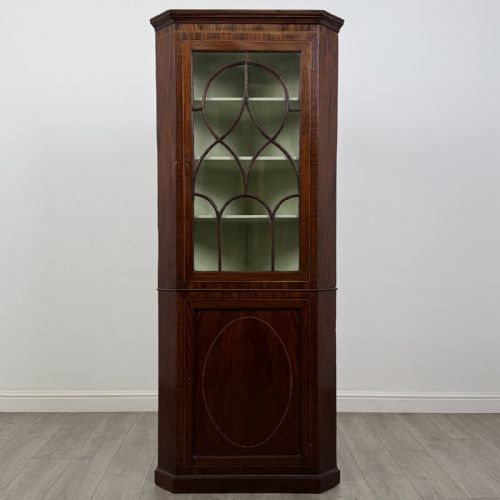
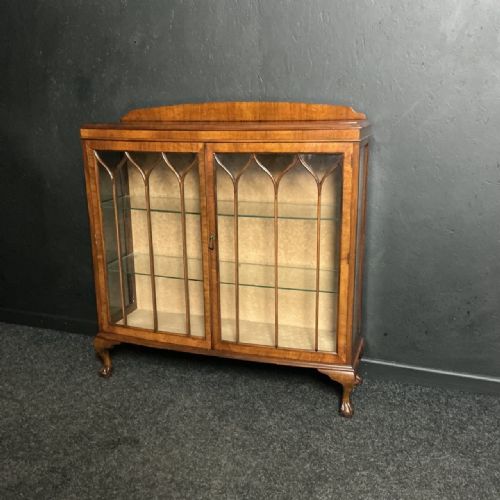
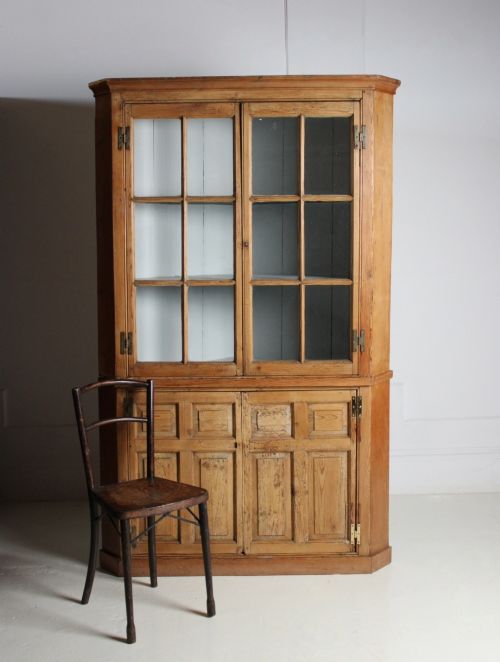
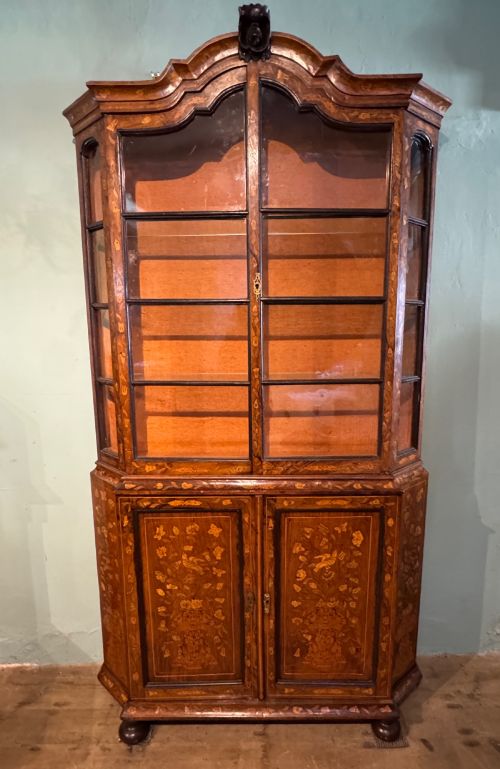
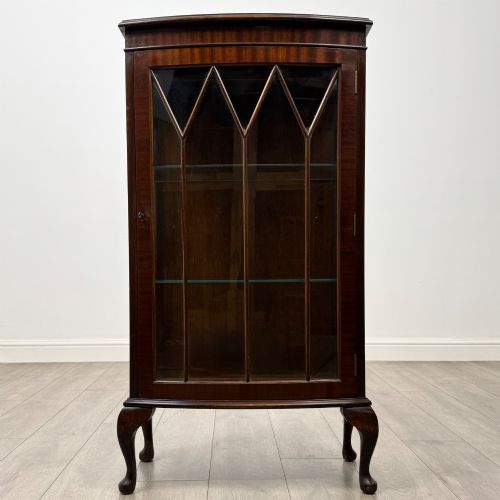
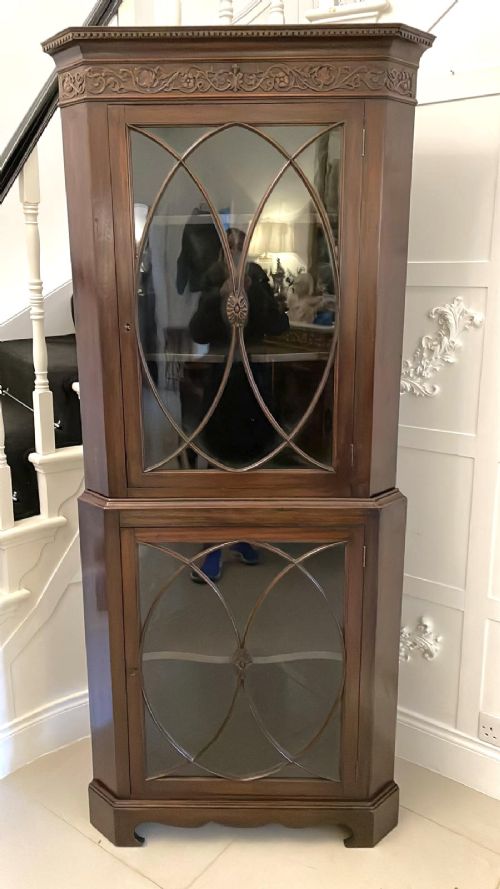
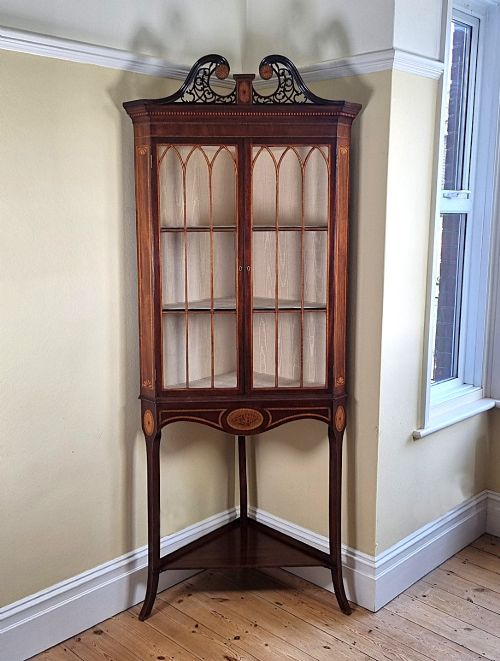
A georgian vitrine serves as a sophisticated display cabinet for precious ceramics and curiosities, drawing the eye with glazed timber doors. These pieces encompass freestanding floor cabinets, wall-mounted cupboards, and corner units designed to utilise interior space effectively.
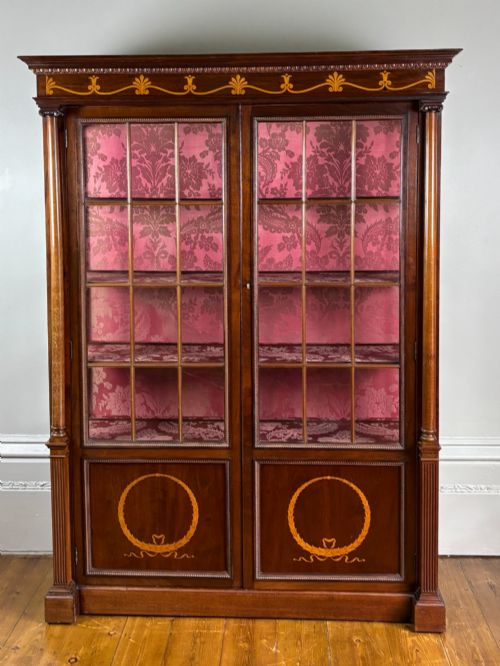
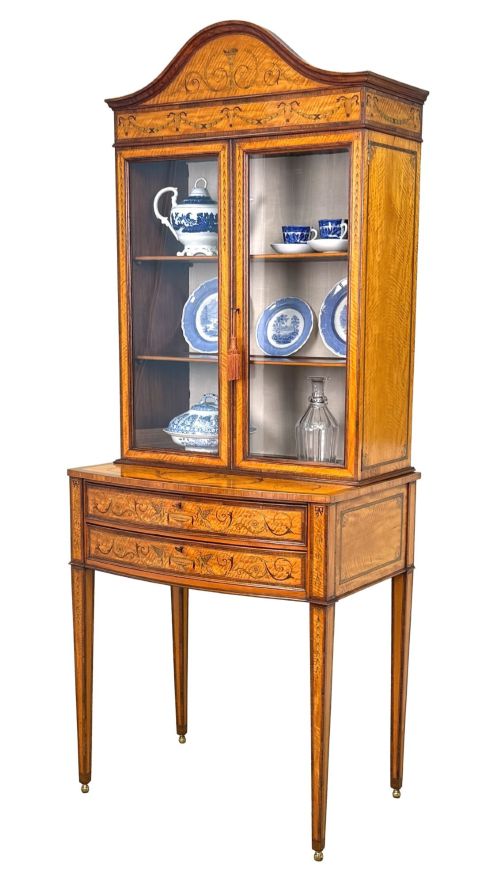
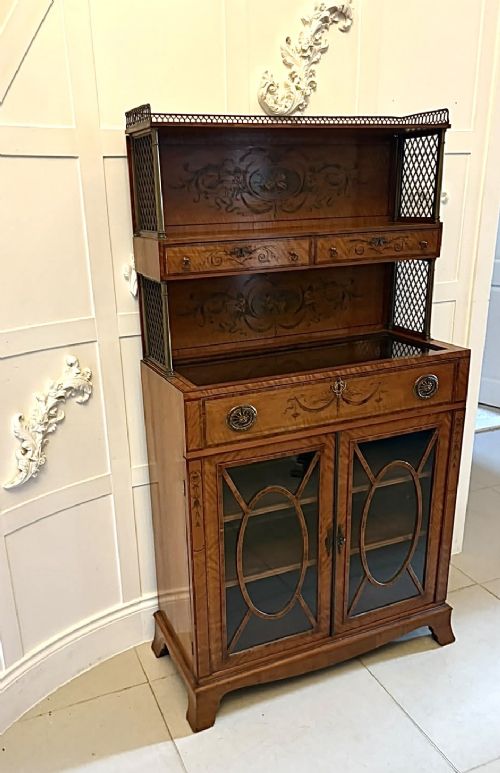
The selections span authentic pieces from the eighteenth century alongside later revivals, reflecting enduring tastes for classical proportions. Mahogany, walnut, and satinwood form the backbone of these constructions, often finished with marquetry inlay or astragal glazing bars.
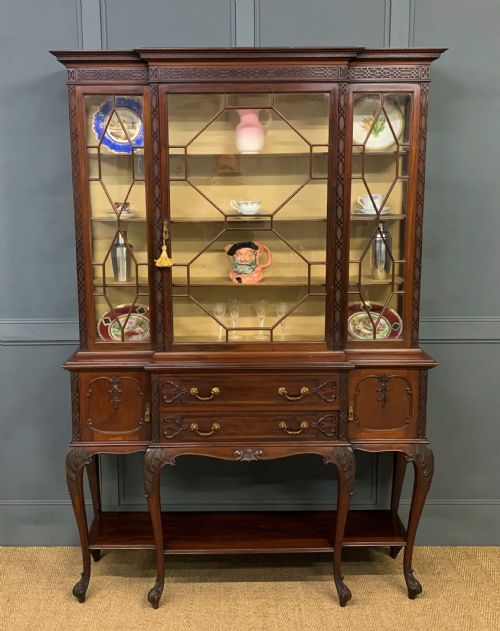
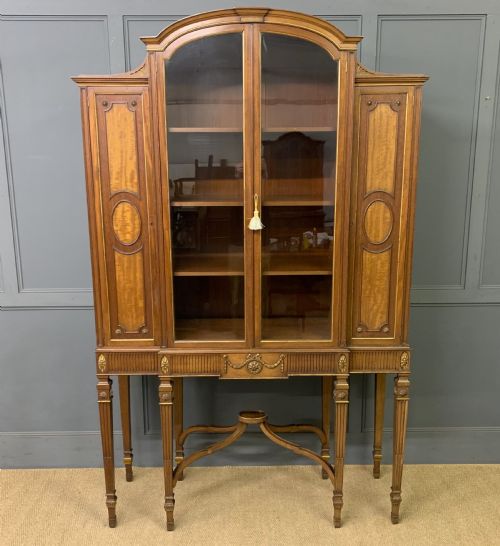
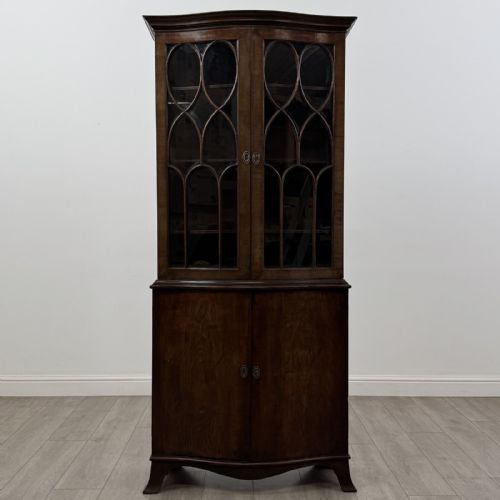
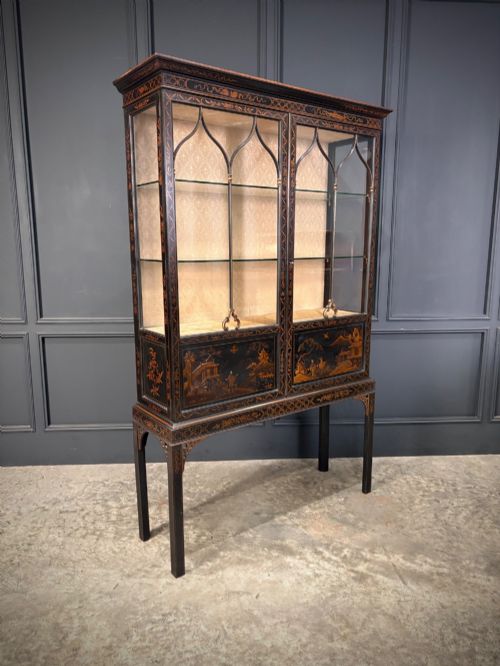
Buyers encounter various formats, including serpentine fronts, cabinets on stands, and larger bookcases adapted for display. Each configuration demonstrates distinct regional and stylistic traits originating from the Georgian period and its subsequent revivals.
Factors of Quality
The distinction between standard items and exceptional examples lies in the precision of the timber selection and the intricacy of the marquetry work. Finely figured wood grain, symmetrical veneer patterns, and hand-carved ornamentation separate master craftsmanship from routine production.
Structural integrity and the retention of original glass panes, brass fittings, and backboards significantly influence the character of each piece. Superior execution appears in the seamless fit of doors, the crispness of carved mouldings, and the overall balance of proportions.
Georgian Vitrine Retail Price Guide 2026
Typical asking prices for georgian vitrine among the pieces listed under this phrase on Sellingantiques today, from the lower quarter to the upper quarter. They describe what is for sale here now, not the wider market.
Listings feature mahogany, walnut, oak, and satinwood, spanning the Georgian era through to Edwardian and revival periods.
Waring and Gillow·Edwards and Roberts
The Georgian Vitrine Glossary
- Astragal glazing
- Timber bars forming a lattice to hold multiple glass panes within a door frame. These slender mouldings define the distinct geometric patterns visible on cabinet fronts.
- Marquetry
- Decorative veneer work using various coloured woods to create pictorial or geometric designs. Artisans cut and fit these thin wood pieces meticulously onto the furniture surface.
- Serpentine front
- A furniture facade shaped with a convex centre flanked by concave curves. This undulating line requires advanced carpentry skills to execute correctly.
- Cabinet on stand
- A display enclosure elevated on a separate framework of legs connected by stretchers. This form lightens the visual weight of tall timber furniture.
- Bijouterie cabinet
- A glazed display table or small cabinet designed specifically for small valuables and jewellery. These pieces usually feature glass tops and shelves for all-round visibility.
Georgian Vitrine: Frequently Asked Questions
How do I clean the glass?
Use a soft lint-free cloth and a mild glass cleaning solution applied directly to the cloth rather than the wood. Avoid letting moisture touch antique timber surfaces.
Take care around delicate astragal glazing bars when wiping the panes to prevent loosening the historic timber joints.
Where should I place a corner cabinet?
Corner cabinets fit neatly into unused room intersections, making them ideal for smaller reception rooms or dining spaces. They maximise floor space while offering functional display areas.
Keep them away from direct sunlight and heat sources to protect the polished wood finish and prevent veneer lifting.
How do I identify a revival piece?
Revival items from later periods often show mechanical saw marks or standardised fixings that differ from eighteenth-century hand tools. Timber seasoning and interior secondary woods also provide clues to exact manufacturing dates.
Stylistic cues often blend Georgian proportions with Edwardian or Victorian construction methods, creating hybrid characteristics.
Can these cabinets hold heavy items?
Most glass-fronted display furniture suits delicate porcelain, glassware, and lightweight curiosities rather than heavy books. Shelving thickness and support brackets dictate safe weight capacities.
Distribute weight evenly across the wooden or glass shelves to maintain structural stability over time.