



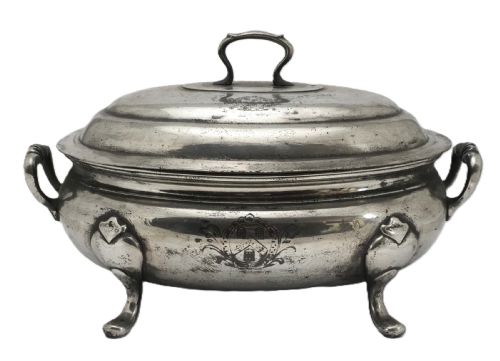

Georgian Vegetable Dish
A georgian vegetable dish brings heavy earthenware, glittering Old Sheffield Plate and crisp porcelain to the formal dining table.
Georgian Vegetable Dish
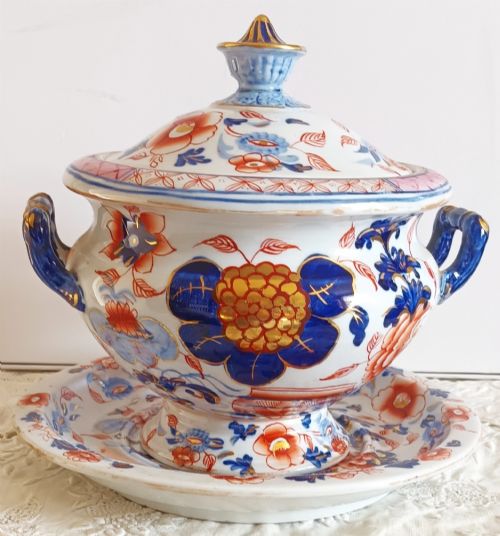
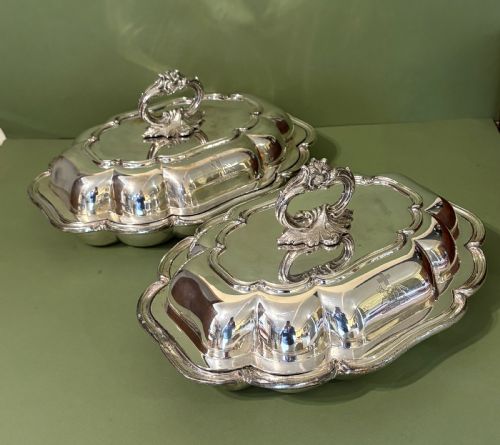
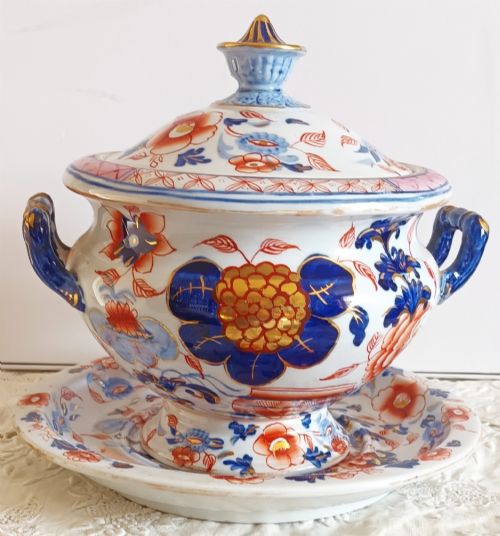
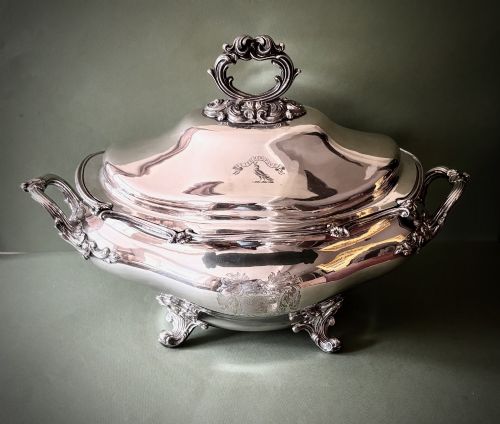
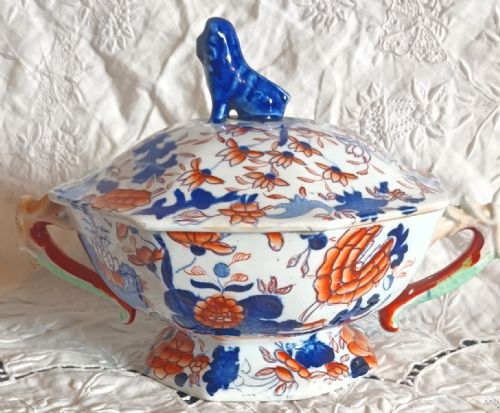
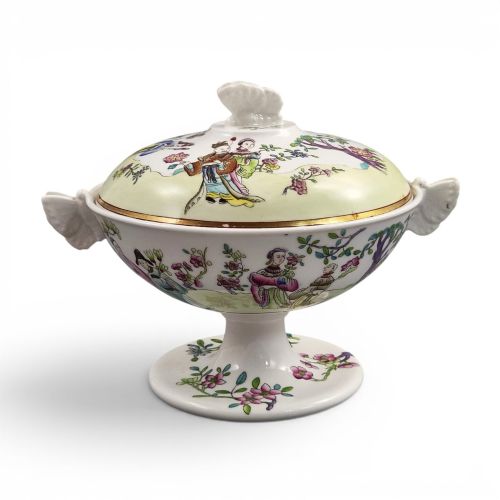
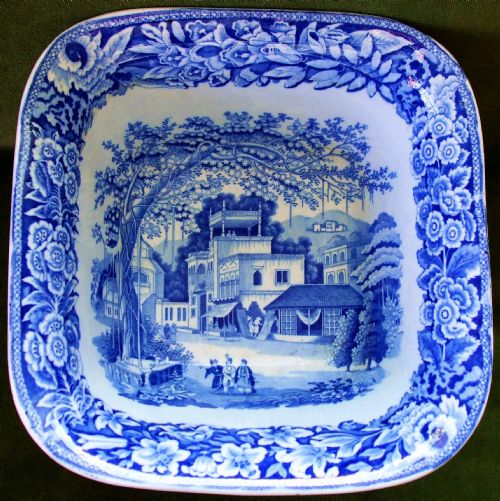
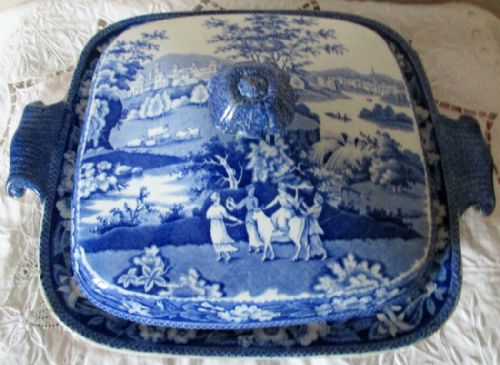
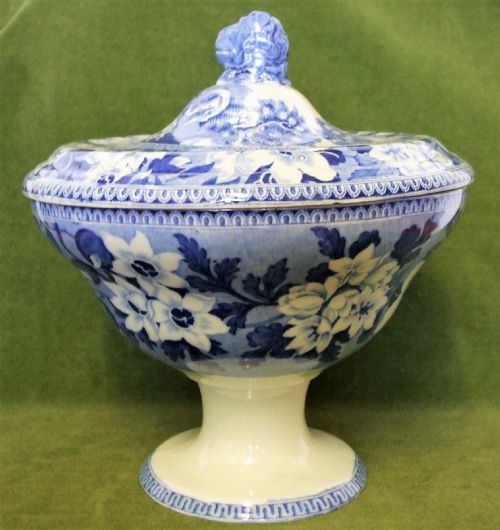
A georgian vegetable dish comprises covered tureens, entree dishes and warming vessels made for grand dining tables during the late eighteenth and early nineteenth centuries. These serving pieces range from robust pottery and ironstone painted with blue and white transfer prints to gleaming Old Sheffield Plate and sterling silver.
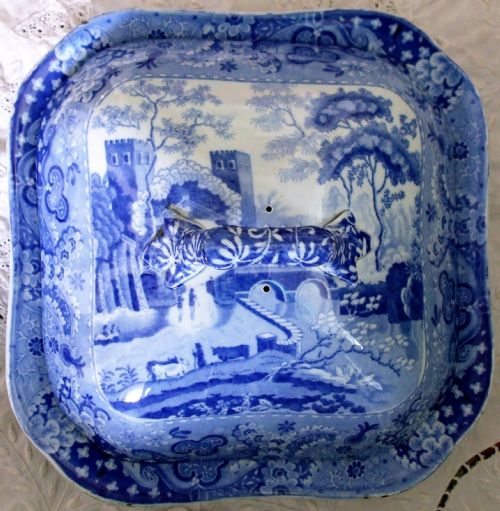
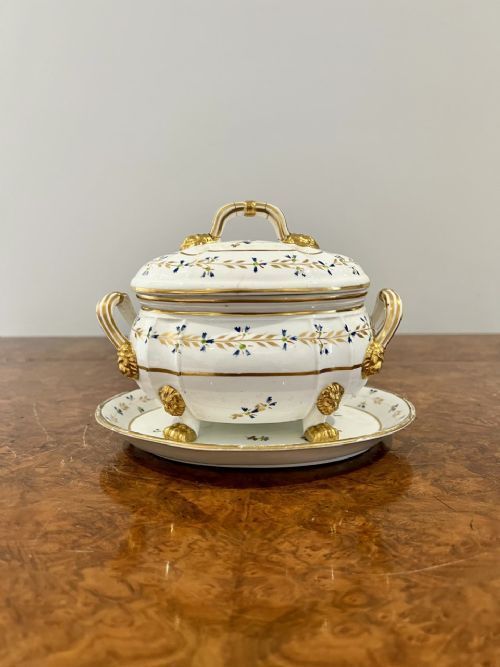
Most examples found on this page date from the Georgian, Regency and early nineteenth-century periods, taking the form of lidded vegetable tureens, sauce tureens and partitioned supper dishes. Ceramic versions often display botanical patterns, chinoiserie motifs or pastoral scenes, whilst metal examples rely on substantial weight and shaped rims for visual impact.
Materials and construction
Potters utilised earthenware, ironstone and porcelain, shaping vessels on the wheel or moulding them in clay before applying intricate blue and white transfer printing, hand-painted polychrome glazes or rich gilding. Ironstone provided a durable, dense ceramic body suited to heavy daily use in busy estate kitchens.
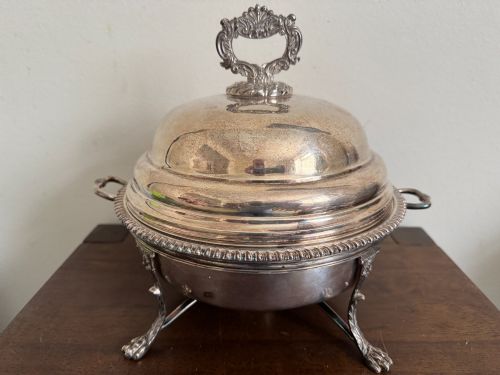
Metal pieces combine copper fused with a thin sheet of silver, known as Old Sheffield Plate, or utilise solid sterling silver for high-status commissions. Smiths formed these metals by hammering, soldering and casting handles and finials in classical scroll or foliate designs.
Georgian Vegetable Dish Retail Price Guide 2026
Typical asking prices for georgian vegetable dish among the pieces listed under this phrase on Sellingantiques today, from the lower quarter to the upper quarter. They describe what is for sale here now, not the wider market.
Dinners must have stayed hot for hours thanks to clever warming dishes fitted with dedicated lampstands to heat the food from below.
Judging quality and craftsmanship
Quality rests upon the crispness of the transfer print, the delicacy of hand-painted enamel details and the precision of the potter's mould. Superior ceramic pieces retain clean, sharp lines without blurring in the blue transfer, and porcelain bodies show high translucency when held to the light.
In metalwork, the retention of the silver layer over the copper base and the structural integrity of cast handles indicate superior fabrication. Better examples display harmonious proportions between the cover, body and decorative handles.
J. & R. Riley·J. & R. Clews·John Rogers & Son·Flight Barr & Barr·William Grundy·Matthew Linwood·Cresswick
The Georgian Vegetable Dish Glossary
- Transferware
- Pottery decorated by applying a printed paper design from an engraved copper plate onto the ceramic surface before glazing. This technique allowed factories to produce intricate pictorial scenes rapidly.
- Old Sheffield Plate
- A composite material formed by fusing a sheet of silver to a thicker copper base under high heat. This method predates electroplating and creates a warm, deep metallic lustre.
- Ironstone
- A heavy, durable type of earthenware patented in the early nineteenth century to imitate Chinese porcelain. It resists chipping and forms a reliable body for large serving vessels.
- Tureen
- A deep covered bowl designed for serving soups, sauces or vegetables at the table. These vessels often sit on matched stands or pedestals.
- Supper Dish
- A multi-compartment serving vessel, sometimes fitted with an internal lampstand to keep food warm throughout a prolonged meal. These pieces represent elite dining equipment of the period.
Georgian Vegetable Dish: Frequently Asked Questions
What is a georgian vegetable dish used for?
These covered vessels served hot vegetables, sauces or entrées at formal dining tables during the Georgian and Regency eras.
The matching lids kept food warm between the kitchen and the dining room whilst presenting an ornamental centrepiece for the table.
How do I care for antique ceramic tureens?
Wash ceramic tureens by hand in warm water using a mild detergent, avoiding abrasive scourers that might damage the historical glaze.
Keep them out of dishwashers and microwaves to protect the delicate nineteenth-century earthenware and transfer-printed decoration.
How do I clean Old Sheffield Plate?
Clean Old Sheffield Plate gently with a specialist silver polish and a soft cloth, taking care not to rub hard enough to expose the underlying copper base.
Regular, gentle polishing maintains the soft lustre characteristic of fused silver without wearing away the historical metal layer.
How do I distinguish ironstone from porcelain?
Ironstone is a heavy, opaque ceramic body designed for durability, whereas true porcelain is finer, thinner and translucent when held up to a strong light.
Ironstone pieces feel substantially heavier in the hand and show a more utilitarian strength compared to delicate porcelain bodies.