




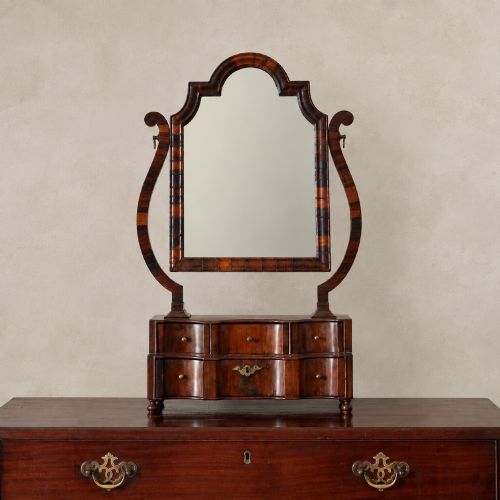
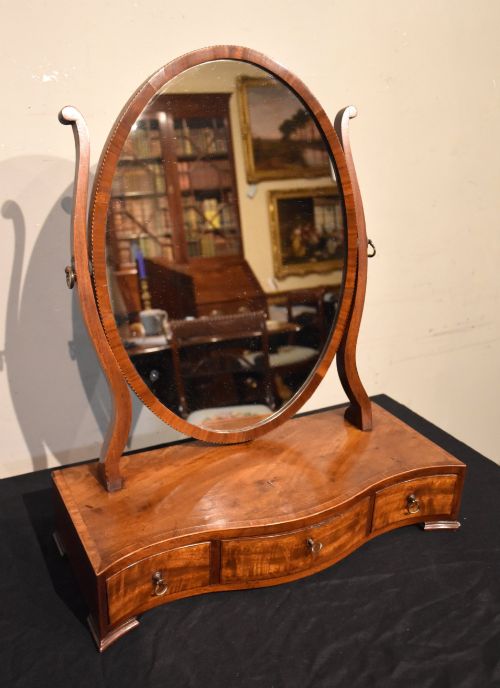
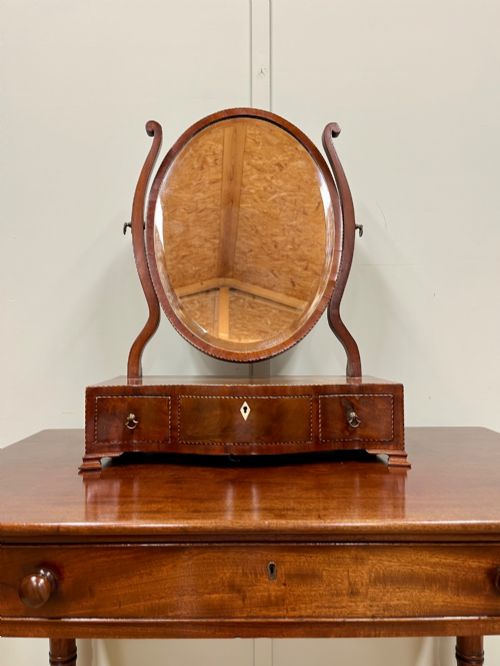
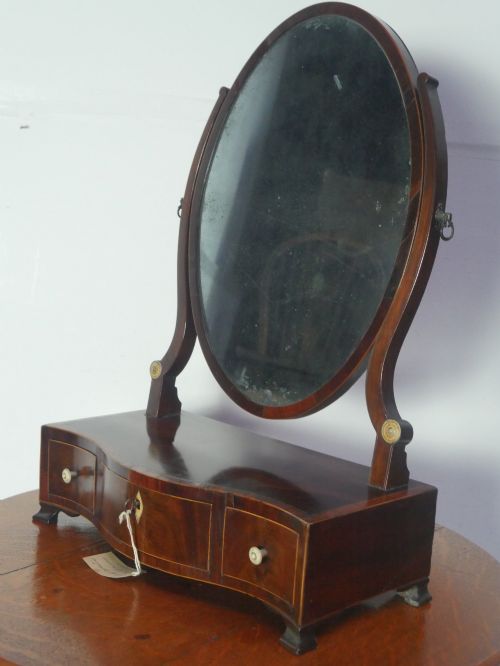
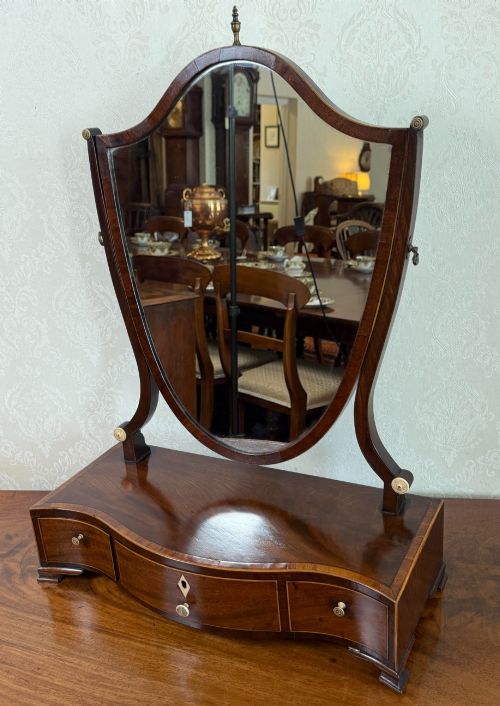
Georgian Vanity Box
A georgian vanity box brings together fine timbers and clever compartments, offering a glimpse into historic daily grooming.
Georgian Vanity Box
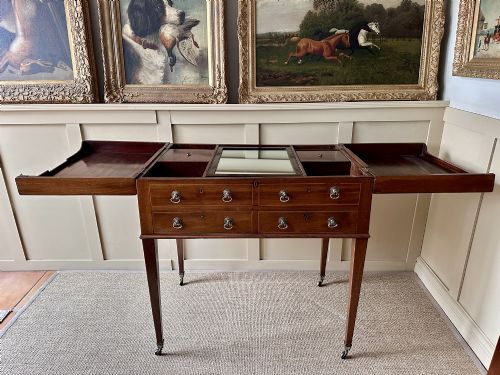
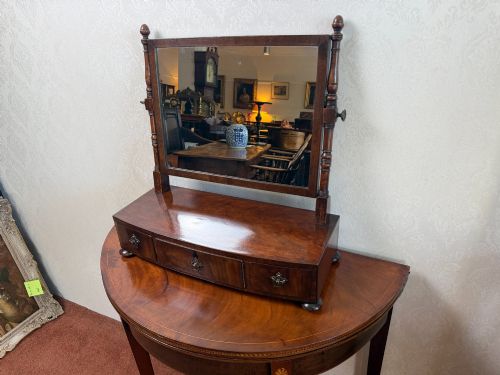
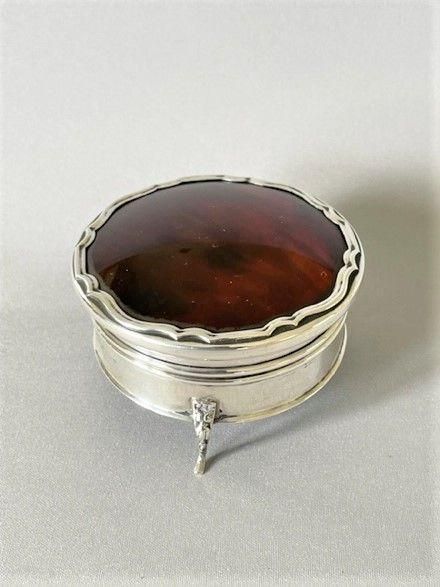
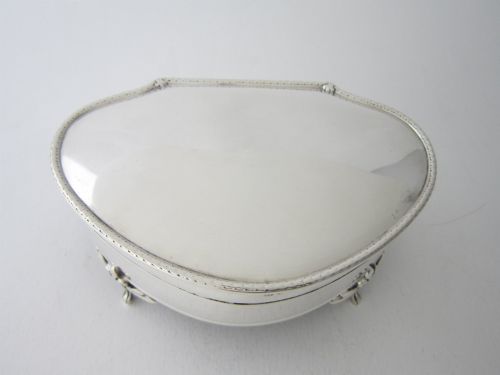
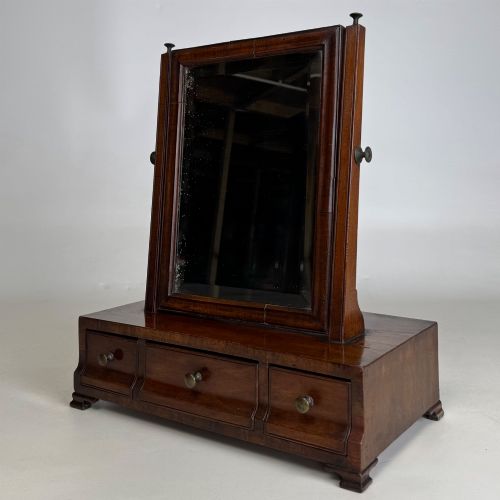
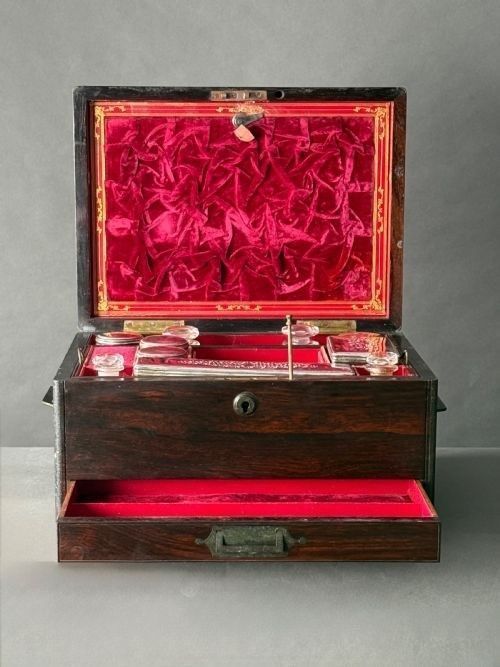
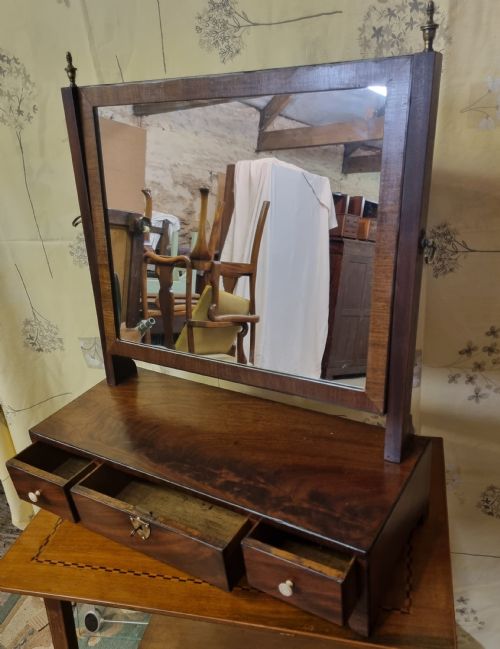
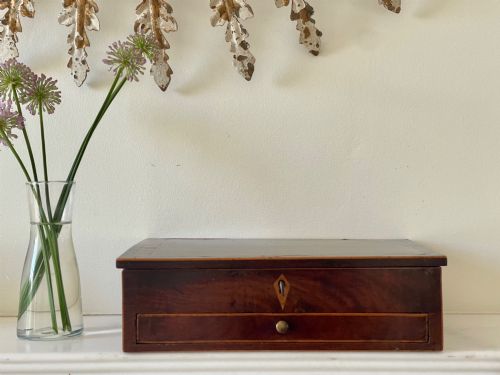
A georgian vanity box encompasses a variety of portable containers designed for personal care, jewellery storage, and grooming utensils. Buyers searching this phrase most commonly encounter dressing table mirrors, toilet mirrors, and fitted wooden boxes originating from the Georgian, Regency, and 18th century periods.
The objects span compact trinket holders, silver patch boxes, and larger swing mirrors featuring serpentine drawers or crossbanded details. Mahogany serves as the predominant timber, though walnut, rosewood, and satinwood appear frequently across the selection.
These pieces functioned as essential accessories for personal preparation on tabletops and dressing chests. Their survival offers a tangible link to period craftsmanship, combining utility with decorative elegance.
How they were made
Cabinet makers utilised dense hardwoods such as mahogany, walnut, and rosewood, often applying flame veneers and decorative crossbanding to enhance the visual depth of the surfaces. Brass fittings, including hinges, escutcheons, and swing mirror pivots, provide structural support and functional movement.
Interiors frequently incorporate secondary timbers alongside velvet, leather, and paper linings to protect delicate glass scent bottles, silver boxes, and jewellery. Specialised techniques like parcel-gilding highlight carved wooden mouldings on finer mirror frames and toilet glasses.
Georgian Vanity Box Retail Price Guide 2026
Typical asking prices for georgian vanity box among the pieces listed under this phrase on Sellingantiques today, from the lower quarter to the upper quarter. They describe what is for sale here now, not the wider market.
What varies in quality
The refinement of the timber selection and the precision of the cabinet work define the upper tiers of these objects. Pieces featuring matched flame mahogany veneers, intricate crossbanding, and well-executed serpentine drawers demonstrate superior workshop skill.
Hardware integrity and original glass condition heavily influence the overall character of a mirror or box. Well-preserved brass mounts and intact internal compartments elevate an example far above standard utility items.
Paul Storr
The Georgian Vanity Box Glossary
- Toilet mirror
- A small mirror mounted on a pivoting frame, usually set upon a miniature chest of drawers or a plinth base. These pieces sat atop dressing tables to assist with personal grooming.
- Crossbanding
- A decorative border technique where thin strips of veneer are laid running perpendicular to the main grain of the wood. This method creates a contrasting frame around drawer fronts and box lids.
- Parcel-gilt
- A decorative finish where selected carved details or mouldings receive a thin application of gold leaf over a prepared base. It highlights specific design elements on mirror frames.
- Serpentine
- A distinct undulating curved outline, shaped like a horizontal letter S, commonly found on the front edges of drawer blocks and mirror bases. This contour adds dynamic movement to cabinet work.
- Etui
- A small decorative case designed to hold sewing implements, tweezers, or cosmetic tools. These portable containers often utilise precious metals or tortoiseshell.
- Patch box
- A tiny lidded container historically used to store small silk or velvet patches worn on the face. They frequently incorporate sterling silver or enamelled construction.
Georgian Vanity Box: Frequently Asked Questions
What is a georgian vanity box used for?
These objects served as portable stations for personal grooming, holding items like scent bottles, small mirrors, and cosmetics. They allowed individuals to organise and transport their daily requisites.
Over time, many adapted to house jewellery, letters, and small sewing implements. Their internal compartments provided secure storage for fragile personal possessions.
How do I identify a georgian period piece?
Examination of the timber, construction methods, and hardware style helps determine the period of manufacture. Authentic examples often display period dovetails, native hardwoods like mahogany or walnut, and hand-cut brass screws.
Stylistic cues such as parcel-gilt mirror frames and serpentine drawer layouts align closely with 18th century and Regency design conventions.
Are these boxes and mirrors made of solid mahogany?
Cabinet makers frequently employed solid timber for structural frames, legs, and mouldings while using veneers on wide flat surfaces like box lids and mirror backs. This technique prevented warping.
Figured woods like flame mahogany and rosewood appeared as veneers to display striking grain patterns that solid planks could not easily match across large expanses.
How should I care for antique wood and glass?
Keeping wooden surfaces away from direct sunlight and extreme humidity protects the historic polish and prevents timber movement. Regular dusting with a dry, soft cloth maintains the finish safely.
Original mirror glass requires gentle cleaning without harsh chemical sprays to preserve the historical silvering and reflective quality.