
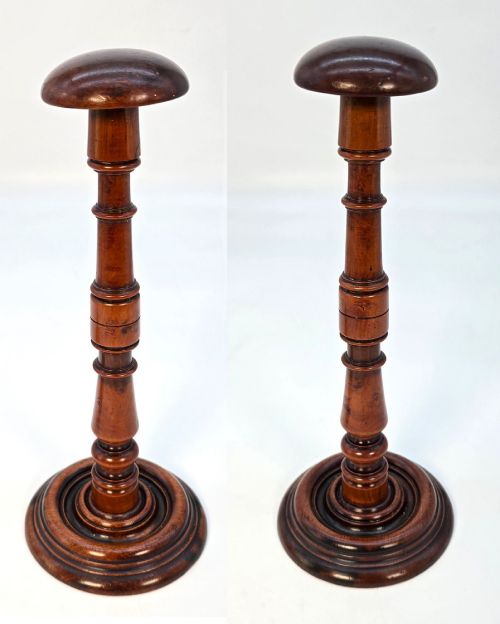
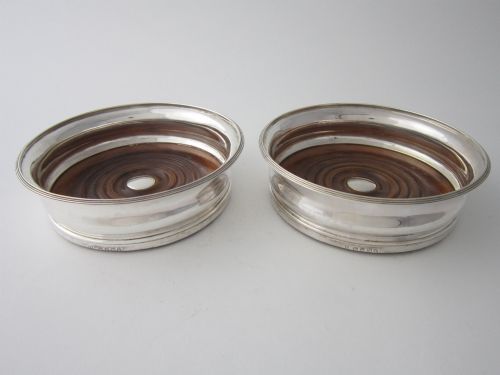
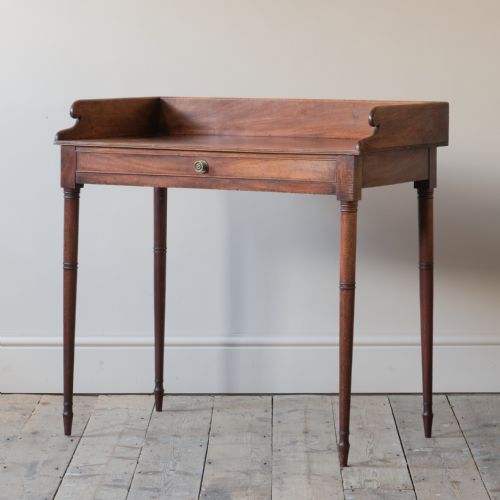
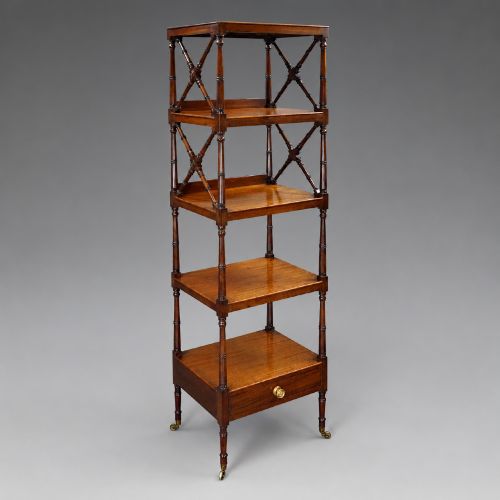

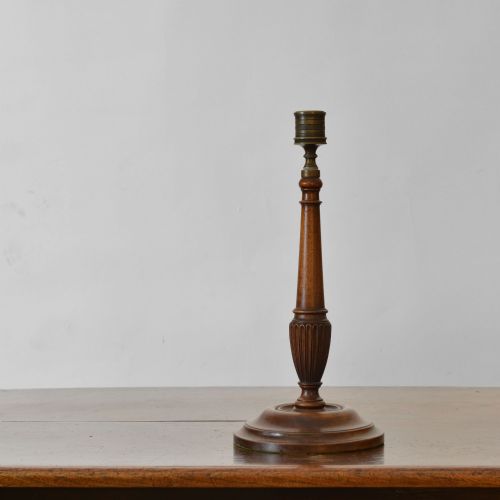
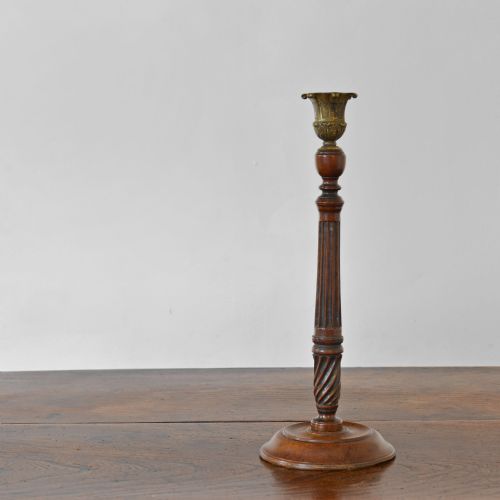
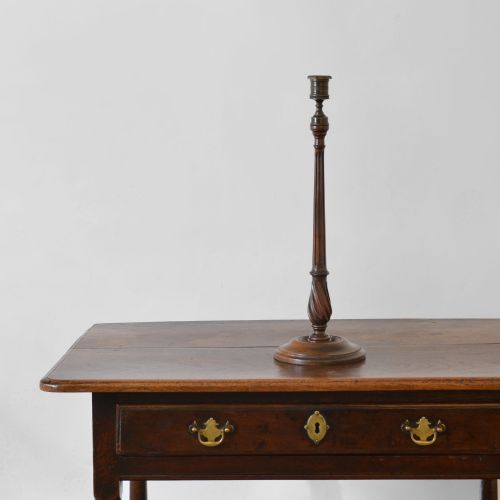
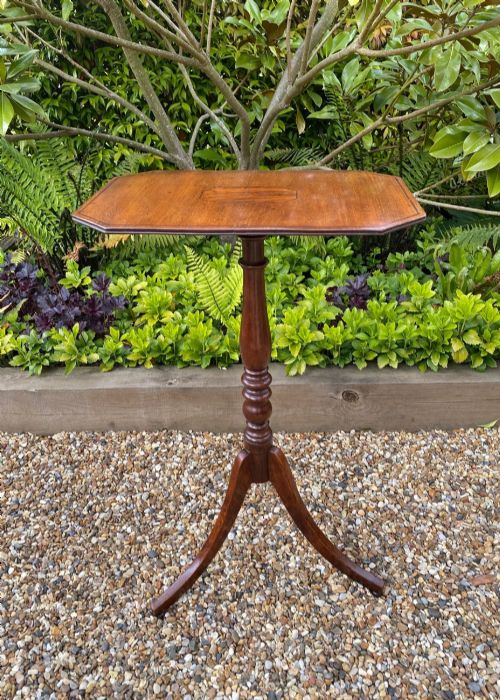
Georgian Turned Wood Stand
A georgian turned wood stand brings compact utility and traditional craftsmanship to any room through centuries-old forms.
Georgian Turned Wood Stand
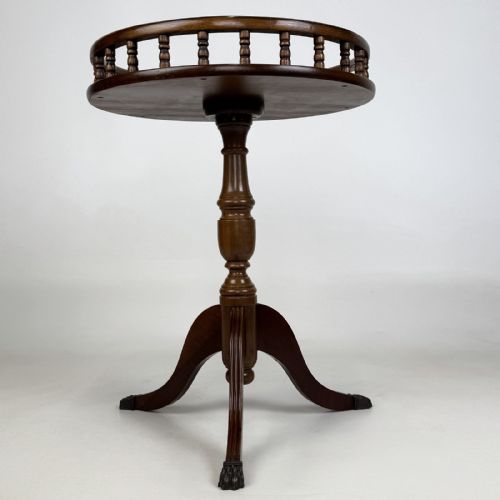
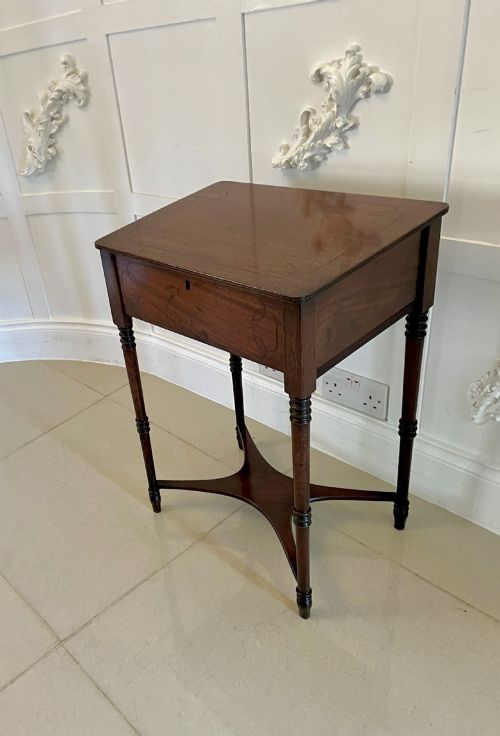
When searching for a georgian turned wood stand, buyers encounter a diverse selection of functional antique items including wine tables, candlesticks, washstands, and plant stands. The materials span mahogany, oak, rosewood, yew, and fruitwood, capturing centuries of domestic design from the Georgian and Regency periods.
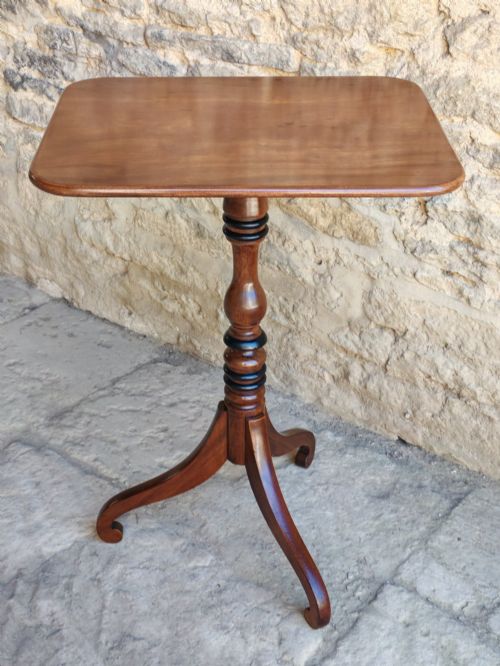
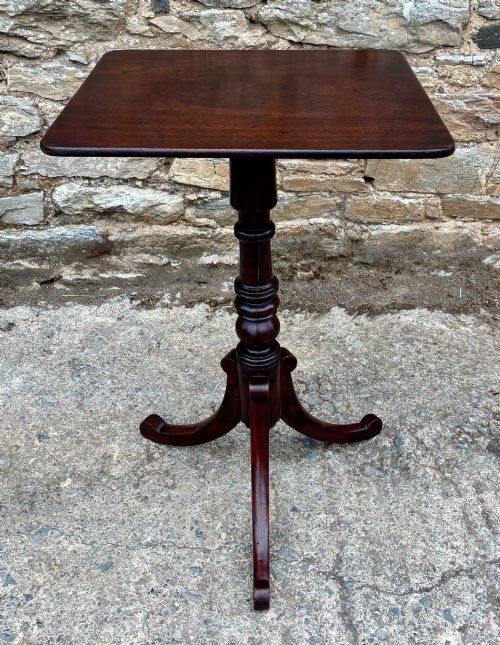
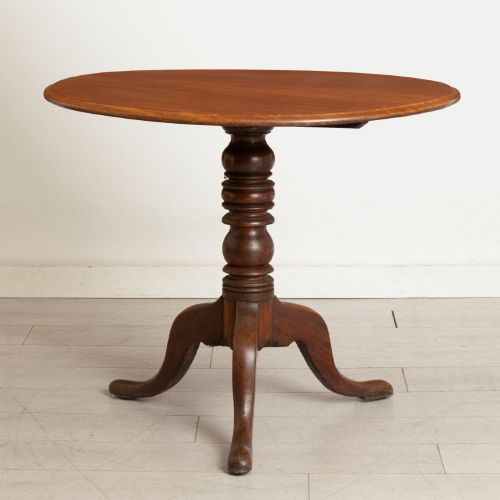
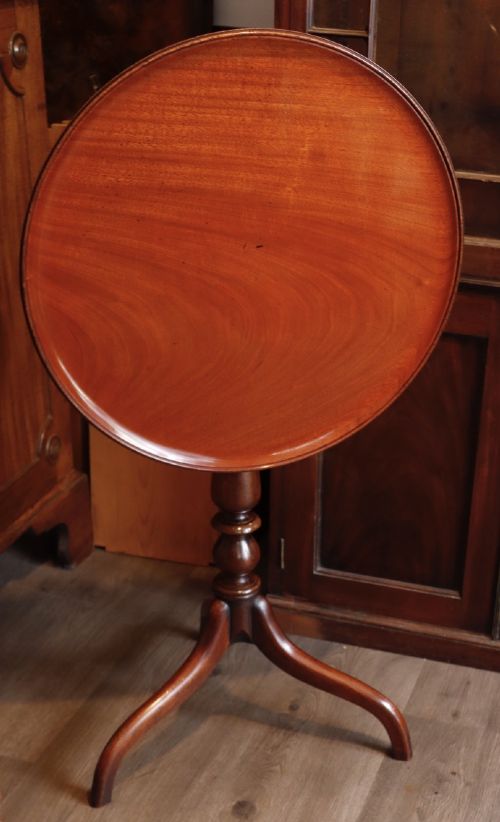
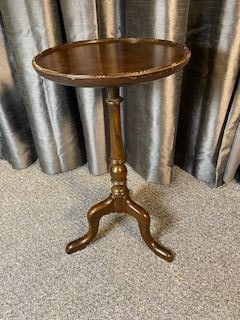
The most common forms on this page are small occasional tables and tripod stands, often featuring central turned columns supported by three legs. These pieces served specific domestic purposes in period homes, from holding a candle or glass of wine to supporting a wash basin or reading material.
Origins stretch across the 18th and 19th centuries, reflecting the evolving interior fashions of Georgian and Regency households. Buyers select these items for their architectural timber turnings and compact proportions that fit modern interior spaces.
Materials and construction methods
Cabinetmakers utilised dense timbers such as mahogany, oak, rosewood, and yew, often selecting wood with rich grain patterns to enhance the simple forms. Turning lathes shaped central pedestals and upright supports into smooth columns, balusters, and open twist patterns.
Joinery techniques relied on sturdy tripod base assemblies, tenon joints, and occasional tilt-top mechanisms that allowed tables to stow flat against walls when not in use. Secondary elements incorporated brass fittings and turned wooden components to secure moving parts.
Listings include mahogany, oak, rosewood, yew, and fruitwood across Georgian, Regency, and Victorian periods.
Evaluating the standard of execution
Quality rests in the precision of the turning work and the crispness of the timber mouldings, where sharper details indicate superior workshop practices. The selection of figured timber veneers and solid secondary woods distinguishes high-end examples from utilitarian items.
Structural integrity depends on the original fit of the legs into the central pillar and the smoothness of any tilt-top or rotating mechanisms. Proportion and balance dictate visual success, with finer pieces maintaining elegant lines across the tripod base and stem.
The Georgian Turned Wood Stand Glossary
- Tripod table
- A small freestanding table supported by a central pillar on three legs. These versatile tables appeared frequently in Georgian parlours for tea or candle lighting.
- Tilt-top
- A tabletop hinged to the pedestal so it can pivot vertically. This clever mechanism saved floor space in smaller period rooms.
- Canterbury
- A low wooden stand fitted with partitions for holding sheet music or books. Regency examples often feature delicate turned spindles and low drawers.
- Étagère
- A set of open shelves for displaying small decorative objects or books. These tiered stands emerged in fashionable homes during the late 18th and 19th centuries.
- Wine table
- A compact occasional table designed to hold glassware and decanters. They typically feature raised edges or dished tops to prevent items from sliding off.
Georgian Turned Wood Stand: Frequently Asked Questions
What is a wine table used for?
A wine table provided a convenient surface for holding glasses, bottles, and candles near seating areas in Georgian and Regency drawing rooms.
Their small top surfaces and stable tripod bases made them easy to move around the room as evening gatherings progressed.
How do I identify a tilt-top table?
Look beneath the tabletop for a wooden catch or block mechanism that releases the pivot allowing the top to stand vertically.
This functional feature allowed owners to push the furniture against walls when the room required clear floor space.
Where were washstands placed?
Washstands stood in bedrooms and dressing rooms to hold ceramic basins, ewers, and shaving accessories before modern plumbing arrived.
Enclosed cabinets and corner designs kept personal grooming equipment tidy and out of sight.
Are these stands suitable for daily use?
Their sturdy timber construction and practical proportions make them well suited for placing drinks, lamps, or small plants in modern living spaces.
Placing them away from direct heat sources and harsh sunlight helps preserve the historic wood finishes.