






Georgian Trivet
These georgian trivet pieces are sturdy hearth and table accessories designed to keep kettles and dishes warm, bringing genuine period utility to your room.
Georgian Trivet
When you search for georgian trivet, you find a selection of hearth accessories, footmen, and teapot stands designed for the domestic interior. The examples on this page span the Georgian and Regency periods, alongside later nineteenth-century interpretations.
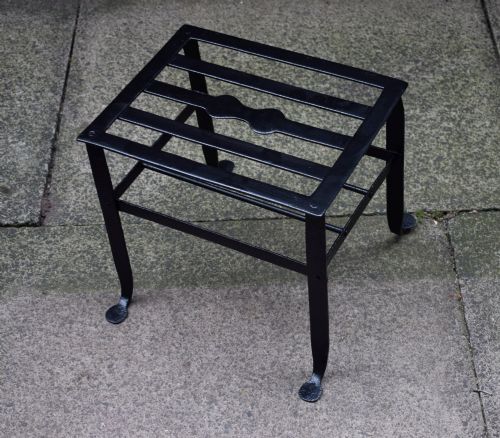
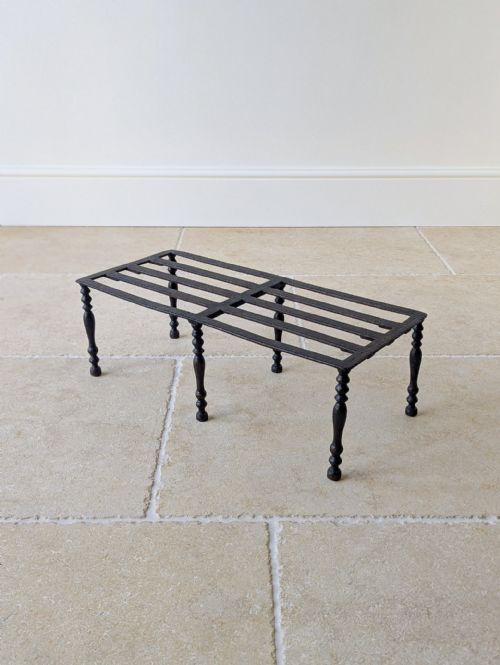
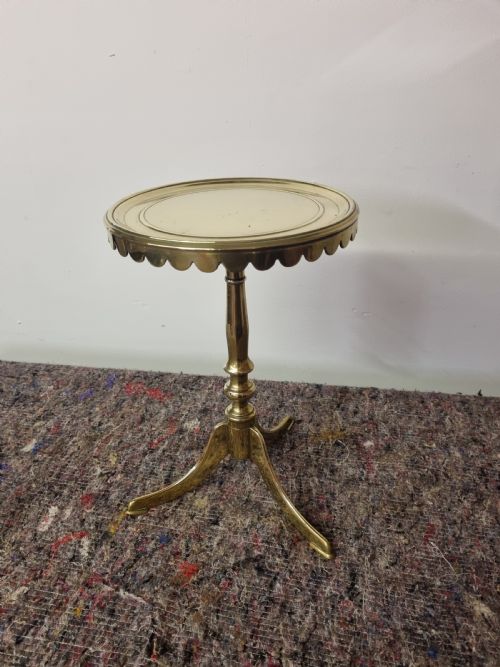
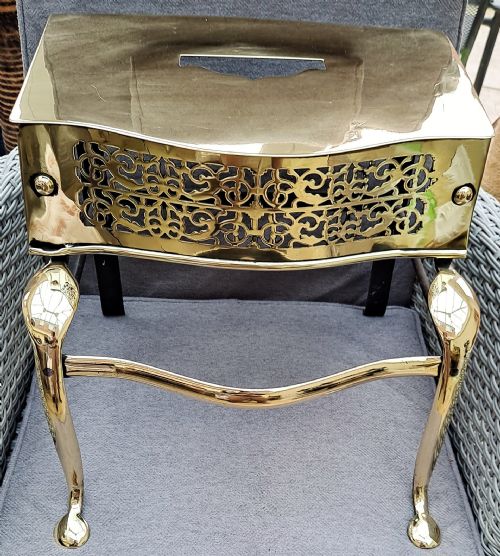
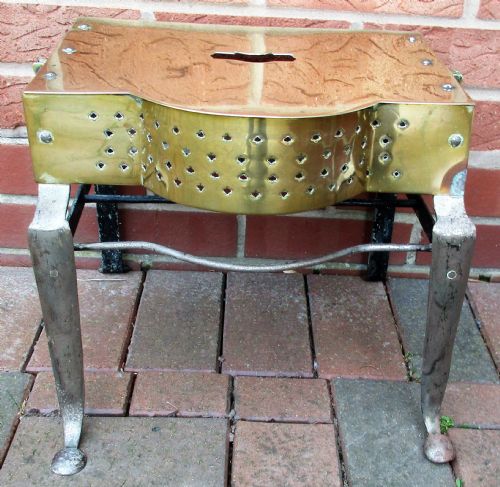
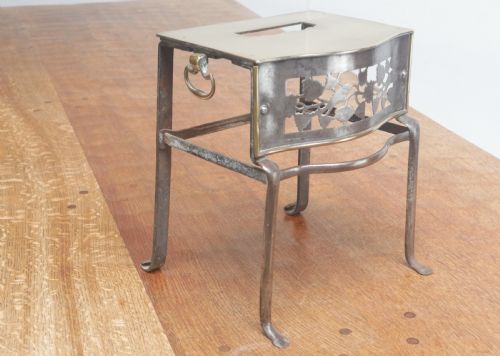
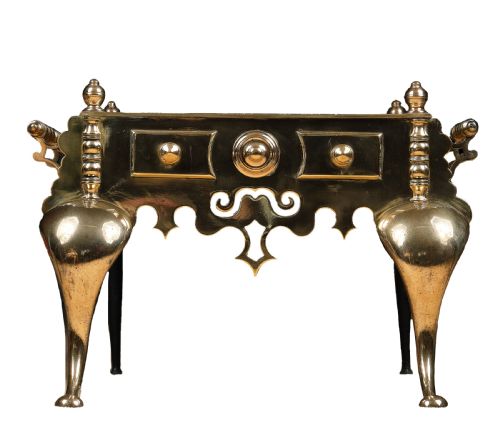
The assortment includes inglenook fireplace warmers and hearth furniture displaying distinct regional characteristics, such as Welsh brass footmen and country-house wrought iron pieces. Each form reflects the specific demands of nineteenth-century and eighteenth-century domestic life.
How they were made
Makers utilised cast brass, wrought iron, and polished steel to build durable footmen that could withstand intense fireplace heat. Brass tops were frequently paired with sturdy iron or steel legs to ensure stability on uneven hearth stones.
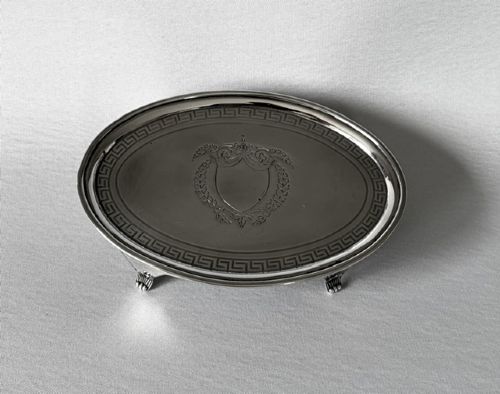
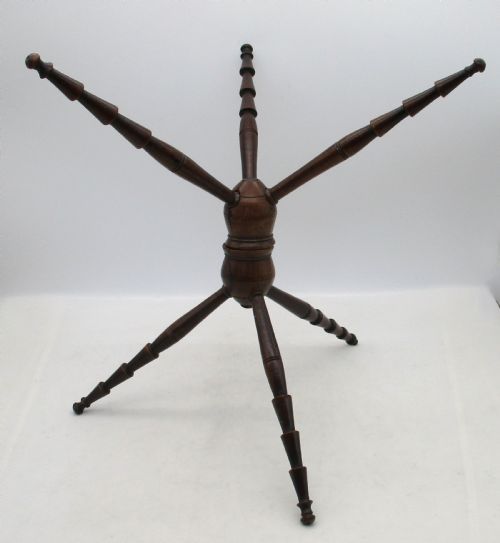
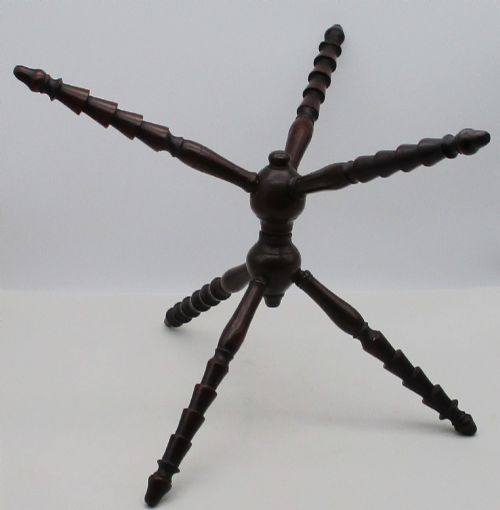
Wooden items employ dense timbers like mahogany and other hardwoods, often shaped with rotating mechanisms or cabriole legs. Sterling silver teapot stands required precise silversmithing techniques, resulting in refined display pieces for the tea table.
Georgian Trivet Retail Price Guide 2026
Typical asking prices for georgian trivet among the pieces listed under this phrase on Sellingantiques today, from the lower quarter to the upper quarter. They describe what is for sale here now, not the wider market.
Rotating fire cats let eighteenth-century diners spin their plates without leaving their seats.
What varies in quality
The distinction between standard domestic items and superior examples lies in the weight of the metal and the crispness of the casting. Heavy brass plates and cleanly forged steel components indicate careful workshop production rather than hurried output.
Refinement in secondary details, such as pierced aprons on footmen or the smooth rotation of a mahogany fire cat, separates utilitarian items from more ambitious furnishings.
The Georgian Trivet Glossary
- Footman
- A metal stand with four legs placed in front of a fireplace to support kettles or dishes. These pieces were essential hearth accessories in Georgian and Regency homes.
- Fire cat
- A rotating wooden or metal stand used beside the hearth to hold plates or warming vessels. They often feature pivoting tops for convenience.
- Teapot stand
- A small resting plate, frequently rendered in sterling silver, designed to protect table surfaces from hot teapots. They belong to the broader category of tea-related furnishings.
- Inglenook
- A large recessed fireplace space where heavy metal warmers and trivets sat close to the fire. This architectural feature defined the placement of larger hearth furniture.
- Cabriole leg
- A furniture leg that curves outward and then tapers inward, seen on certain footman stools and stands from this era. This form borrows from classical furniture design.
Georgian Trivet: Frequently Asked Questions
What is a georgian trivet used for?
These items served as portable stands placed near the hearth to keep kettles, pots, and dishes warm during meals.
Smaller silver versions functioned on tables to support teapots and protect polished surfaces from heat.
How do I tell a footman from a trivet?
Footmen are generally larger four-legged metal stands designed specifically for the fireplace hearth.
Trivets and teapot stands tend to be more compact pieces intended for direct tabletop use or smaller hearth applications.
What materials are common on these pieces?
Brass and steel combinations dominate the metal hearth accessories, often paired with wrought iron frames.
Mahogany and hardwood appear in rotating fire cats, while sterling silver is reserved for refined teapot stands.
Where were these accessories placed?
Larger iron and brass footmen sat directly on the hearth stones inside or immediately adjacent to the fireplace.
Wooden fire cats stood beside the fireplace furniture to hold plates ready for service.