




Georgian Trivet Stand
A georgian trivet stand brings useful metal or timber hearth furniture into the room, built to hold kettles or plates beside the fire.
Georgian Trivet Stand
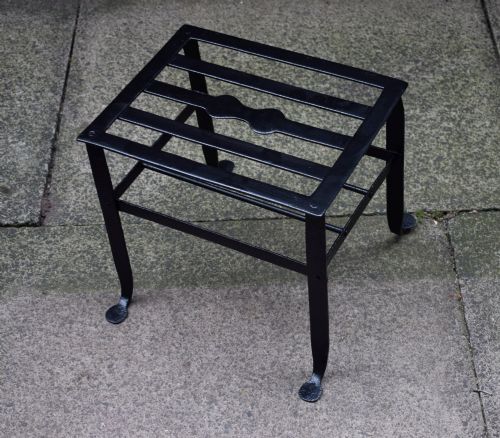
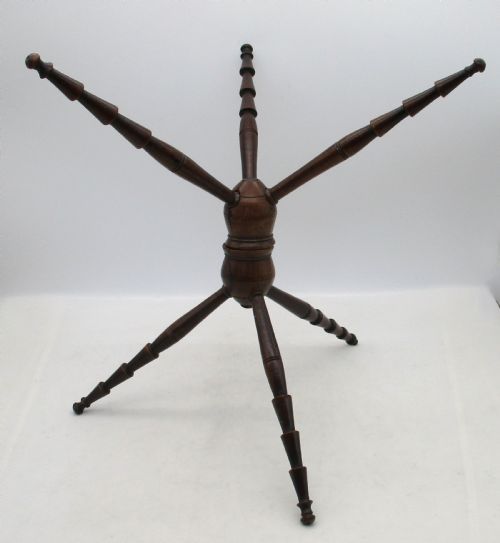
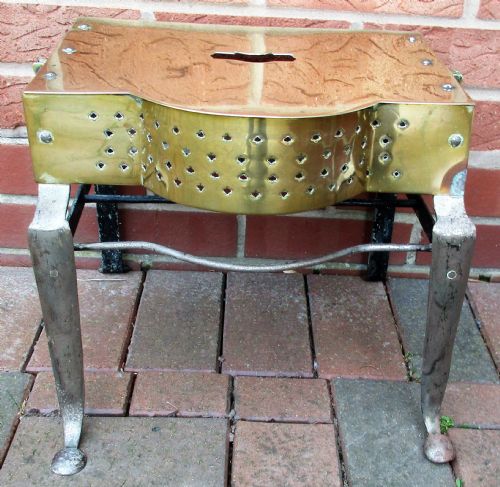
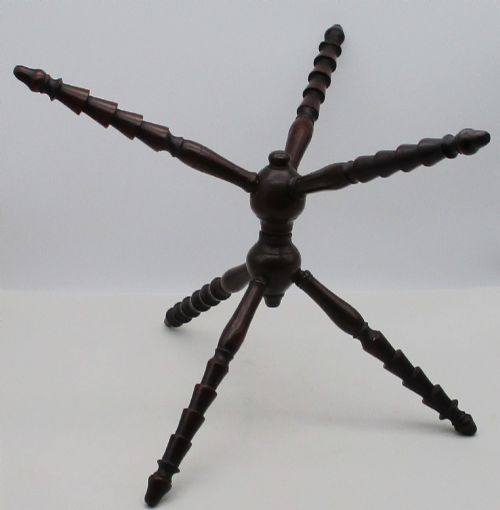
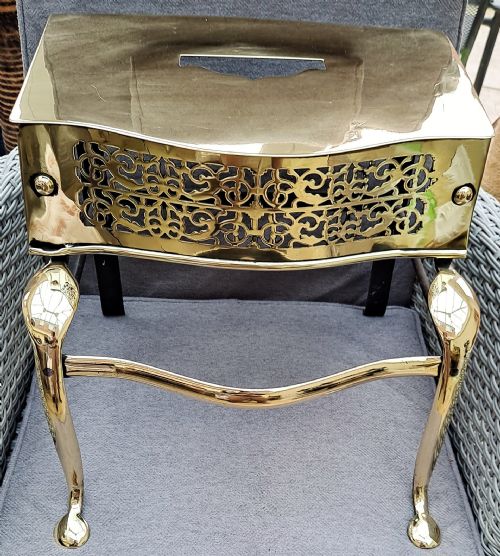
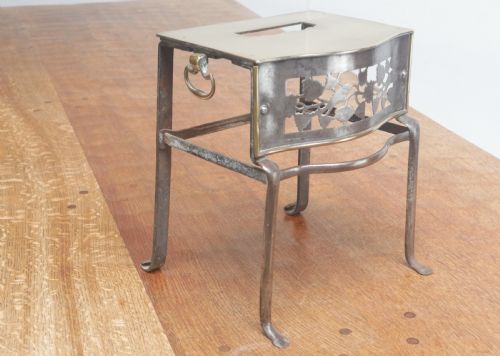
A georgian trivet stand encompasses utilitarian fireplace accessories and small stands designed for hearth use, including footmen, kettle supports and revolving fire cats. You will most frequently encounter brass and steel footmen alongside mahogany plate stands originating from the Georgian and Regency periods.
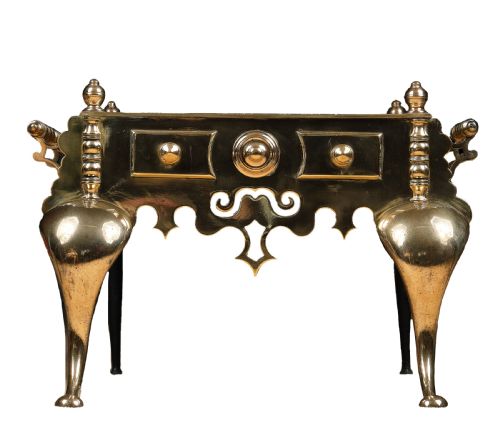
These items served practical domestic purposes in period homes, sitting directly by the grate to keep water warm or food heated. The forms range from heavy cast brass footmen with cabriole legs to rotating wooden cats and delicate silver teapot stands.
The selection on this page draws together hearthware spanning the eighteenth and nineteenth centuries, reflecting both country-house utility and refined parlour service. Each piece demonstrates the specific domestic requirements of British fireside life before central heating.
Materials and construction
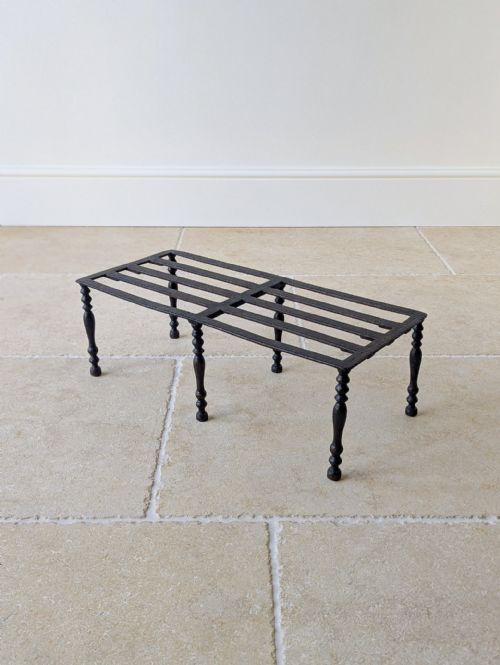
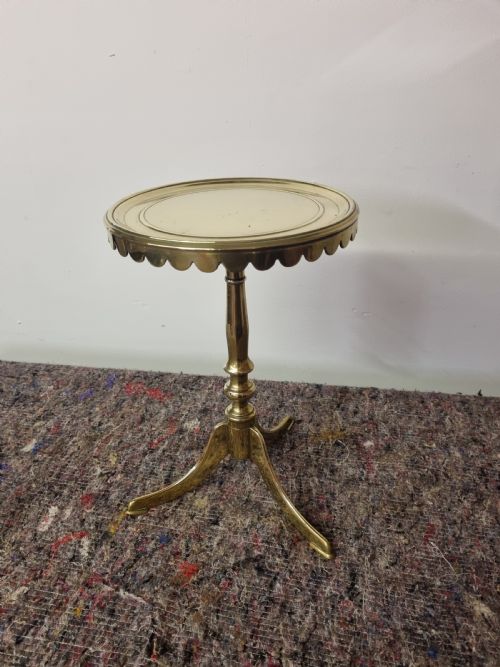
Metal versions rely on combinations of brass, iron and steel, utilising cast and wrought techniques to form sturdy stands that could withstand intense hearth heat. Brass provides the bright top plates and decorative aprons, whilst iron and steel supply the structural strength for the legs and frames.
Wooden examples turn to dense hardwoods like mahogany, shaped into revolving tops or plate stands designed to sit close to the warmth. The construction employs traditional joinery and turning to create pivoting mechanisms and stable supports.
Georgian Trivet Stand Retail Price Guide 2026
Typical asking prices for georgian trivet stand among the pieces listed under this phrase on Sellingantiques today, from the lower quarter to the upper quarter. They describe what is for sale here now, not the wider market.
Listings feature materials spanning brass, wrought iron, steel, mahogany, and sterling silver across Georgian, Regency, and Victorian periods.
Quality and execution
Quality reveals itself in the weight of the metal, the crispness of the casting, and the integrity of the joinery rather than surface polish alone. Finer brass footmen feature substantial gauge metal, well-defined cabriole legs, and securely attached handles.
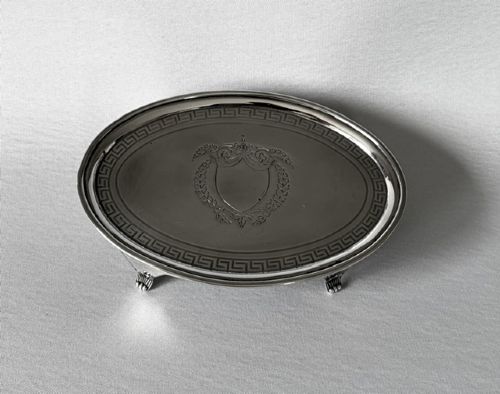
Material choice marks the division between standard utility pieces and finer parlour items, with sterling silver teapot stands representing the upper tier of domestic luxury. The sophistication of the mechanism on a rotating fire cat also separates ordinary items from superior examples.
The Georgian Trivet Stand Glossary
- Footman
- A metal stand placed in front of a fireplace to keep dishes or kettles warm. These typically feature four legs and a flat top plate.
- Fire cat
- A rotating wooden or metal stand used beside the hearth to hold plates or kettles. The revolving top allows easy access to the items placed upon it.
- Hearthware
- Utilitarian metal or wooden objects designed specifically for use around the domestic fireplace. This category includes trivets, footmen and stands.
- Cabriole leg
- A curved furniture leg that swells outward at the knee and tapers inward to the foot. This shape appears on several brass footman stands.
- Trivet
- A small support with feet used to elevate cooking vessels or teapots above a heat source. In this context, it refers to both hearth and tabletop versions.
Georgian Trivet Stand: Frequently Asked Questions
What is a georgian trivet stand used for?
These stands served practical functions near the fireplace, holding kettles, hot water plates, and serving dishes close to the coals. They kept food warm and water ready for tea in rooms with open fires.
In finer rooms, smaller silver or mahogany stands performed similar duties for teapots on tables rather than hearths.
How do I tell a footman from a trivet?
A footman is generally a larger, four-legged metal stand designed to sit directly on the hearth floor in front of the grate. Trivets are often smaller and may hook onto the bars of a fireplace grate.
Footmen frequently include pierced brass aprons and carrying handles for moving them away from the direct flames.
How do I date a brass footman?
Dating relies on construction methods, metal thickness, leg style, and overall design characteristics. Earlier pieces from the Georgian period often display heavy cast brass and hand-wrought iron components.
Later nineteenth-century versions may show more standardised manufacturing marks and simpler structural joints.
How do I clean an antique brass footman?
Cleaning requires careful removal of accumulated dust and soot using gentle methods that preserve the aged surface tone. Aggressive metal polishes can strip away the historical patina built up over generations.
Light dusting and occasional soft wiping keep the brass stable without removing the evidence of its age.