




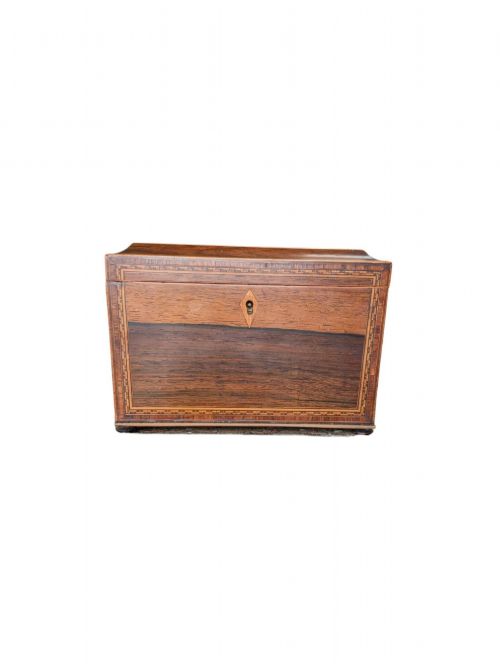
Georgian Trinket Chest
A georgian trinket chest brings compact utility and cabinetmaker skill into small domestic spaces, offering hidden drawers and fitted interiors for keepsakes.
Georgian Trinket Chest
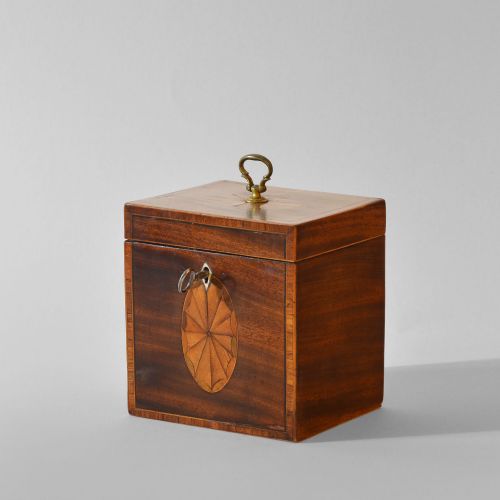
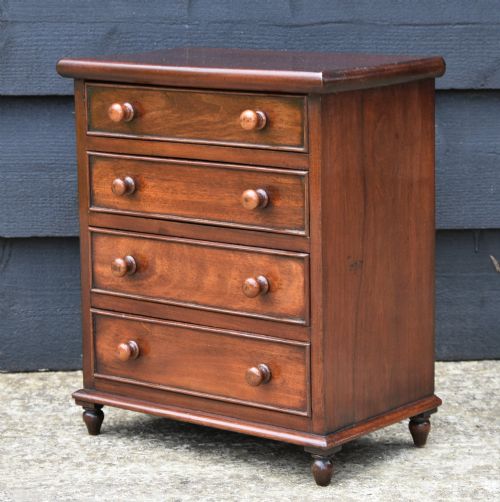
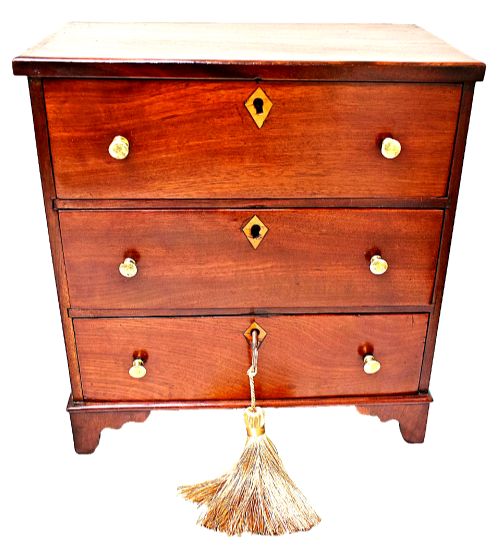
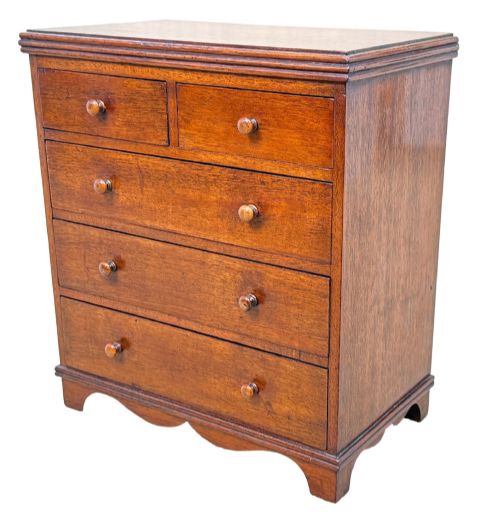
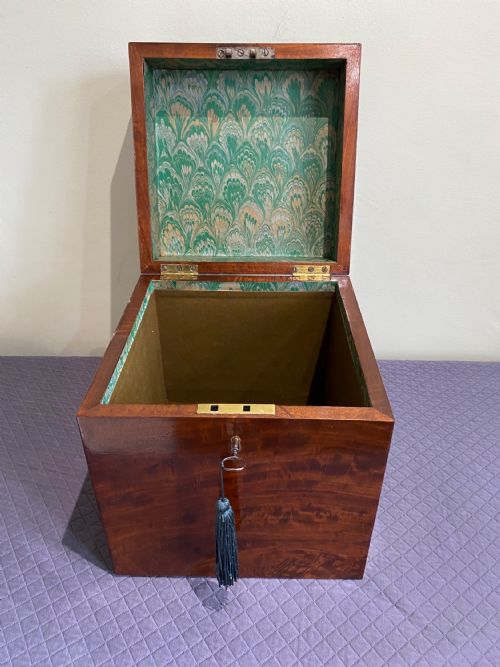
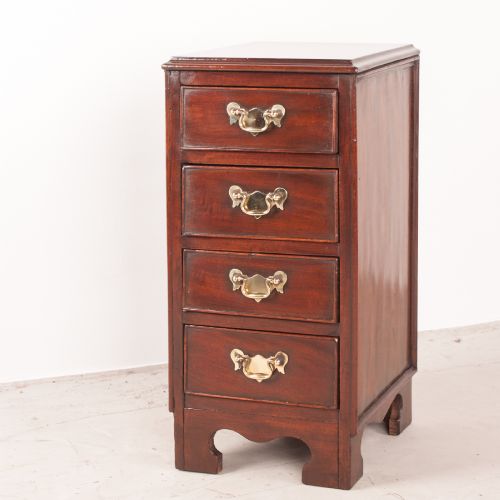
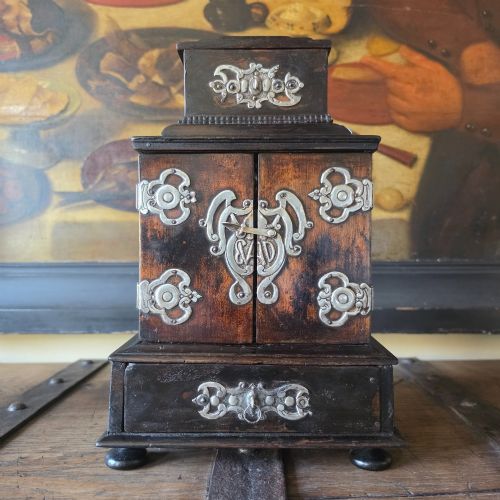
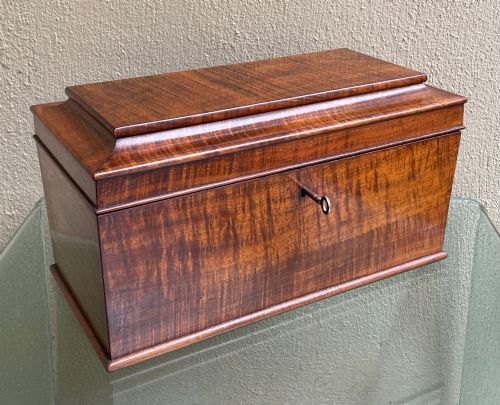
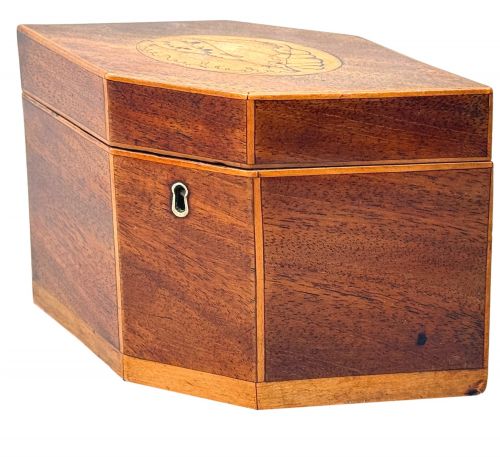
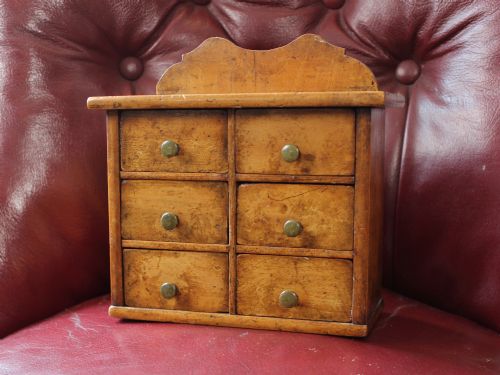
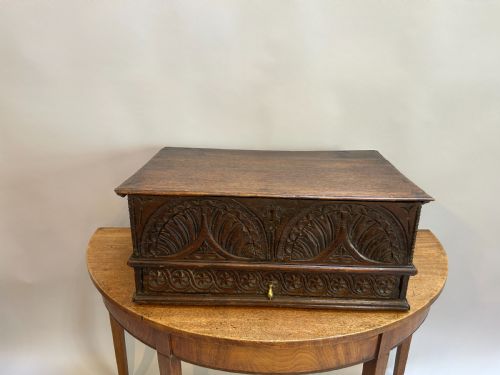
A georgian trinket chest encompasses small storage forms like miniature chests of drawers, apprentice pieces, tea caddies, and specialised boxes designed to hold valuables and personal effects. These pieces span periods from the eighteenth century into the nineteenth century, reflecting domestic storage needs across Georgian, Regency, and Victorian eras.
Materials and construction
Cabinetmakers utilised dense hardwoods such as mahogany, oak, and rosewood, often pairing them with contrasting timbers like boxwood and fruitwood for inlay and banding. Surfaces frequently display wood inlay, brass stringing, or bone details that highlight the precision of the construction.
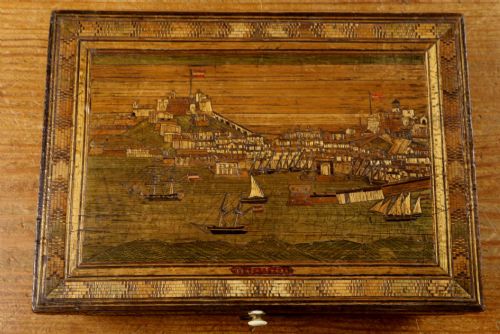
Joinery methods involved tight dovetail joints for small drawers and careful carcass construction to maintain structural integrity at a reduced scale. Specialised examples incorporate applied straw work, tortoiseshell veneer, or metal mounts to finish the exterior surfaces.
Georgian Trinket Chest Retail Price Guide 2026
Typical asking prices for georgian trinket chest among the pieces listed under this phrase on Sellingantiques today, from the lower quarter to the upper quarter. They describe what is for sale here now, not the wider market.
Listings feature eighteenth-century and nineteenth-century periods, utilising mahogany, oak, rosewood, and tortoise shell.
Separating top tier pieces from ordinary examples
Quality rests in the crispness of the timber selection, such as figured mahogany, burr yew, or burr walnut, and the finesse of any inlaid details. Superior items retain their original brass fittings, functioning locks with keys, and unblemished internal linings.
Construction precision defines the upper tier, visible in tightly fitted drawer sides, clean dovetailing, and the preservation of a natural surface patina developed over centuries of handling.
The Georgian Trinket Chest Glossary
- Apprentice piece
- A small item of furniture created by a craftsman to demonstrate skill and secure trade certification before entering a guild.
- Tea caddy
- A small storage box specifically constructed to hold and preserve dry tea leaves, often featuring internal lidded compartments.
- Boxwood
- A pale, dense wood commonly utilised for stringing and contrasting inlay work on dark cabinet surfaces.
- Dovetail
- A joint formed by interlocking wedge-shaped fingers, prized for strength in drawer and box construction.
- Patina
- The surface sheen and colour acquired by wood through age, handling, and regular polishing.
Georgian Trinket Chest: Frequently Asked Questions
What is a georgian trinket chest used for?
These small chests served domestic purposes such as housing jewellery, keeping tea leaves secure, or storing personal documents and trinkets. Their compartmentalised interiors kept valuable items organised and protected.
Today they function as desktop storage for small keepsakes while displaying period cabinetmaking in a compact footprint.
How do I tell a true period chest apart?
Examination of the timber, construction joints, and internal linings reveals the age and authenticity of a piece. Hand-cut dovetails and timber shrinkage indicate period manufacturing methods.
Hardware styles, secondary woods, and the presence of natural wear patterns further help confirm eighteenth or nineteenth-century origins.
What woods were used for these chests?
Cabinetmakers relied heavily on dense native and imported timbers, with mahogany and oak appearing frequently across the listed selection. Rosewood, walnut, fruitwood, and yew were also chosen for their grain patterns and colour.
Inlays and decorative accents often incorporated boxwood, bone, and mother of pearl to contrast against the primary wood.
Are apprentice pieces different from miniature chests?
Apprentice pieces represent test items made by trainees to prove their mastery of woodworking techniques to master craftsmen. Miniature chests served functional roles in domestic settings as scaled-down storage furniture.
Both categories share compact proportions and fine joinery, though their initial workshop purposes differed.