




Georgian Travel Trunk
A georgian travel trunk is a sturdy wooden container built for transit, offering rugged historic character and practical storage space for the modern home.
Georgian Travel Trunk
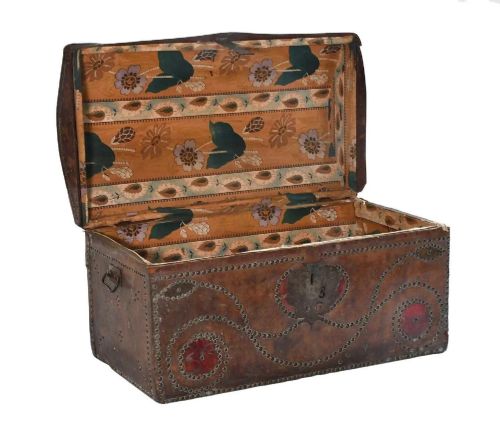
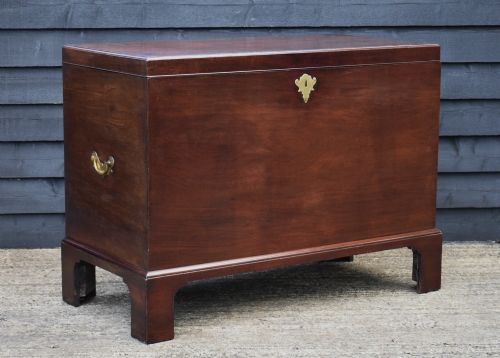
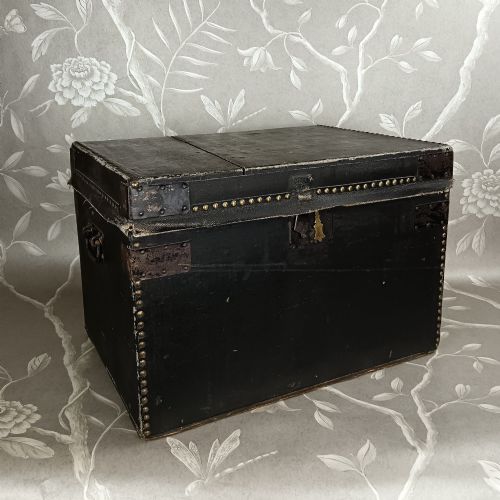
When you search for a georgian travel trunk, you encounter robust storage chests constructed for movement across land and sea. These pieces originate from the Georgian, Regency, and Victorian periods, reflecting the shifting demands of historic travel.
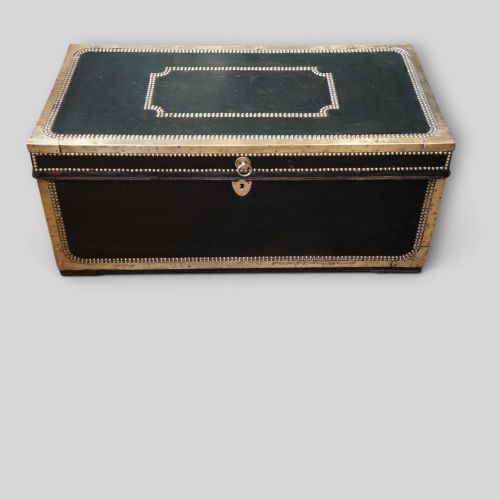
The versions most common in these listings are leather and hide-covered boxes bound with brass and iron. They range from compact dome-top chests to large mahogany military boxes designed to accompany officers and gentlemen on their journeys.
How they were made
Makers built these trunks using structural timbers like oak, elm, and mahogany as a solid foundation. Wood provided the necessary rigidity to protect contents during rough carriage rides.
Craftsmen then clad the timber exteriors in leather, hide, or pony skin, securing the edges with heavy brass bands, metal straps, and dense rows of studs. This combination of materials added water resistance and structural resilience.
Georgian Travel Trunk Retail Price Guide 2026
Typical asking prices for georgian travel trunk among the pieces listed under this phrase on Sellingantiques today, from the lower quarter to the upper quarter. They describe what is for sale here now, not the wider market.
Listings for a georgian travel trunk feature oak, mahogany, elm, brass, iron, leather, and pony skin across the eighteenth and nineteenth centuries.
What varies in quality
Quality rests primarily on the integrity of the original materials and the fidelity of surviving maker details. Pieces retaining original brass mounts, maker labels, and undisturbed leather surfaces command stronger interest from collectors.
Construction refinement also separates standard utility chests from elite military examples. Dovetailed joints, substantial hardware, and secondary woods like mahogany distinguish superior workshops from basic regional production.
Samuel Pratt·Wm. Insall of Bristol·Chapple & Sons·Seabrook of St.Pauls·Furnell & Bagnal
The Georgian Travel Trunk Glossary
- Campaign case
- A portable chest or trunk built for military officers on active service, featuring recessed handles and reinforced corners. These pieces are engineered for frequent dismantling and transport.
- Brass bound
- A method of reinforcing trunk edges and corners with strips of sheet brass fixed by pins or studs. This protected vulnerable wooden joins from the impacts of travel.
- Coaching trunk
- A low-profile storage chest specifically designed to fit on the roof or boot of a stagecoach. They typically feature domed or flat lids to shed rainwater during transit.
- Hide
- Untanned or heavy cattle skin used to cover wooden trunk bodies for durability. It provides a tough, textured exterior that weathered rough handling.
Georgian Travel Trunk: Frequently Asked Questions
What is a georgian travel trunk?
A georgian travel trunk is a heavy wooden chest covered in leather or hide, reinforced with brass or iron, and built for moving belongings during the eighteenth and nineteenth centuries.
These pieces were constructed by specialist trunk makers to endure the rigours of carriage, ship, and rail journeys before modern luggage existed.
How were these trunks used?
Travellers used these trunks to pack clothing, valuables, and personal effects when embarking on long journeys, military campaigns, or relocation.
In the home today, they serve as functional storage chests for blankets or books while acting as focal points in hallways or living rooms.
How do I identify a genuine period trunk?
Authentic period trunks show traditional construction methods such as hand-cut dovetails, forged iron fastenings, and genuine aged leather or hide surfaces.
Look for period-appropriate hardware, maker stamps, and honest wear that reflects decades of actual use rather than artificial distressing.
Are these trunks waterproof?
While the combination of timber, leather, and metal studding offered substantial weather resistance during historic coach journeys, they are not sealed against modern moisture.
Historic hides and textiles require dry indoor environments to prevent material degradation and to preserve the original structural timbers.