



18th Century Travel Coffer
An 18th century travel coffer offers robust utility and storied charm, built for the rigours of transit.
18th Century Travel Coffer
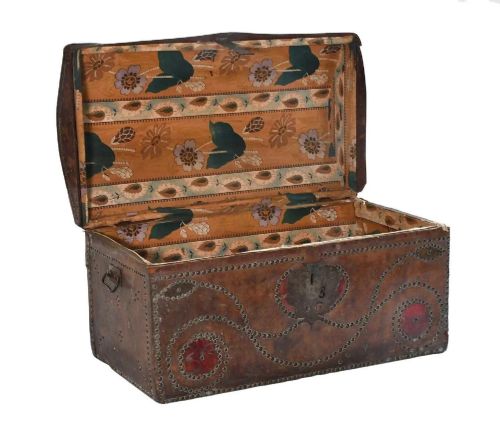
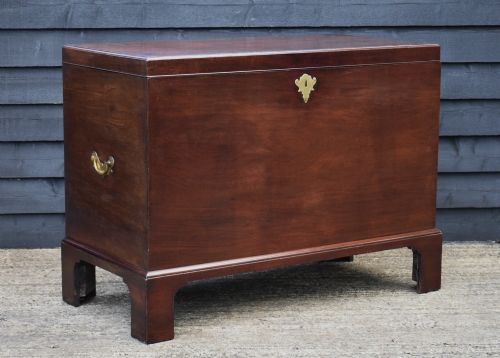
An 18th century travel coffer serves as a durable storage chest designed for journeys and secure transport. These pieces appear in forms such as storage trunks, dome top coffers, and military travelling chests.
The pieces on this page span several stylistic origins, including Georgian, 18th Century Dutch, 18th Century Country, Spanish Colonial, and Scandinavian Baroque. Oak, mahogany, and hide provide the primary structural forms.
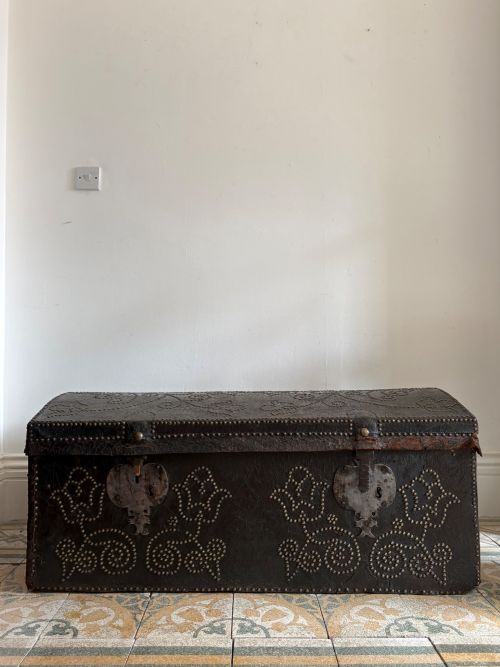
Buyers will most frequently encounter dome top trunks and leather-clad storage chests reflecting Georgian and 18th century craftsmanship. These objects bridge the gap between utilitarian transit gear and decorative domestic storage.
How they were made
Makers utilised solid timbers such as oak and mahogany to construct the core carcass of each trunk or coffer. These heavy woods ensured the contents survived the bumps and knocks of carriage travel.
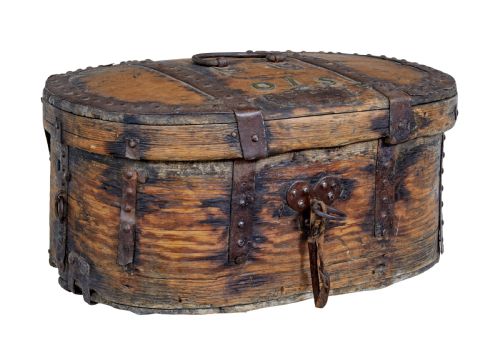
Outer surfaces were frequently covered in hide, leather, and secured with decorative brass or iron studs. Wrought iron bands and robust carry handles were integrated to reinforce the structure for shipping and military campaigns.
18th Century Travel Coffer Retail Price Guide 2026
Typical asking prices for 18th century travel coffer among the pieces listed under this phrase on Sellingantiques today, from the lower quarter to the upper quarter. They describe what is for sale here now, not the wider market.
Many a weary traveller relied on these studded leather trunks to keep their Sunday best safe from the British rain.
What varies in quality
The refinement of the timber and the complexity of the exterior decoration distinguish the finer examples. Simple hide trunks contrast with sophisticated mahogany military chests outfitted with brass accents.
The integrity of the original hardware, such as wrought iron bindings and carry handles, dictates the authenticity and original intended grade of the piece. Superior construction ensures the lid and sides remain true despite centuries of use.
The 18th Century Travel Coffer Glossary
- Dome top
- A rounded lid profile designed to shed water during travel. This shape maximises internal storage capacity.
- Military chest
- A partitioned travel box made for officers on campaign. These often feature robust mahogany and brass carrying handles.
- Leather studded
- Surface decoration utilising small metal tines to pattern the hide exterior. It provides both visual detail and secures the leather lining.
- Wrought iron bound
- Reinforcement of trunk edges using hammered metal strips. This technique protected vulnerable corners from impact during shipping.
18th Century Travel Coffer: Frequently Asked Questions
What is an 18th century travel coffer?
An 18th century travel coffer is a heavy-duty storage chest built for moving belongings during transit. They were constructed to endure the rough conditions of carriage and shipping journeys.
These pieces utilise materials like oak, mahogany, iron, and hide. Their designs range from simple utilitarian boxes to ornate studded leather trunks.
How were these travel coffers used?
These chests served to transport clothing, valuables, and equipment for travellers, military officers, and merchants. Their sturdy build protected contents from weather and rough handling.
In modern settings, they function as decorative storage furniture in living spaces or hallways. Their robust nature allows them to hold household items while serving as a focal point.
What materials make up these chests?
Makers built the primary structures using hardwoods like oak and mahogany. Iron and brass provided essential reinforcement through hinges, bands, and corner plates.
Many examples are wrapped in leather or hide to further weather-proof the exterior. Metal studs are frequently driven into the hide for decorative and structural effect.