

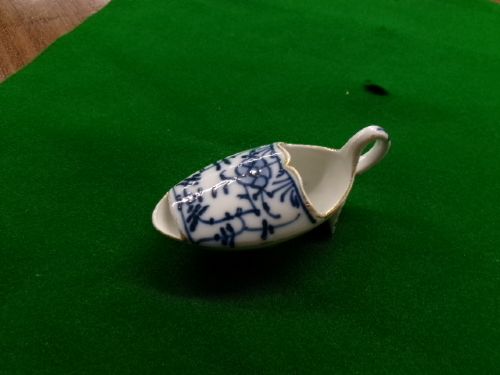

Georgian Transferware
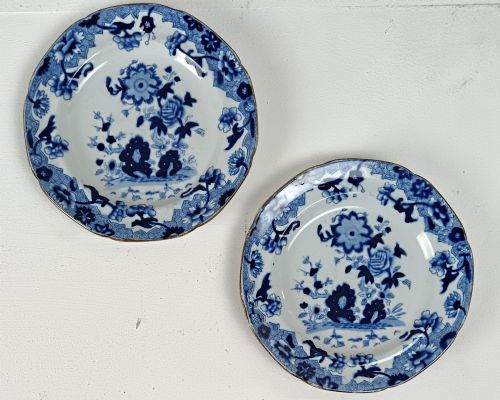
When you search for georgian transferware, you enter a world of blue and white earthenware plates, jugs, and platters printed from copper plates during the eighteenth and nineteenth centuries.
Georgian Transferware
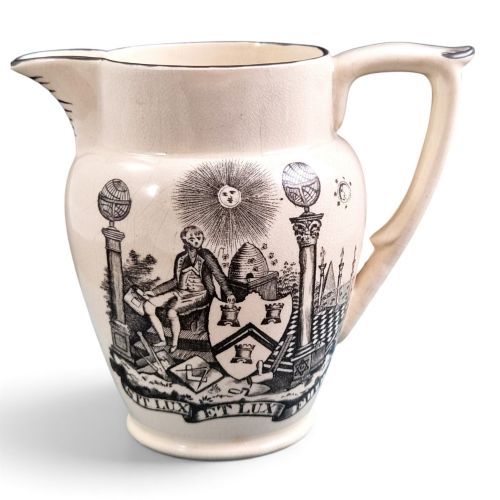
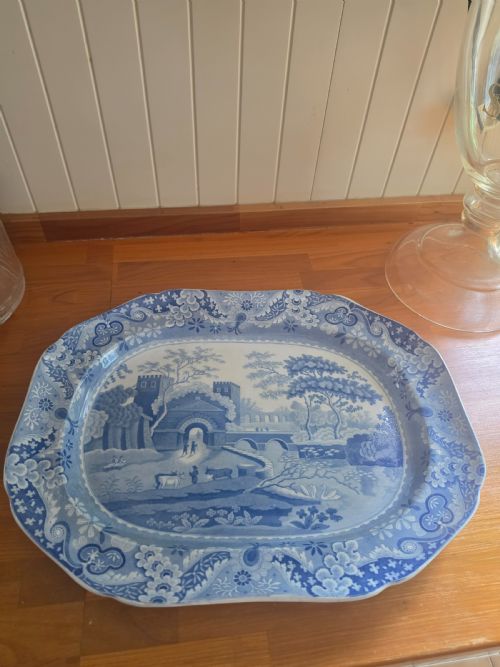
When you search for georgian transferware, you encounter domestic ceramics decorated by applying inked paper impressions onto fired clay bodies. These items span plates, serving platters, tureens, jugs, and bowls produced across the eighteenth and nineteenth centuries.
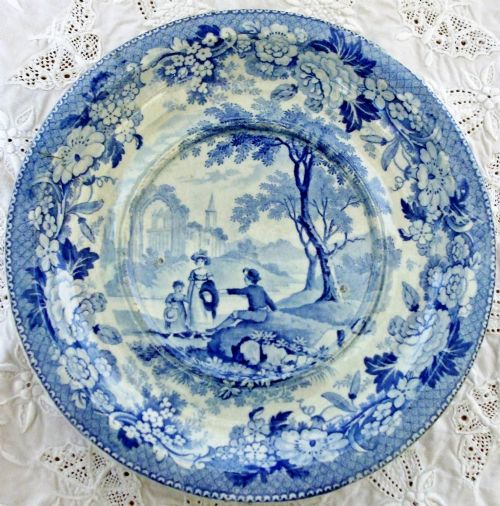
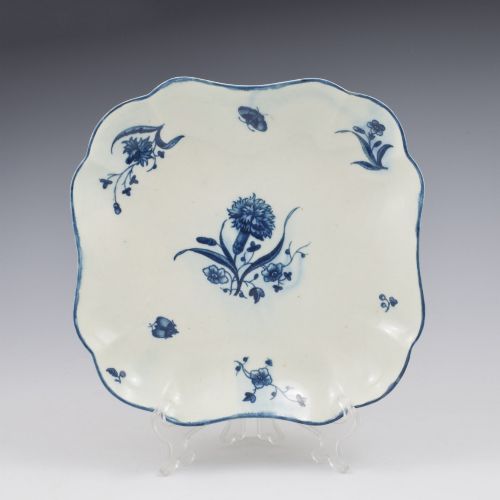
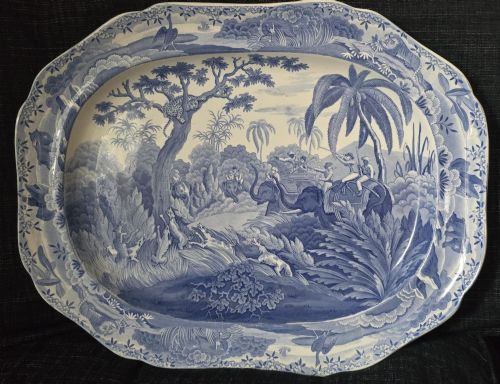
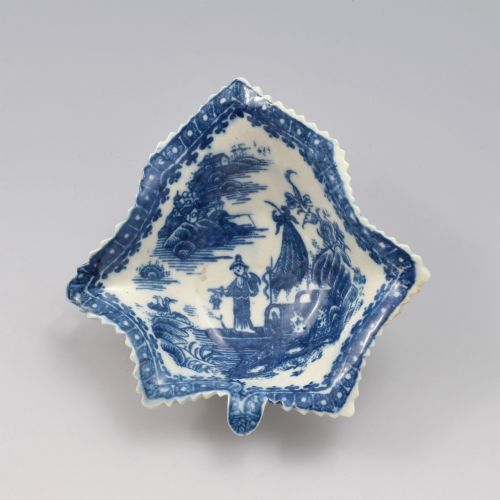
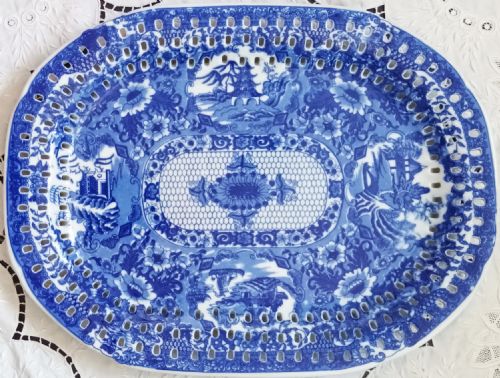
The version you are most likely to meet on this page is blue and white earthenware from Staffordshire potteries, featuring scenic landscapes, architectural views, or botanical motifs. These tablewares served functional dining and display purposes in period households.
The selection ranges from early creamware and pearlware bodies to later ironstone and porcelain forms. Makers utilised copperplate engraving to transfer detailed imagery onto ceramics before glazing and firing.
How georgian transferware was made
Potters formed bodies from earthenware, creamware, pearlware, ironstone, or soft-paste porcelain, shaping them on wheels or in moulds into plates, jugs, and baskets. Artisans then engraved copper plates with intricate pictorial designs such as river scenes, castles, and botanical patterns.
Printers applied coloured metallic oxides, predominantly blue, onto the engraved copper plate, pulled an impression on tissue paper, and transferred the wet ink onto the bisque ceramic surface. After the paper was washed away, the piece received a transparent glaze and entered the kiln for a high-temperature firing.
Georgian Transferware Retail Price Guide 2026
Typical asking prices for georgian transferware among the pieces listed under this phrase on Sellingantiques today, from the lower quarter to the upper quarter. They describe what is for sale here now, not the wider market.
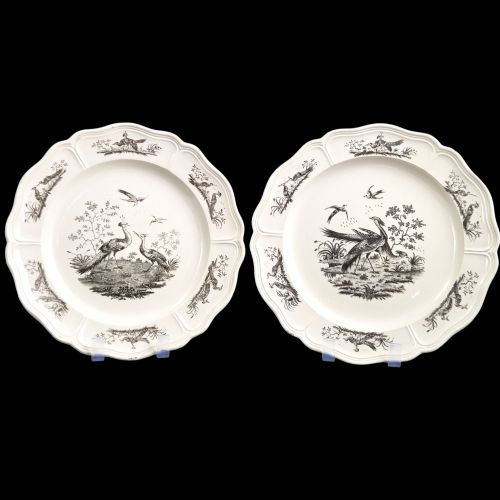
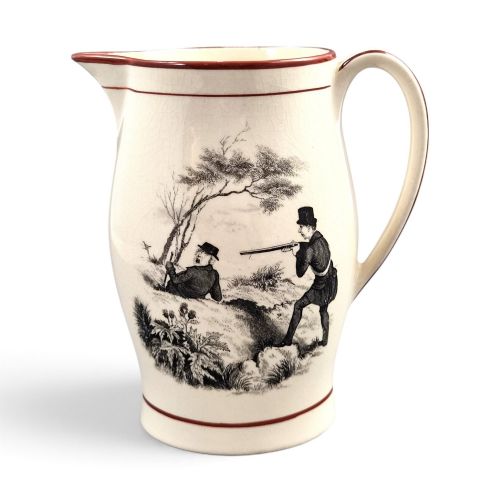
A leaping leopard and a tumbling bear join the usual sheep and shepherds across these printed eighteenth-century landscapes.
What varies in quality in georgian transferware
Quality rests on the crispness of the copperplate impression and the depth of the glaze. Finer examples display sharp, unblemished outlines in scenes like castles or figures, whereas lesser pieces suffer from smudged or blurred transfers.
The refinement of the underlying ceramic body also determines standard, with smooth pearlware and delicate porcelain achieving greater elegance than heavier, coarse earthenware. Potter reputation and the complexity of reticulated or pierced basketwork further distinguish finer productions.
Spode·Leeds Pottery·Caughley Porcelain·Davenport·Minton·John Rogers and Son·J. and R. Clews·J. and R. Riley·Stubbs·Heathcote·Ridgway
The Georgian Transferware Glossary
- Transferware
- Pottery decorated by printing a design from an engraved copper plate onto paper and then transferring that ink onto the ceramic body. This technique allowed intricate pictorial scenes to be replicated consistently.
- Pearlware
- A refined earthenware developed in the late eighteenth century featuring a subtle bluish glaze that pooled in recesses to mimic Chinese export porcelain. It formed a common base for transfer-printed tablewares.
- Creamware
- A light-coloured refined earthenware perfected during the eighteenth century with a warm yellowish tone under a transparent lead glaze. Early transfer-printed plates and jugs frequently utilised this body.
- Reticulated
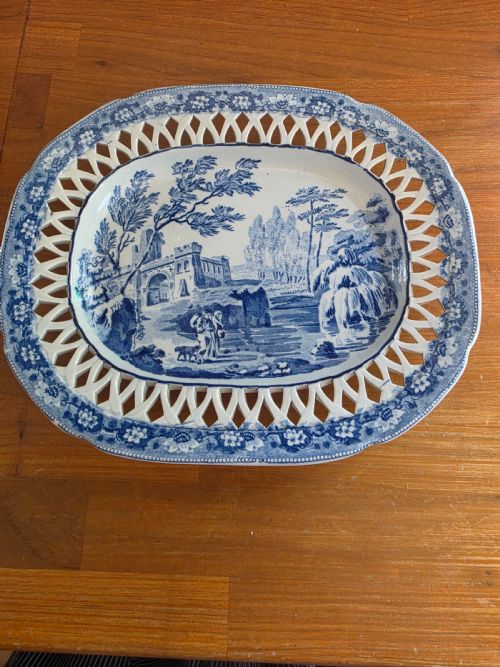
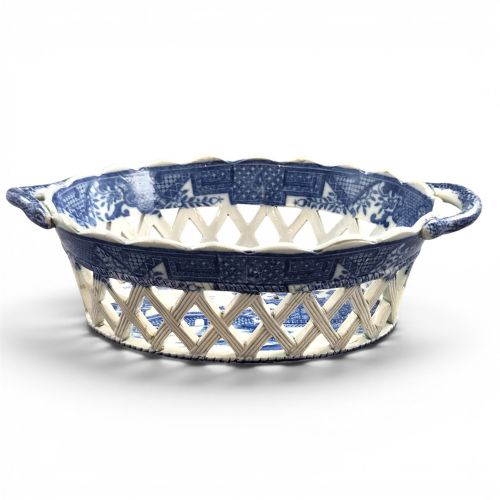
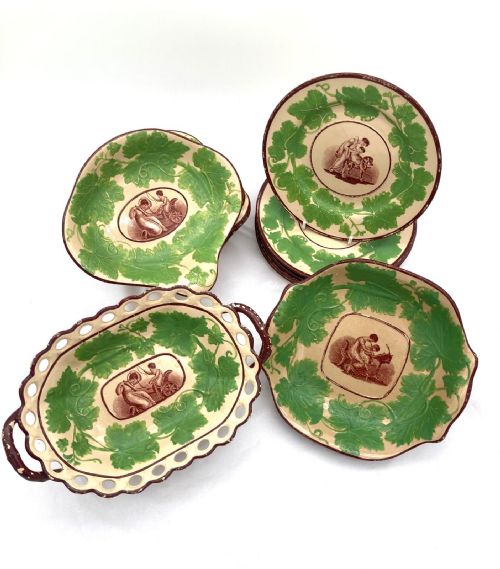
- Pierced or openwork ceramic craftsmanship seen in chestnut baskets and fruit drainers where geometric patterns were cut out of the wet clay before firing. This decorative technique added ventilation and visual lightness to serving vessels.
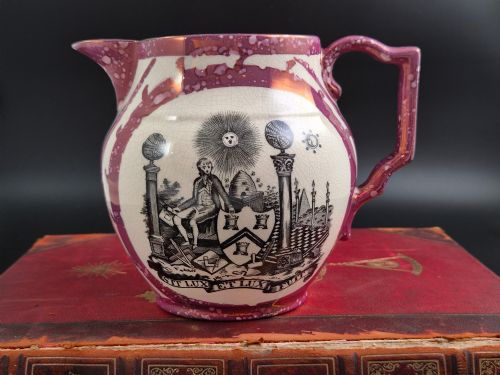
- Lustre
- A metallic glaze application that produced an iridescent sheen, often seen in pink or purple splash effects on nineteenth-century jugs and commemorative wares. It created a reflective surface finish.
Georgian Transferware: Frequently Asked Questions
What is georgian transferware?
It is ceramic tableware decorated by transferring inked pictorial engravings onto earthenware, pearlware, or porcelain bodies before glazing. These items include plates, platters, and jugs featuring printed landscapes and patterns.
Potters across Staffordshire and other English regions produced these wares during the eighteenth and nineteenth centuries for everyday dining and display.
How do I care for georgian transferware?
Wash these antique ceramics gently by hand in warm water using a mild detergent. Avoid dishwashers, harsh scrubbers, and soaking, as historic glazes and earthenware bodies remain sensitive to aggressive cleaning.
Store pieces securely on stable shelving or in cabinets, ensuring plates and shallow bowls are stacked with protective padding between them to prevent rim chipping.
How do I date georgian transferware?
Examine the ceramic body, glaze colour, and pattern style to determine the period of manufacture. Creamware and pearlware bodies typically point towards the eighteenth or early nineteenth century, while ironstone and certain blue and white hues suggest later nineteenth-century production.
Maker marks, impressed stamps, and named pattern titles printed on the underside also help pinpoint the specific pottery and active working years.
What were transferware baskets used for?
Reticulated chestnut baskets and fruit drainers served aristocratic and middle-class dining tables for presenting fresh fruit, chestnuts, or delicate desserts. The pierced walls provided airflow for stored foods while adding a decorative element to table settings.
These pierced vessels often came paired with matching underplates or stands to catch drips and frame the service.