

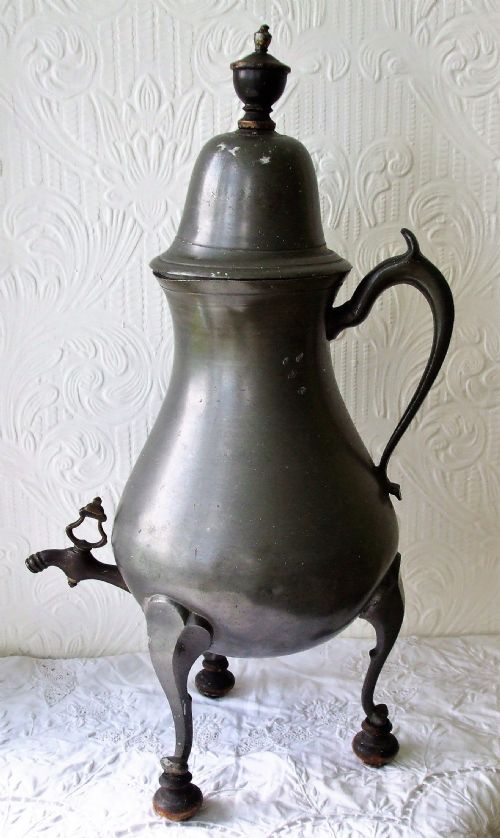


Georgian Tea Pot
A georgian tea pot brings tactile domestic history to a table, combining utilitarian purpose with period elegance.
Georgian Tea Pot
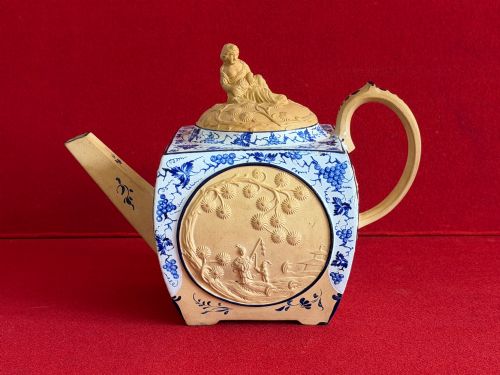
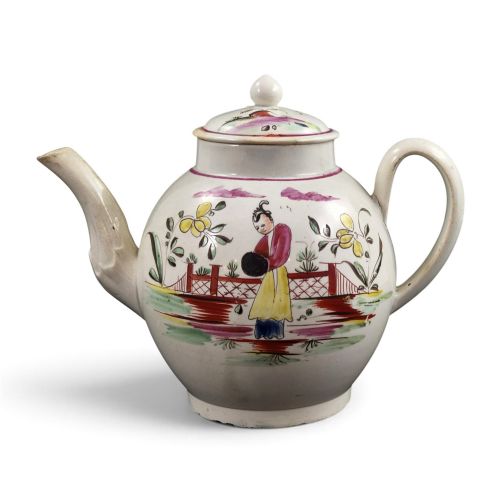
A buyer examining a georgian tea pot encounters vessels originating primarily from the eighteenth and nineteenth centuries, spanning George III, Regency, and William IV reigns.
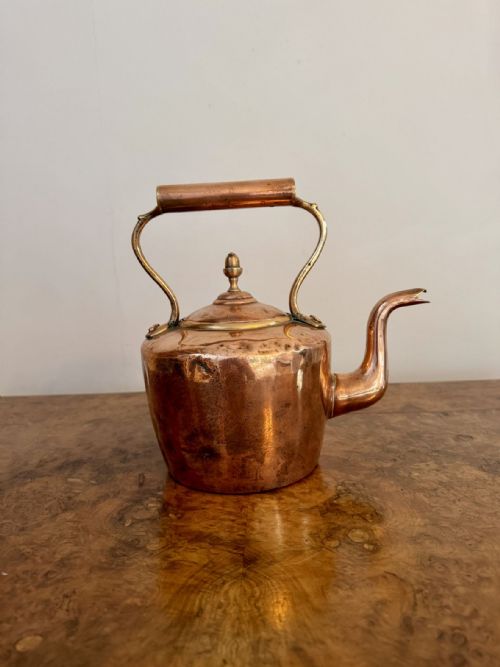
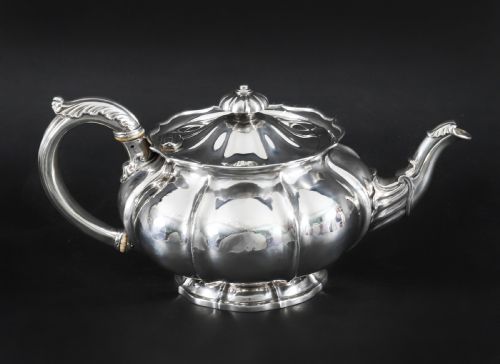
The selections include sterling silver service pieces, porcelain pots featuring Chinoiserie and floral patterns, earthenware, and heavy copper kitchen kettles.
Silver items frequently accompany matching stands, while ceramic examples range from creamware and ironstone to bone china and stoneware.
Materials and Techniques
Silversmiths constructed sterling vessels through hammering, casting, and soldering, applying chased or fluted ornamentation by hand.
Potters shaped porcelain, creamware, and ironstone on wheels or in moulds before applying hand-painted underglaze blue, enamel colours, and lead glazes.
Coppersmiths joined heavy sheets with visible rivets, pairing the red metal with brass handles, turned wood elements, and pewter components.
Listings feature copper and brass kettles alongside sterling silver pots, porcelain tea wares, and Old Sheffield Plate.
Craftsmanship and Distinction
Quality rests upon the crispness of chased detailing on silver bodies and the precision of hand-painted enamel decoration on porcelain.
Substantial gauge metal, firm handle insulation pins, and clear maker punches elevate a piece above standard utility items.
Paul Storr·Hester Bateman·Robert Hennell·Thomas Wolfe·John Bridge·Enoch Wood and Sons
The Georgian Tea Pot Glossary
- Sterling Silver
- An alloy comprising ninety-two point five percent silver, used extensively for high-status tea wares. It provides durability and a distinct lustre.
- Old Sheffield Plate
- A material created by fusing a thin sheet of silver to a copper base. This technique preceded modern electroplating.
- Chinoiserie
- A decorative style reflecting European artistic interpretations of Chinese motifs. It appears frequently on eighteenth-century porcelain vessels.
- Ironstone
- A heavy, durable type of earthenware patented in the nineteenth century. It resists chipping while accommodating colourful transfer-printed designs.
Georgian Tea Pot: Frequently Asked Questions
How do I date a silver tea pot?
Examine the stamped hallmarks located on the base or rim, which typically include town marks, duty marks, and date letters corresponding to specific assay office records.
Stylistic indicators such as a melon shape or acanthus leaf chasing also point toward particular decades within the period.
Can I use these tea pots daily?
Most antique ceramic and silver pots function adequately for serving hot water, provided they receive careful manual washing and thermal shock is avoided.
Copper kettles require internal inspection and tinning checks before any exposure to heat or potable water.
What is a tea pot stand?
A tea pot stand is a small matching tray, often raised on tiny feet, designed to protect wooden tabletops from heat and moisture.
These trays share the exact silver hallmarks, ceramic bodies, or plating styles of their corresponding vessels.
Why do some pots have wooden handles?
Pewter, silver, and metal pots incorporated wooden scroll handles or insulators made of ebony or mahogany to prevent heat transfer during pouring.
These organic elements complement the polished metal surfaces while offering a comfortable grip.