




Georgian Tea Accessory
A georgian tea accessory brings the ceremony of the table into daily use through silver, mahogany, and brass.
Georgian Tea Accessory
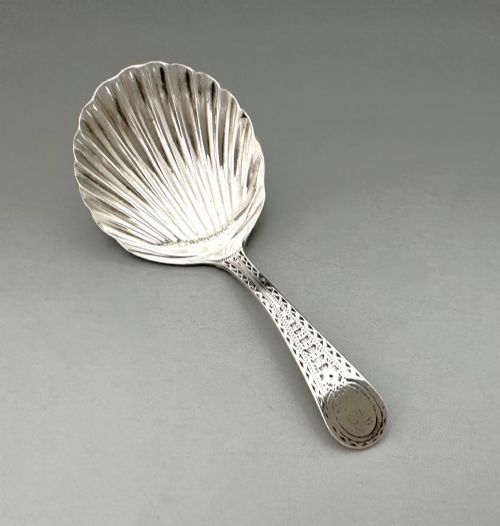
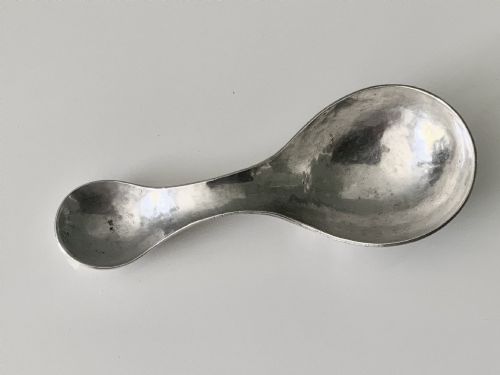
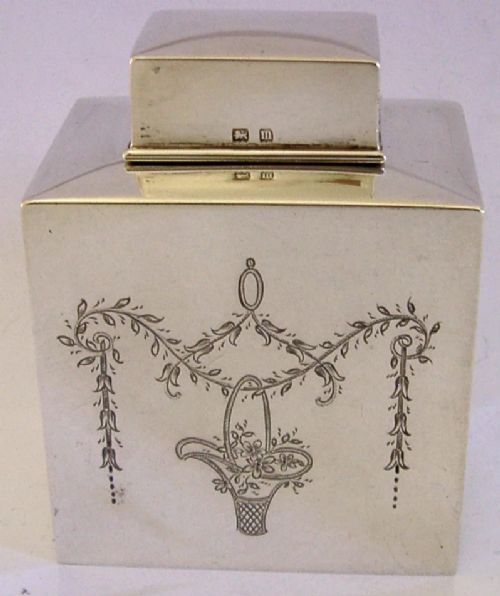
A georgian tea accessory encompasses small implements and containers designed for the preparation and service of tea, ranging from caddy spoons and mote spoons to sugar tongs, tea caddies, and cream jugs. These objects date primarily from the eighteenth and early nineteenth centuries, reflecting the high status of tea in households of the period.
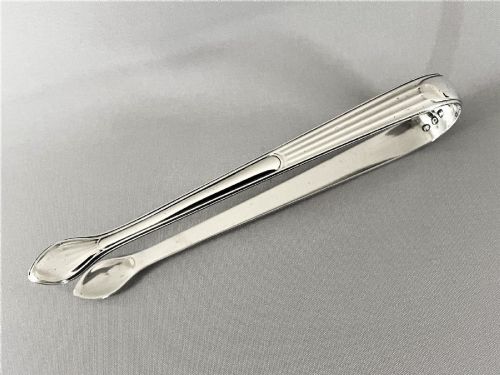
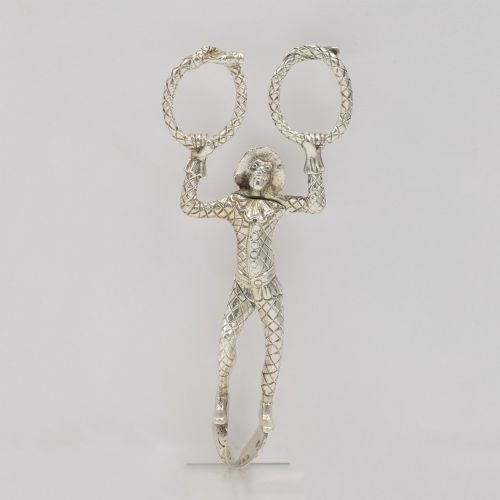
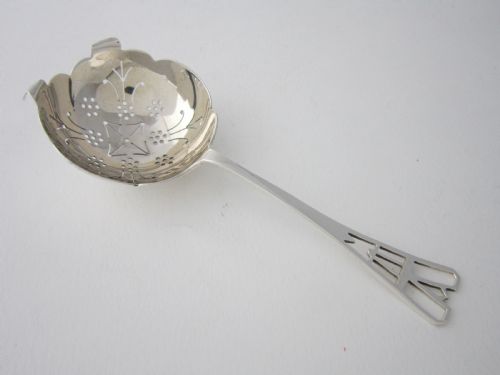
The versions most commonly met on this page include silver caddy spoons, sugar tongs, and cream jugs spanning the Georgian, George II, George III, and George IV periods. Alongside these smaller silver items, mahogany tea caddies and copper kettles appear, representing the wider furnishings of the tea table.
Pieces span various eras in terms of production, featuring authentic eighteenth-century examples alongside later nineteenth-century revivals and twentieth-century interpretations in the Georgian style.
Materials and Techniques
Silversmithing forms the basis of many pieces, utilising sterling silver, silver plate, and gold gilt fashioned through casting, piercing, and double-striking to create bowls, handles, and tongs. Makers employed techniques such as fancy back decoration on spoons and hinge construction for caddy boxes.
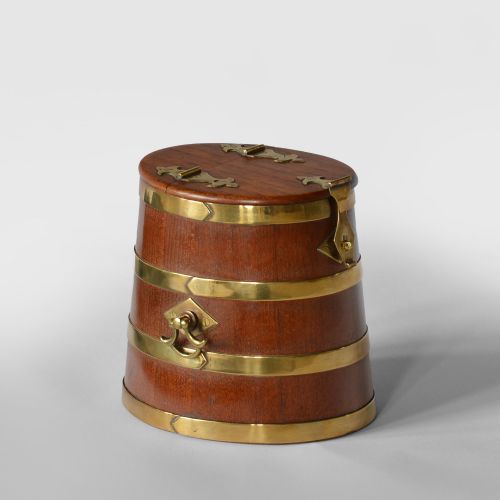
Cabinetmaking defines the wooden items, utilising mahogany combined with marquetry inlay and brass binding, as seen in coopered naval rum barrels and tea caddies. Copper and Sheffield plating provide durable alternatives for larger vessels like kettles, sugar bowls, and cream jugs.
Craftsmanship and Proportion
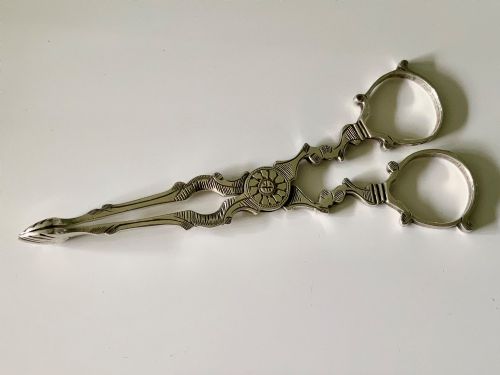
The distinction between tiers of quality rests upon the crispness of casting and engraving, particularly on mote spoons, caddy spoons, and sugar nips where detail defines the pattern. Superior examples display balanced proportions, clean hallmarks, and precise assembly of moving parts such as scissor hinges on tongs.
Material thickness and finishing also dictate standard, with heavier gauges of sterling silver and finely figured mahogany veneer marking out the superior productions of the period.
Zimmermann·Bateman Family·Dee and Fargus·Wallis·Thomas Tookey·Jeremiah Lee·P A W Bateman
The Georgian Tea Accessory Glossary
- Caddy spoon
- A short-handled spoon designed for measuring loose tea leaves from a caddy into a teapot. They often feature shallow bowls shaped like shells, leaves, or hands.
- Mote spoon
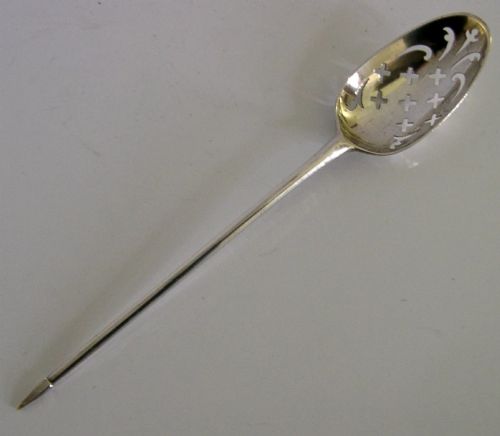
- A slender implement from the eighteenth century featuring a pierced bowl for skimming stray tea leaves from the cup and a pointed terminal for clearing the teapot spout.
- Sugar nips
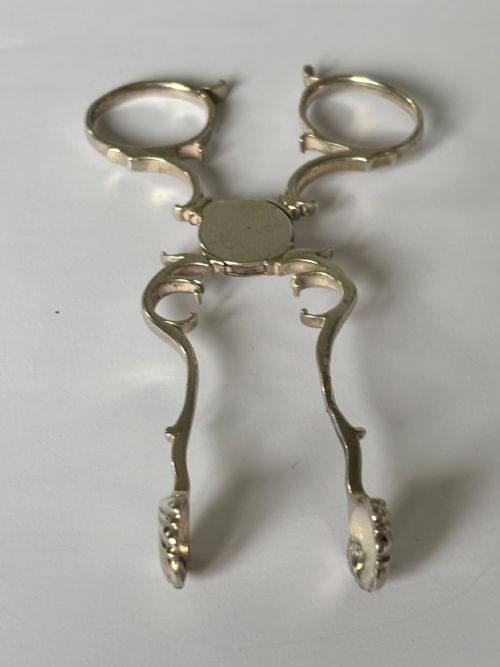
- Early spring-action utensils used for breaking or grasping lumps of sugar before sugar tongs became the standard form.
- Sheffield plated
- A method of fusing a thin sheet of sterling silver to a thicker copper base, creating tableware that offered the appearance of solid silver at a lower cost.
- Pearl ware
- A fine earthenware developed in the late eighteenth century, characterised by a bluish-white glaze that provided a clean background for underglaze blue printing.
Georgian Tea Accessory: Frequently Asked Questions
How were sugar tongs used?
Sugar tongs and nips were used to transfer sugar lumps from a bowl into the teacup during tea service.
Early versions employed spring action scissors, while later Regency and Georgian examples adopted flexible bowed metal stems with shaped terminals.
How do I identify a mote spoon?
A mote spoon is recognised by its long, slender stem terminating in a point, paired with a pierced bowl.
The point cleared blocked teapot spouts while the pierced bowl strained leaves from the brewed tea.
How do I care for silver tea items?
Silver tea accessories require gentle cleaning with a soft cloth to maintain their polish and preserve any engraved details or hallmarks.
Store them in dry conditions away from direct sunlight to prevent tarnishing.