



Georgian Tavern Measure
These georgian tavern measure examples are honest working vessels of pewter and copper, built to pour ale and spirits in bustling historic drinking houses.
Georgian Tavern Measure
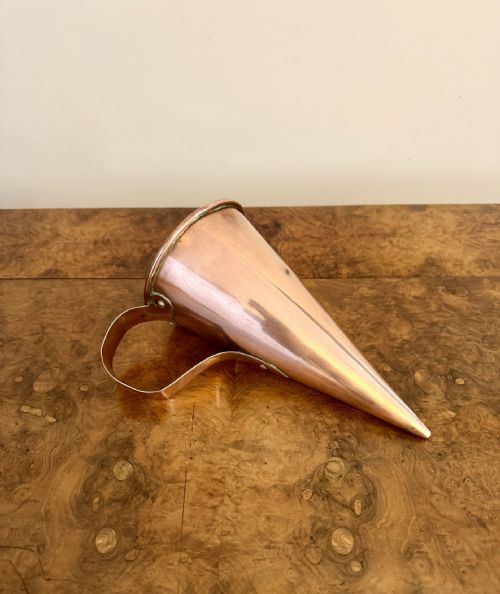
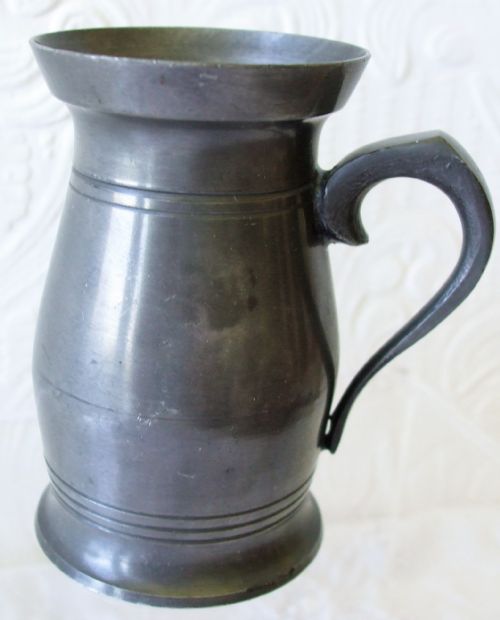
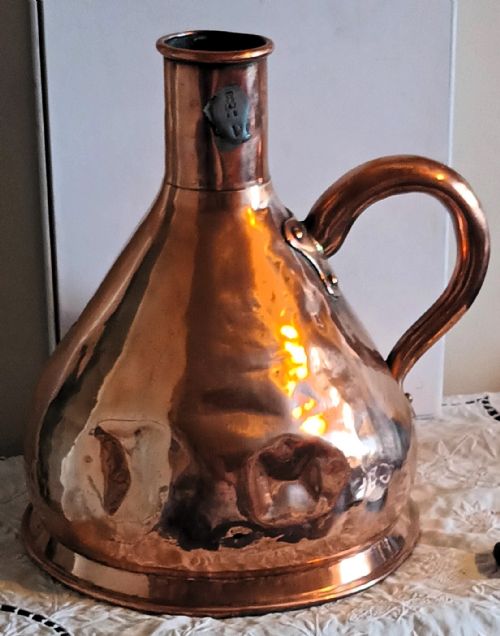
A georgian tavern measure is a utilitarian vessel designed for holding and dispensing liquid quantities in drinking establishments during the eighteenth and nineteenth centuries. Buyers browsing this page will encounter various forms, ranging from sturdy pewter flagons and tappit hens to graduated sets of copper measuring jugs.
The material origins span across English, Irish, Scottish, and Channel Islands workshops, reflecting regional standards of capacity. Most examples on offer date from the Georgian era through to the nineteenth century, capturing a period when precise service of ale and spirits mattered greatly.
Forms include single-pot capacities alongside substantial one-gallon jugs, showing how these objects served both behind the bar and at the table. Their construction prioritises durable metals capable of withstanding the daily wear of a busy eighteenth-century or nineteenth-century tavern.
How they were made
The construction relies heavily on durable metals, predominantly utilising pewter and copper shaped into robust liquid containers. Smiths and pewterers hammered, cast, and joined these materials to create vessels that could hold large volumes of liquid without leaking.
Pewter pieces often feature cast bodies with applied handles and thumbpieces, while copper measures typically display hand-beaten seams and reinforced rims. Makers stamped capacity marks and sometimes ownership crests directly into the metal surface using punches.
Georgian Tavern Measure Retail Price Guide 2026
Typical asking prices for georgian tavern measure among the pieces listed under this phrase on Sellingantiques today, from the lower quarter to the upper quarter. They describe what is for sale here now, not the wider market.
Current listings feature pieces spanning the eighteenth and nineteenth centuries, constructed from pewter, copper, and lead.
What varies in quality
Quality in a georgian tavern measure is found in the crispness of maker marks, touchmarks, and engraved crests that indicate official verification or original ownership. Weight and metal thickness also distinguish everyday utility pieces from those commissioned by prominent establishments or makers.
The preservation of original surface patination and the integrity of early repairs dictate the character of surviving examples. Graduated sets maintaining matching forms and consistent maker attribution carry distinct distinction compared to assembled groupings.
Loftus of Oxford Street London·John De St Croix
The Georgian Tavern Measure Glossary
- Pewter
- A malleable metal alloy consisting primarily of tin, combined with copper, antimony, or lead, widely used for domestic and tavern vessels. It develops a dull grey patina over centuries of handling and cleaning.
- Tappit Hen
- A traditional Scottish type of pewter drinking measure and jug featuring a lid with a weighted thumbpiece and a distinctive pot-bellied shape. These capacity vessels were commonly utilised for serving claret or ale.
- Gill Measure
- A small historical unit of liquid capacity equivalent to a quarter of a pint, often produced in portable sizes for spirits. These diminutive vessels saw heavy use in public houses for measuring individual servings.
- Channel Islands Georgian
- A regional style originating from islands such as Jersey, displaying distinct local manufacturing traits within the broader Georgian aesthetic. Pieces from this origin often bear specific maker touchmarks unique to island workshops.
- Touchmark
- A small stamp impressed into pewter by the maker or guild to certify the quality and origin of the metal. These marks serve as crucial evidence for identifying the workshop and approximate date of creation.
Georgian Tavern Measure: Frequently Asked Questions
What were georgian tavern measures used for?
These vessels were utilised in historical drinking houses for measuring, holding, and serving exact quantities of ale, beer, and spirits to customers. Their solid construction allowed them to endure the demanding environment of busy public rooms.
Publicans relied on these standardised capacities to ensure fair trade and accurate pouring behind the bar. Over time, many transitioned from active tavern service into decorative domestic collections.
Are pewter and copper measures safe to use?
Most antique examples are collected primarily as historical display pieces rather than for modern food and beverage service. Older pewter alloys frequently contain lead or other components that are unsuitable for contemporary consumption standards.
Displaying these metal items allows their patinated surfaces and historical forms to be appreciated safely. Many owners prefer to keep them dry and polished gently with appropriate conservation methods.
How do I clean antique pewter?
Cleaning antique pewter requires a gentle approach to preserve the desirable dark grey patina accumulated over centuries. Harsh modern abrasives and chemical metal polishes should be avoided because they strip away historical surface character.
Light dusting with a soft cloth is usually sufficient for routine maintenance of display pieces. If washing is necessary, mild soap and warm water followed by immediate drying will protect the metal.