
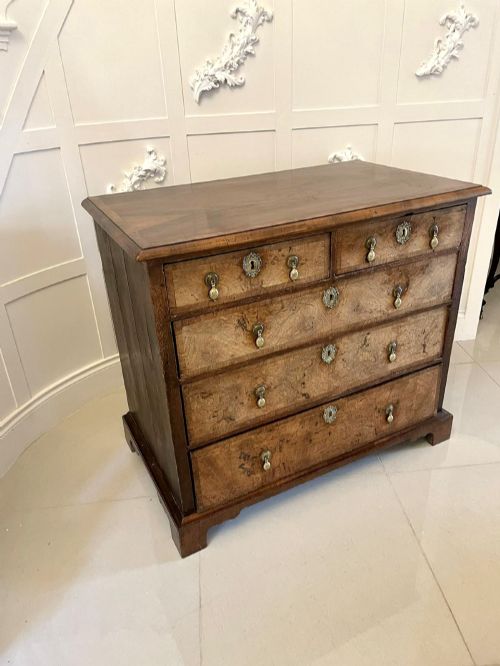
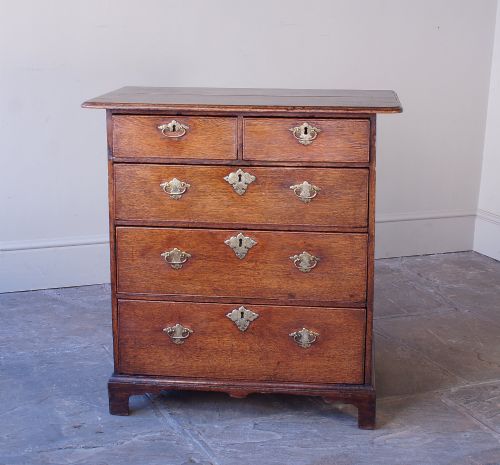
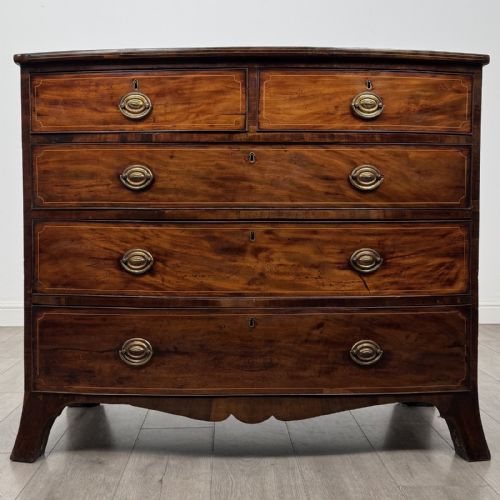
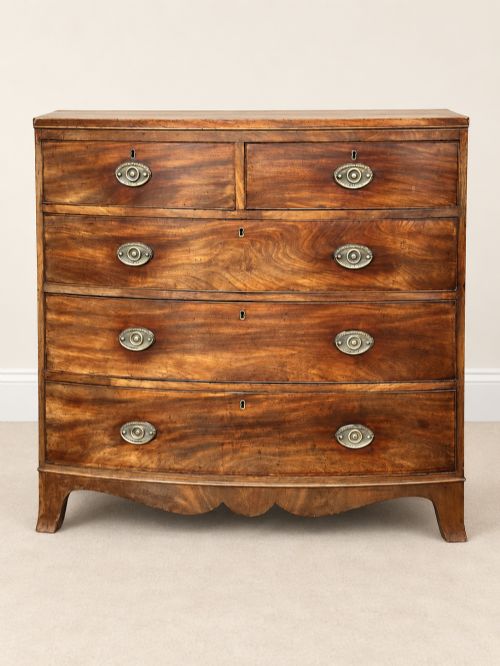
Georgian Tallboy Dresser
A georgian tallboy dresser is a substantial domestic storage piece offering deep drawer capacity, prized for rich timber figuring and classic proportions.
Georgian Tallboy Dresser
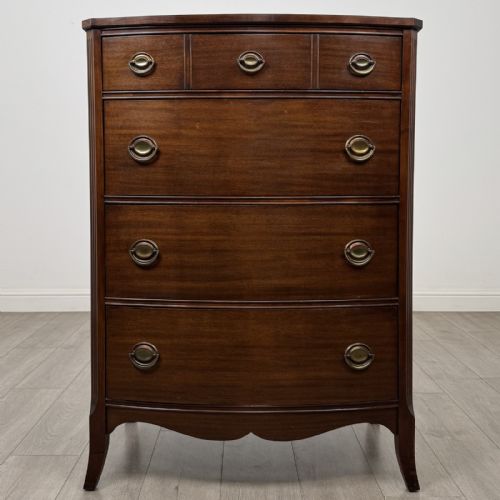
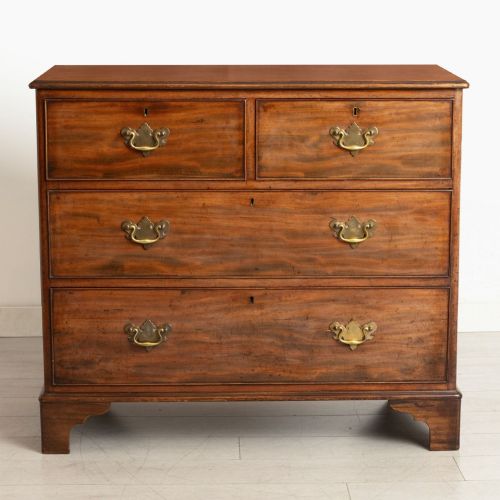
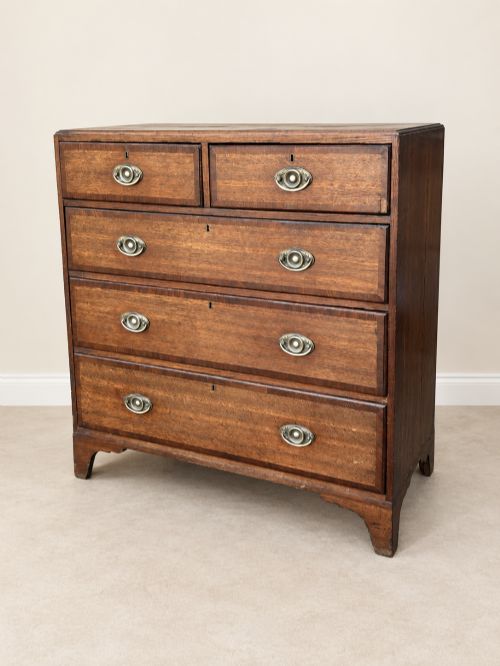
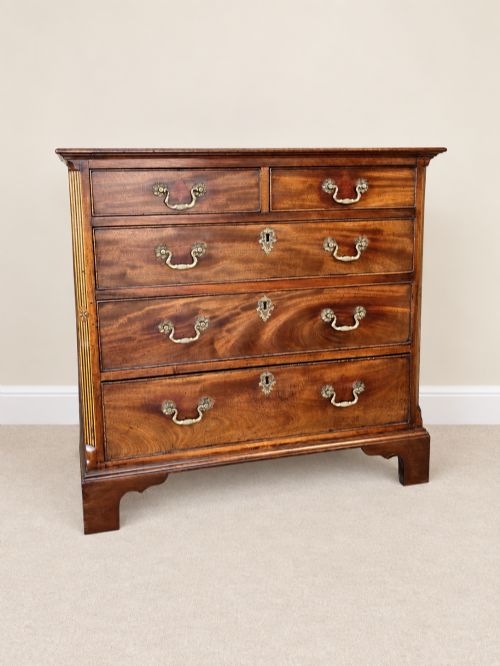
When you examine a georgian tallboy dresser, you are looking at domestic storage pieces primarily appearing as chests of drawers, chests on stands, or bureaux spanning the Georgian, Regency, and 18th Century periods.
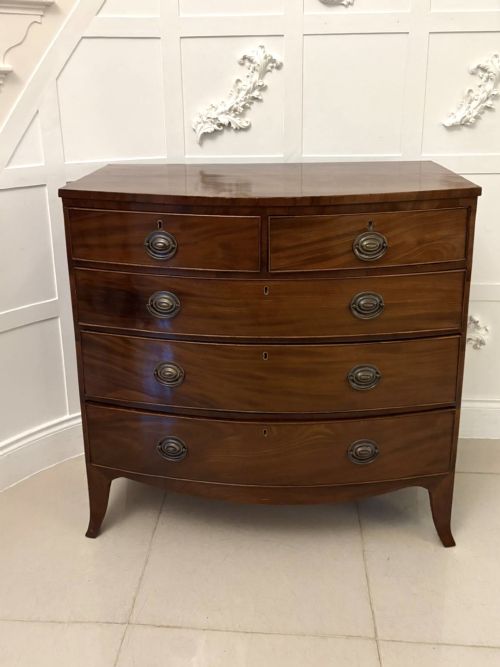
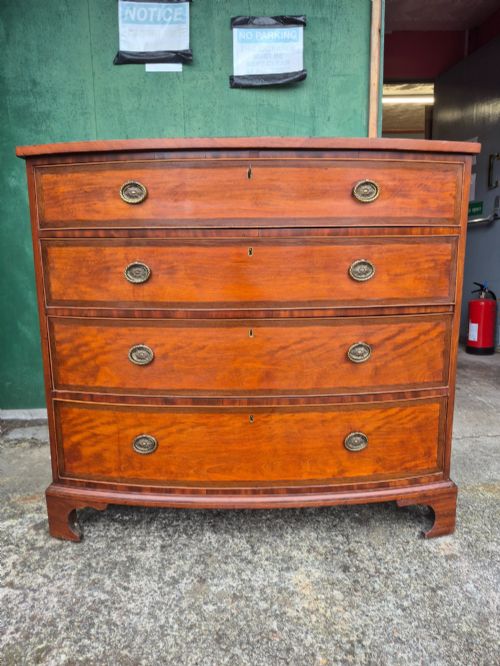
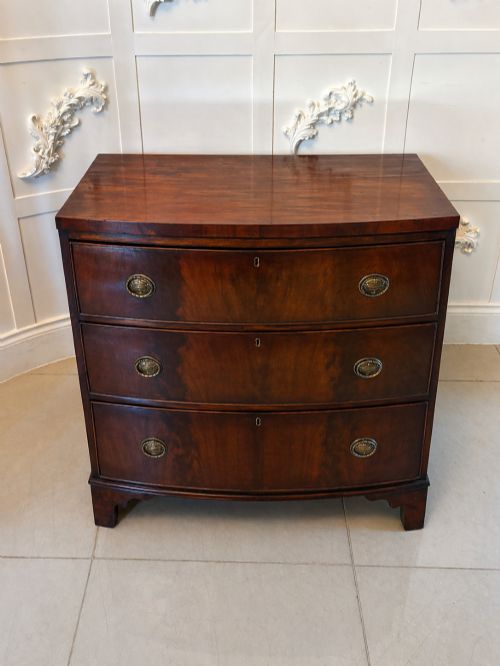
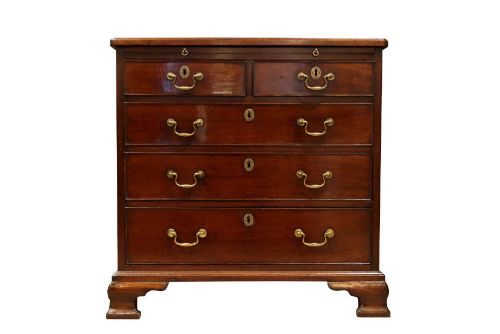
The pieces you are most likely to meet on this page include mahogany, oak, and walnut variants, alongside specific forms such as bow front, serpentine front, and pieces featuring brushing slides.
Originating in eras spanning the 18th Century through to the Edwardian revival and 1920 productions, these items combine practical compartmentalised storage with formal historical presence.
Materials and construction methods
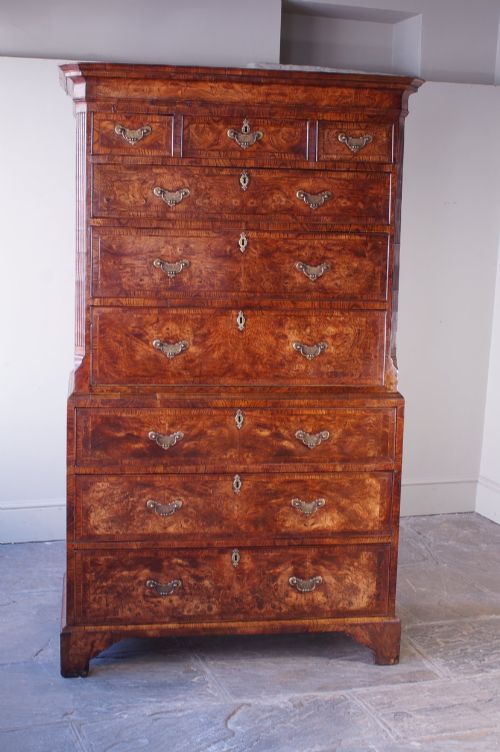
Cabinet makers constructed these pieces using solid timbers and decorative veneers such as flame mahogany, burr walnut, and figured walnut, frequently accented with satinwood crossbanding and herringbone banding.
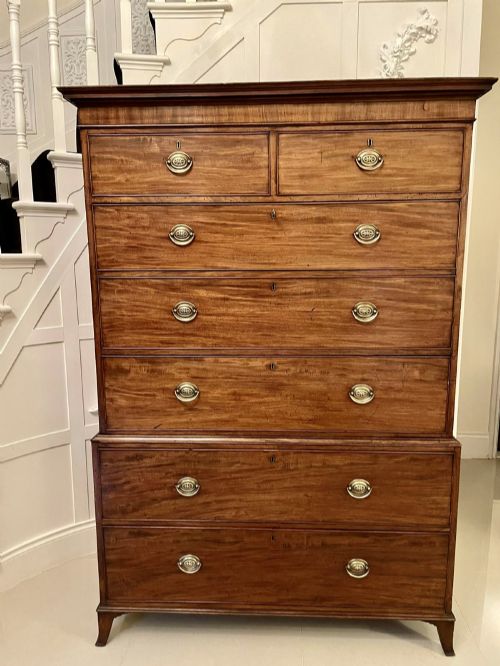
Hardware details involve brass handles and pulls secured to multiple drawer tiers, combining structural oak or mahogany carcases with refined surface preparation.
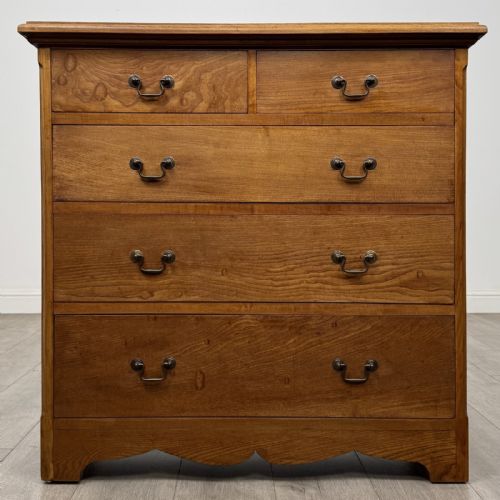
Listings feature pieces spanning the Georgian, Regency, 18th Century, and Edwardian periods, constructed in mahogany, oak, walnut, and yew wood.
Distinguishing quality across examples
Quality diverges in the selection and matching of timber veneers, where highly figured flame mahogany or burr walnut elevate an individual piece above plain solid alternatives.
Refinement in edge treatments, such as precise crossbanding and well-executed brass drawer furniture, separates standard workshop output from exceptional cabinet work.
Whytock And Reid·J Moorcroft
The Georgian Tallboy Dresser Glossary
- Tallboy
- A tall chest of drawers standing high off the ground, often constructed in two stacked sections. This form maximises vertical storage capacity in smaller chamber spaces.
- Brushing slide
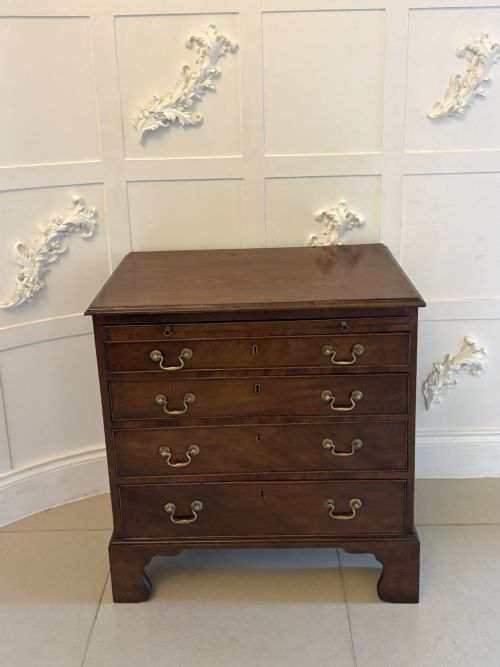
- A pull-out shelf integrated into the cabinet facade just above the uppermost drawers. It served as a temporary writing or clothes-brushing surface.
- Bow front
- A convexly curved front facade projecting outward in a gentle arc. This contour softens the rigid geometry of standard rectangular chests.
- Serpentine front
- A horizontally undulating front edge featuring a central convex curve flanked by concave sweeps. It represents a more complex joinery technique than straight or bow fronts.
- Crossbanding
- A narrow strip of veneer laid around the border of a drawer front or top with the grain running perpendicular to the central panel. This technique creates a distinct visual frame.
Georgian Tallboy Dresser: Frequently Asked Questions
What is a georgian tallboy dresser?
A georgian tallboy dresser is a tall chest of drawers or multi-tiered storage unit originating from the 18th Century or Regency eras. These pieces provide deep vertical storage using durable timbers.
They serve as focal storage furniture in bedrooms and halls, offering multiple graduated drawers for garments and linens.
How do I identify a Georgian piece?
You can identify a Georgian piece by examining the timber species, construction joinery, and hardware styles such as brass handles. Periods span the reigns of the Georges through to Regency interpretations.
Look for traditional construction methods, hand-cut dovetails on drawer boxes, and characteristic finishes like flame mahogany veneer or golden oak.
What woods were commonly used?
Cabinet makers predominantly utilised mahogany, oak, and walnut for the primary carcases and drawer structures. Finer examples incorporate flame mahogany veneer, burr walnut, and satinwood crossbanding.
These materials reflect the prevailing tastes of 18th Century and Regency workshops, balancing structural durability with decorative timber figuring.
What is a brushing slide?
A brushing slide is a pull-out wooden shelf integrated horizontally into the upper section of a chest of drawers. It provided a clean surface for brushing garments or temporary writing.
When not in use, the slide pushes flush into the cabinet frame, remaining hidden beneath the top moulding.