



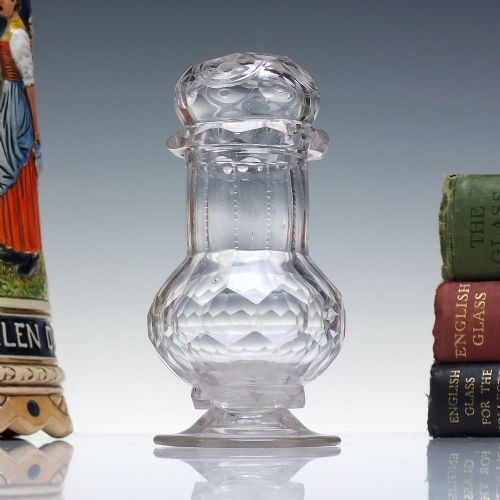


Georgian Sugar Shaker
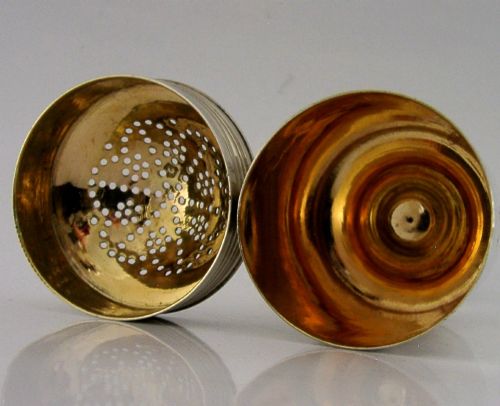
A georgian sugar shaker sits on the table as a silver or glass vessel made to dust fine sugar over sweet dishes.
Georgian Sugar Shaker
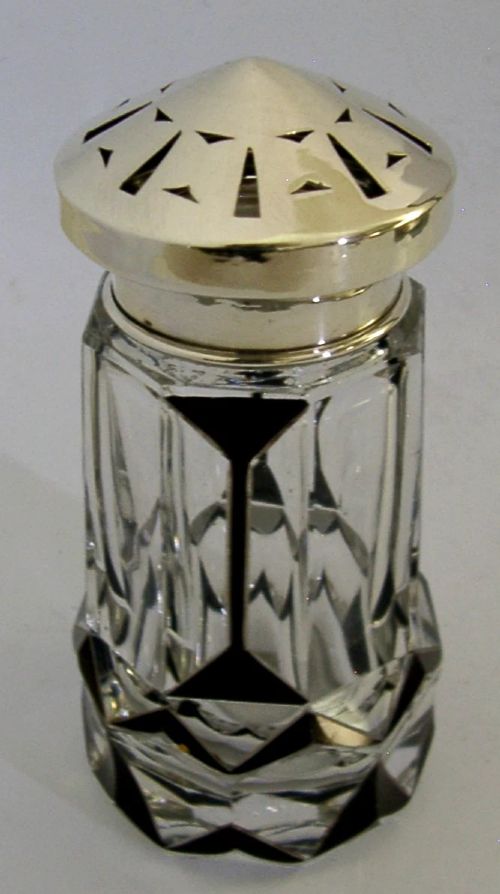
A georgian sugar shaker brings together silver and cut glass forms designed for the dining table. The pieces found here span the eighteenth century alongside revival iterations from later decades.
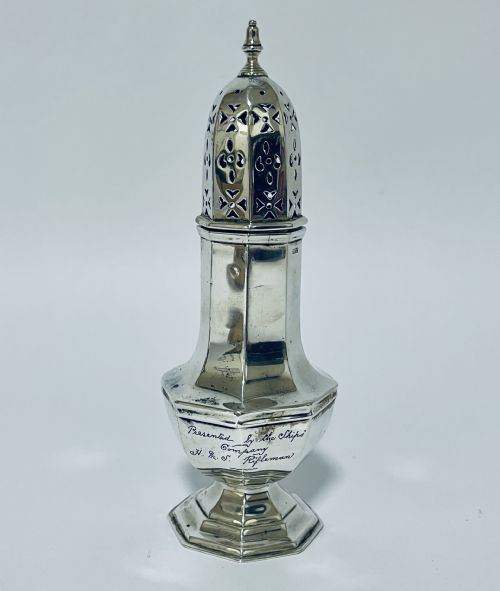
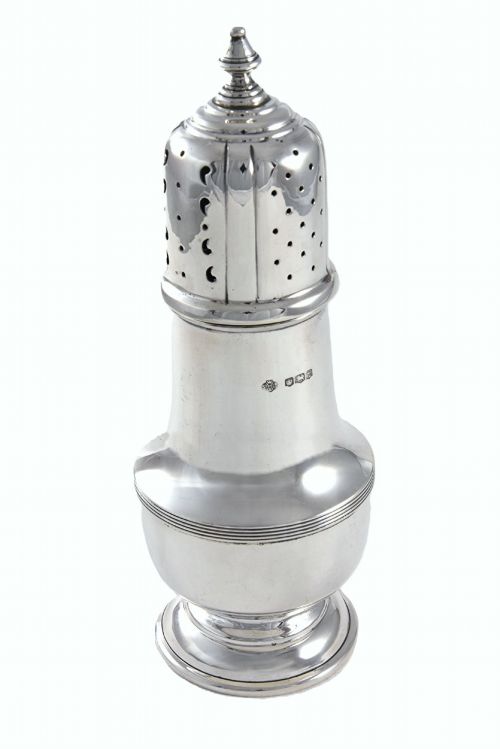
Makers shaped these objects into octagonal, polygon, and round top profiles, often functioning as muffineers or condiment casters. Early examples show firm allegiance to Queen Anne and early Georgian design aesthetics.
The historical spread includes work from London, Dublin, and provincial workshops. Collectors encounter both utilitarian kitchen metalware and monumental silver casters with armorial engraving.
Materials and Technique
Sterling silver provides the primary structural medium, worked into heavy gauges with screw feet and pierced tops. Huguenot makers brought advanced casting and piercing techniques to early eighteenth century pieces.
Cut glass and lead crystal appear combined with silver mounts to form body vessels that reveal the contents within. Brass serves alternative domestic functions in spice shakers and dredgers of the period.
Georgian Sugar Shaker Retail Price Guide 2026
Typical asking prices for georgian sugar shaker among the pieces listed under this phrase on Sellingantiques today, from the lower quarter to the upper quarter. They describe what is for sale here now, not the wider market.
The inventory records sterling silver, cut glass, lead crystal, and brass across periods stretching from the eighteenth century to the mid twentieth century.
Judging Quality
Weight and gauge dictate the substance of a silver caster, where heavier grams denote superior manufacture. Crisply pierced lids with distinct apertures separate ordinary production from workshop masterpieces.
Provenance and maker marks elevate certain pieces, particularly those bearing the touchmarks of notable Huguenot silversmiths or documented London makers. Engraved armorials and complete sets add historical depth to surviving examples.
Stephen Adams·Simon Pantin·The Barker Brothers·Roberts And Belk·Thomas Ross·Charles Alchorne·Thomas Pritchard
The Georgian Sugar Shaker Glossary
- Muffineer
- A small shaker used for dusting sugar over muffins or buttered bread at tea. These typically feature finely pierced lids designed for controlled dispensing.
- Caster
- A cylindrical or faceted container with a perforated top for sprinkling dry condiments like sugar or spices. Examples from the early eighteenth century often display strict octagonal geometry.
- Pounce Pot
- A small container used to sprinkle sand or resin powder over wet ink to speed drying. They share identical physical forms with early sugar shakers.
- Huguenot
- Protestant refugees from France who brought advanced silversmithing techniques to British workshops. Their output is marked by exceptional weight and precise decoration.
- Armorial
- A coat of arms engraved onto the surface of silver items. These markings denote the original commissioning family.
Georgian Sugar Shaker: Frequently Asked Questions
How do I clean antique silver?
Silver shakers require gentle washing in warm soapy water using a soft cloth to protect the pierced lid. Avoid harsh dips that strip the natural patina accumulated over centuries.
Dry thoroughly with a lint free cloth to prevent water spots on the sterling surface.
What is the difference between a caster and a shakers?
The terms are often used interchangeably in trade descriptions for table vessels with pierced tops. Strictly speaking, casters traditionally stood on a foot while shakers took varied modern silhouettes.
Both served the primary purpose of dispensing dry condiments onto food during meals.
How can I date an unmarked piece?
Dating relies heavily on stylistic cues such as octagonal profiles, bezel mounts, and the pattern of piercings on the lid. Comparing form against documented pieces from the same period provides a reliable baseline.
Material composition, like lead crystal paired with early silver mounts, also points toward specific manufacturing decades.
Were these used exclusively for sugar?
While primarily made for sugar, many vessels functioned as spice dredgers or condiment containers for pepper and mustard. The size of the perforations on the lid often hints at the intended particle size.
Kitchen metalware variants handled coarser spices in busy domestic environments.
Why do some shakers have glass bodies?
Cut glass and lead crystal bodies allowed diners to see the remaining sugar levels during formal meals. Silversmiths mounted these glass cylinders on silver bases with matching pierced caps.
This combination offered a contrast between reflective crystal facets and polished metal.