



Georgian Style Tea Caddy
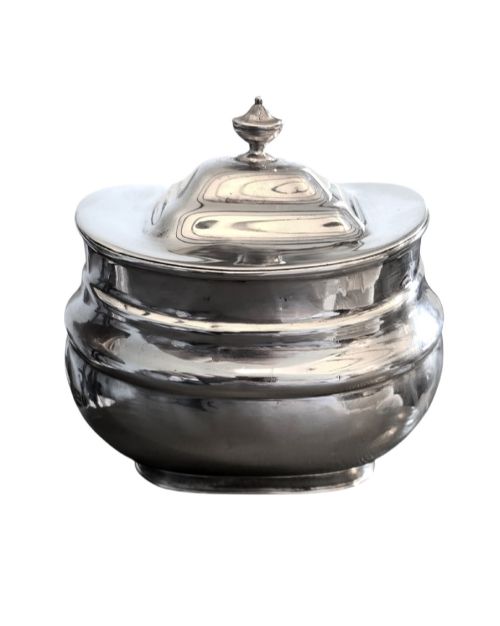
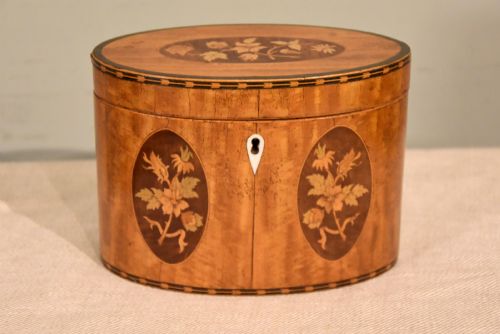
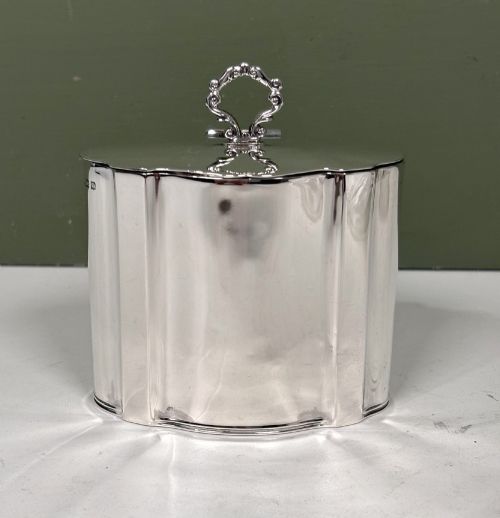
A georgian style tea caddy stores precious leaves behind polished mahogany, satinwood or solid silver.
Georgian Style Tea Caddy
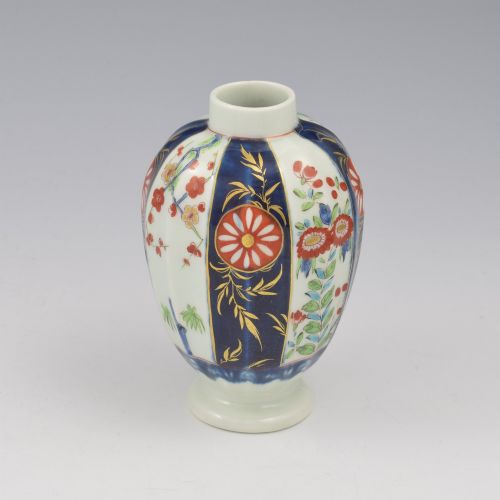
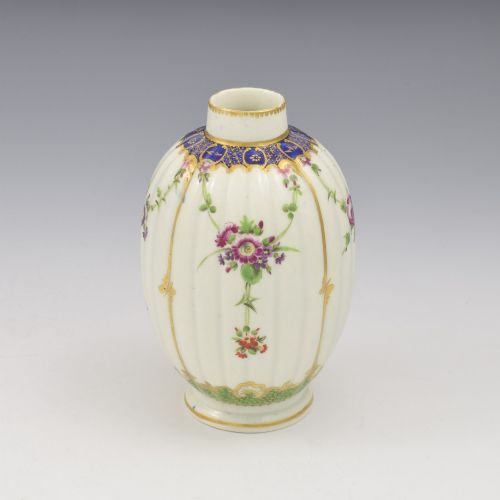
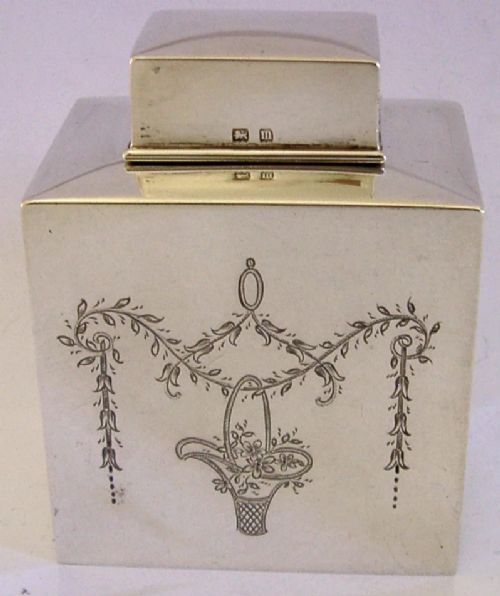
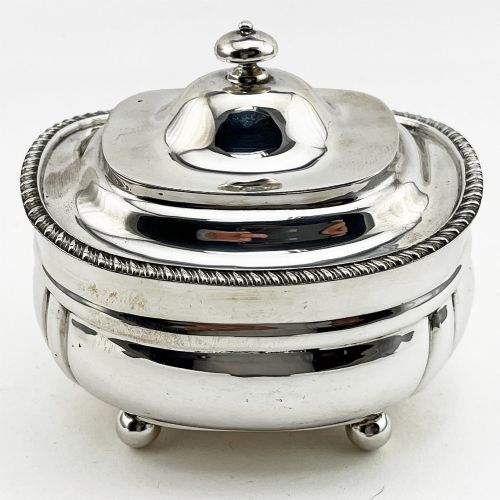
A georgian style tea caddy serves as a decorative storage chest for loose tea leaves, which were expensive and kept under lock in past centuries. Buyers searching for a georgian style tea caddy encounter polished wooden boxes, silver canisters and ceramic vessels originating across the eighteenth, nineteenth and early twentieth centuries.
The wooden examples appear in satinwood, mahogany, partridge wood, harewood and rosewood, often formed in oval, octagonal or sarcophagus shapes. Many incorporate marquetry, shell inlays, butterfly details or stringing, reflecting the aesthetics of the Georgian period and later revivals.
Silver versions from the Edwardian and George V eras translate classical proportions into solid metal, sometimes paired with enamel or bone elements. Alongside dedicated tea caddies, the selection includes biscuit boxes, tea canisters and occasional boxes on stands.
How they were made
Cabinetmakers constructed wooden caddies using dense timbers like mahogany, rosewood and satinwood, frequently applying contrasting veneers and intricate stringing. Artisans shaped boxwood, ebony and bone into delicate inlay motifs, including shells and butterflies, set flush into the lid and sides.
Silversmiths hammered, cast and chased sterling silver to form rigid canisters and boxes, marking them with hallmarks for London and provincial assay offices. Porcelain vessels received hand-painted glazes in the manner of Worcester and Sèvres, combining ceramic bodies with fitted metal mounts.
Georgian Style Tea Caddy Retail Price Guide 2026
Typical asking prices for georgian style tea caddy among the pieces listed under this phrase on Sellingantiques today, from the lower quarter to the upper quarter. They describe what is for sale here now, not the wider market.
Listings feature wooden caddies in satinwood, rosewood, mahogany and harewood, alongside sterling silver and porcelain canisters.
What varies in quality
The refinement of the timber grain and the precision of the marquetry define the upper tier of wooden caddies. Crisp edges on octagonal or oval bodies and balanced, symmetrical shell inlays indicate skilled craftsmanship from the workshop.
Weight and gauge distinguish the silver examples, where thick sterling silver provides structural integrity and tactile substance. Maker marks from established firms like the Goldsmiths and Silversmiths Company or individual silversmiths denote high standards of design and execution.
Goldsmiths and Silversmiths Co.·Zimmermann
The Georgian Style Tea Caddy Glossary
- Sarcophagus caddy
- A tea box shaped like a classical tomb, featuring a domed lid and resting on small feet or a plinth.
- Marquetry
- Decorative veneer patterns assembled from various coloured woods to create pictorial or geometric designs on the surface.
- Stringing
- Thin lines of contrasting timber inlaid around the borders of panels and lids to frame the wood grain.
- Partridge wood
- A dense, heavily mottled tropical timber utilised for its distinctive feathered grain patterns.
- Hallmark
- Official stamps struck into precious metals to indicate the standard of purity, assay office, and year of manufacture.
Georgian Style Tea Caddy: Frequently Asked Questions
What is a tea caddy?
A tea caddy is a small box or chest designed to hold tea leaves safely in domestic interiors. Early varieties featured internal compartments and locks to protect the valuable contents.
Over time, forms evolved from simple wooden boxes to elaborate silver canisters and ceramic jars. They sat prominently in reception rooms during tea service.
How do I date a wooden caddy?
Dating relies on timber choices, construction methods, and decorative motifs present in the piece. Satinwood and mahogany point towards eighteenth and early nineteenth century production.
Later revival pieces from the Edwardian era often copy these earlier styles. Examining the interior linings and hinges helps clarify the exact manufacturing period.
Why do some caddies have multiple compartments?
Multiple internal sections allowed households to store different varieties of tea leaves separately. Green and black teas required distinct storage to preserve their aromas.
A central mixing bowl sometimes occupied the middle space between the lidded canisters.
Are silver caddies marked?
Solid silver caddies typically bear hallmarks stamped on the body or lid. These marks identify the maker, assay office, and year of creation.
Silver-plated examples display different stamps indicating plating techniques rather than solid precious metal standards.