




Georgian Style Secretary Desk
A georgian style secretary desk combines practical workspace with enclosed storage, offering timeless architectural presence and refined craftsmanship for the traditional interior.
Georgian Style Secretary Desk
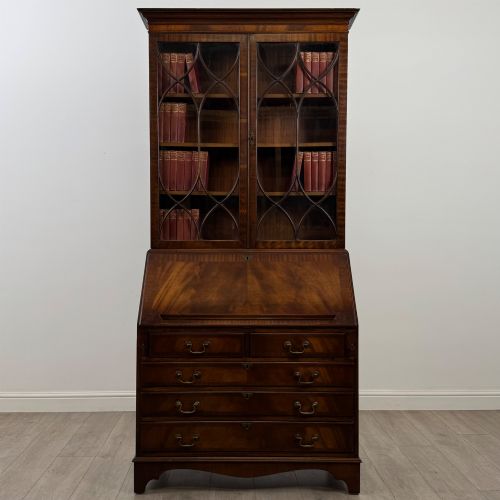
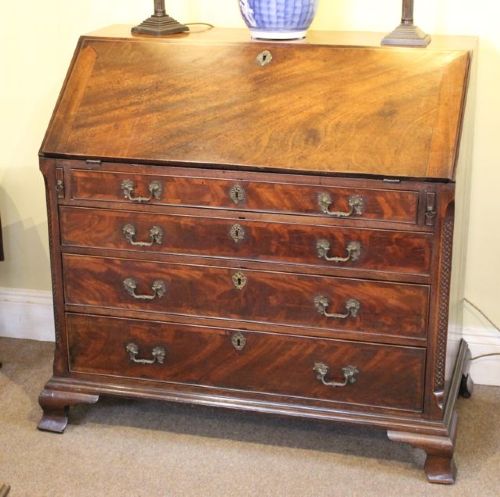
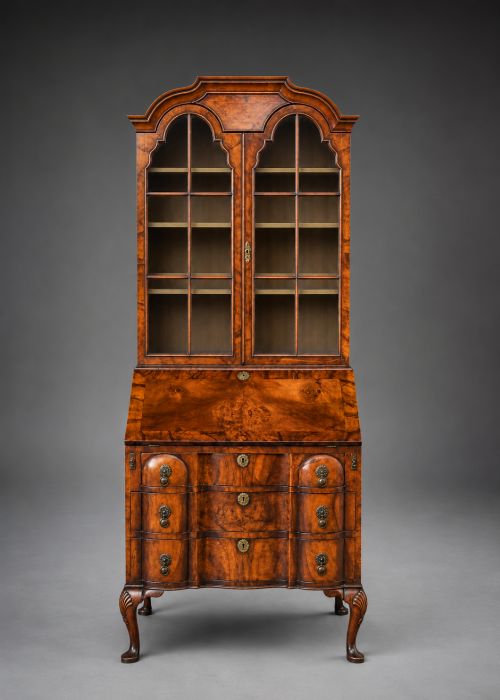
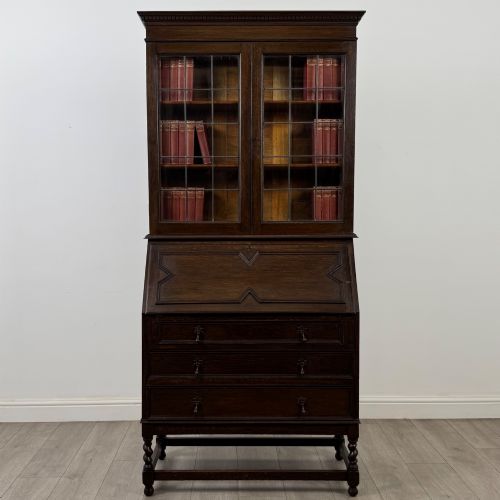
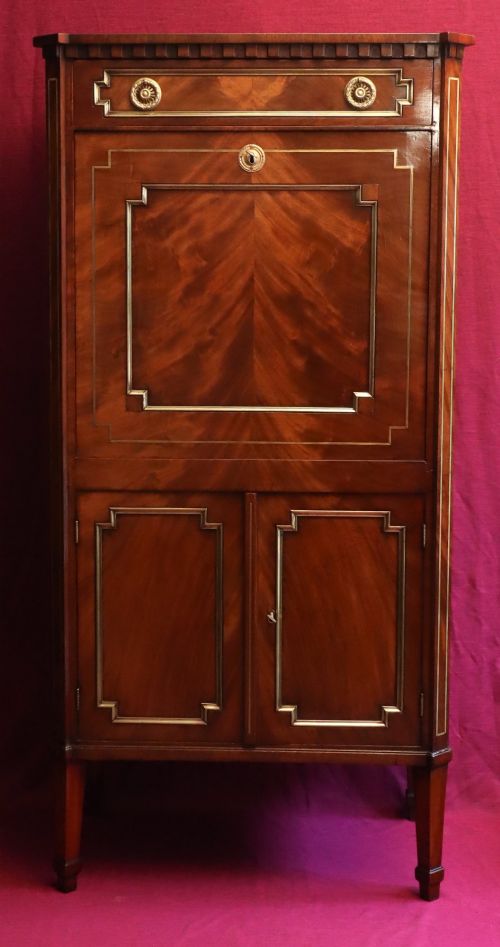
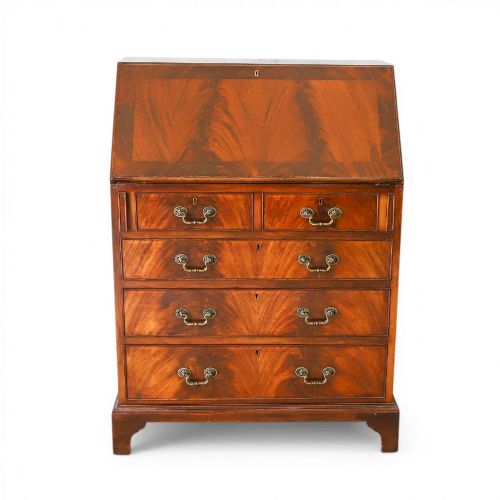
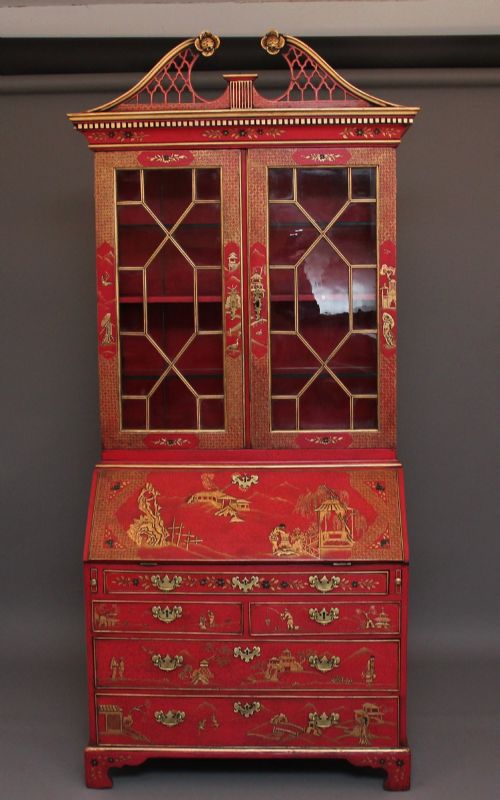
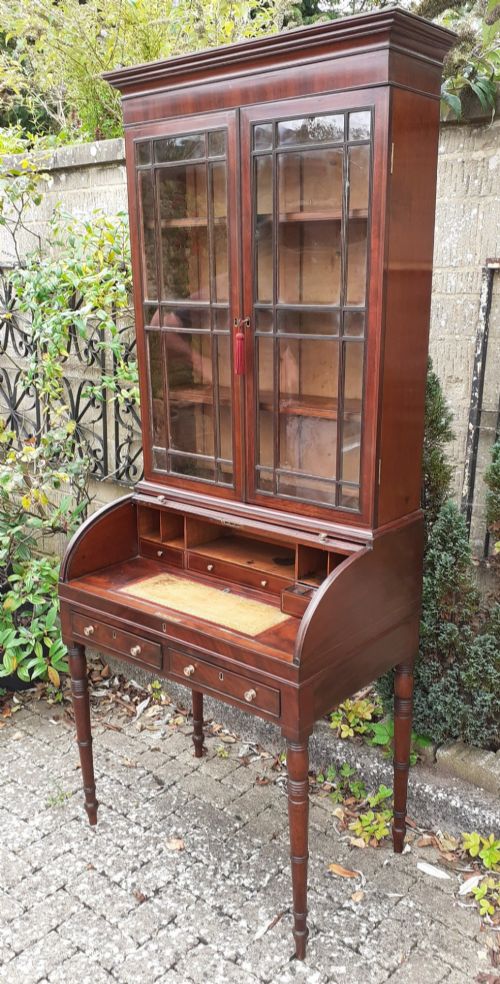
A georgian style secretary desk primarily appears as a bureau bookcase or writing bureau combining a fall-front desk compartment with upper shelving and lower drawers. These pieces span periods from the eighteenth century through Edwardian revivals and the 1920s, reflecting enduring classic proportions.
The form often incorporates glazed upper cabinet doors alongside lower sections fitted with pigeonholes and small drawers. Mahogany dominates the selection, accompanied by walnut, satinwood, oak, and yew wood variations.
Makers drew on Sheraton, Chippendale, and Queen Anne design vocabularies to build these architectural writing pieces. Buyers encounter both period originals and later revival interpretations spanning the nineteenth and twentieth centuries.
Factors determining quality
Quality rests upon the selection of figured timber veneers and the precision of the cabinet joinery within the internal writing compartment. Finer examples display meticulous marquetry inlay and well-matched grain patterns across the fall-front flap and drawer fronts.
The integration of original brass hardware, stable carcass construction, and well-proportioned cornices elevate a piece above standard production. Period revival pieces derive their distinction from the fidelity of their historical styling and the depth of the polished wood finish.
Many writing drawers hide tiny secret compartments behind pigeonholes, designed for stashing love letters and household ledgers.
The Georgian Style Secretary Desk Glossary
- Bureau bookcase
- A combination furniture form featuring a sloping writing flap above drawers, surmounted by a glazed shelving cabinet. This dual-purpose piece served both writing and display functions in traditional rooms.
- Secretaire
- A dedicated writing desk or cabinet featuring a pull-out or drop-front writing surface. It conceals internal compartments for stationery and documents.
- Bonheur du jour
- A light lady's writing desk originating in the eighteenth century, typically featuring a small cabinet or set of drawers on the upper surface. These dainty pieces often employ satinwood and delicate inlay.
- Marquetry
- Decorative veneer work arranged in geometric or pictorial patterns using various coloured woods. Craftsmen applied these intricate designs to drawer fronts and fall-front panels.
- Pigeonhole
- A small, open compartment within a desk interior used for sorting letters and papers. These compartments sit above the main writing surface.
Georgian Style Secretary Desk: Frequently Asked Questions
What is a georgian style secretary desk?
A georgian style secretary desk is a dual-purpose wooden furniture item featuring a writing flap that drops down to reveal small drawers and pigeonholes. Many examples include an upper glazed bookcase section.
These pieces draw on eighteenth-century design traditions, utilising fine timbers such as mahogany and walnut to combine storage with a dedicated workspace.
How do you date a secretary desk?
Dating involves examining the secondary timbers, construction methods, and handling of decorative styles such as Sheraton or Chippendale revivals. Hardware fixings and veneer types also provide key chronological clues.
Pieces range from eighteenth-century originals to Edwardian and 1920s revival interpretations that emulate earlier Georgian proportions.
Where were these desks placed?
These desks traditionally stood in studies, libraries, or principal reception rooms where household accounts and correspondence were managed. Their enclosed upper shelving allowed owners to display leather-bound books.
Today, they function as practical writing stations in home offices or living spaces, keeping stationery neatly concealed behind closed doors.
What woods were used for these desks?
Mahogany serves as the primary timber across the majority of these pieces, often highlighted with satinwood stringing or marquetry inlay. Walnut, burr elm, oak, and yew wood appear frequently in both period originals and later revivals.
Craftsmenship often relied on highly figured veneers on the fall-front writing flaps to create striking visual patterns.