
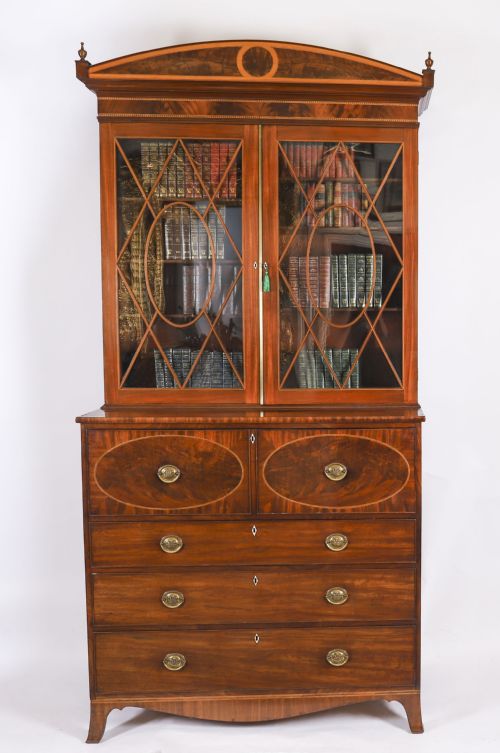
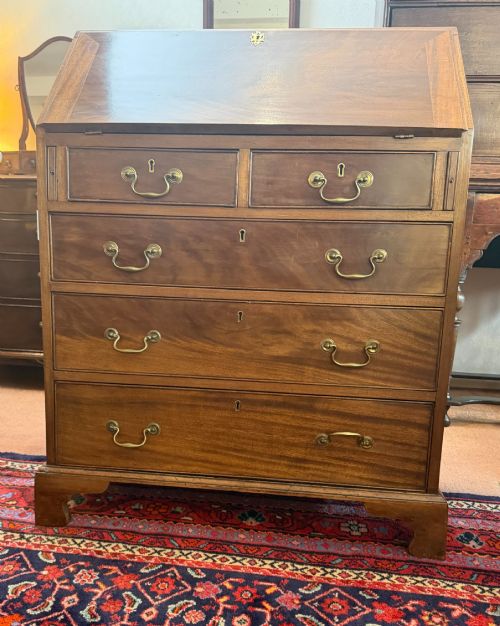
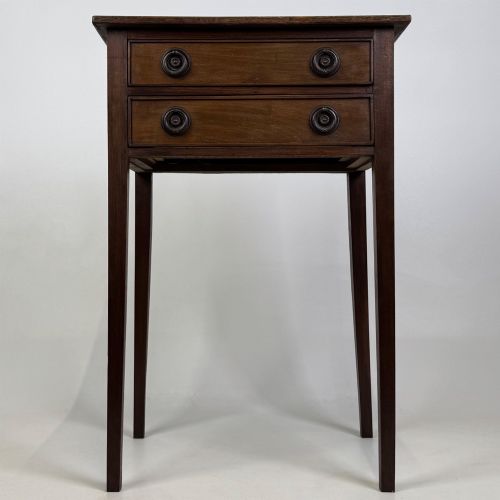
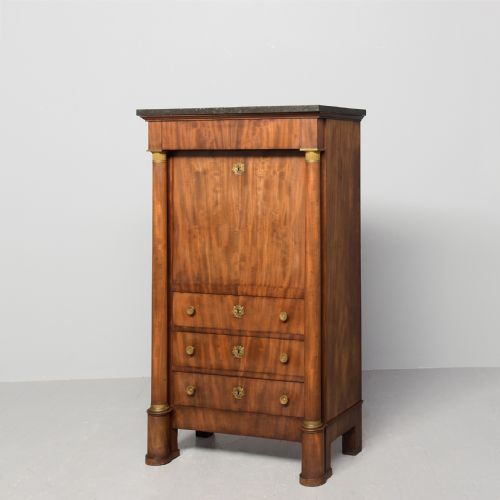
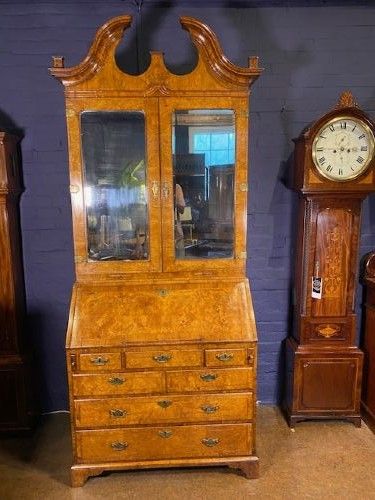
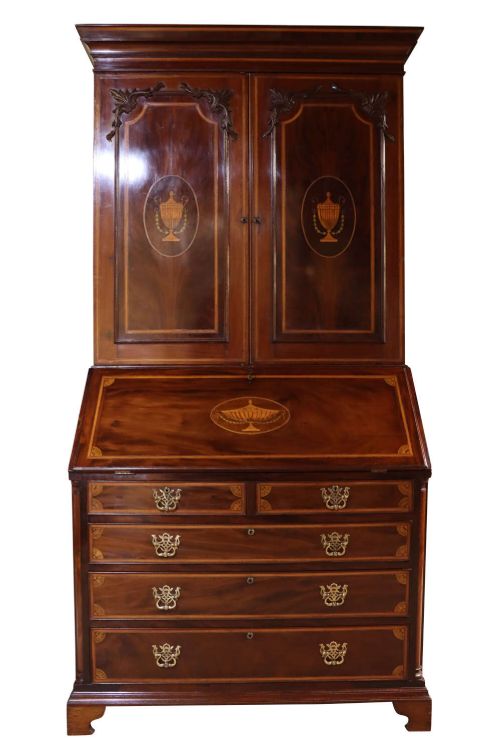
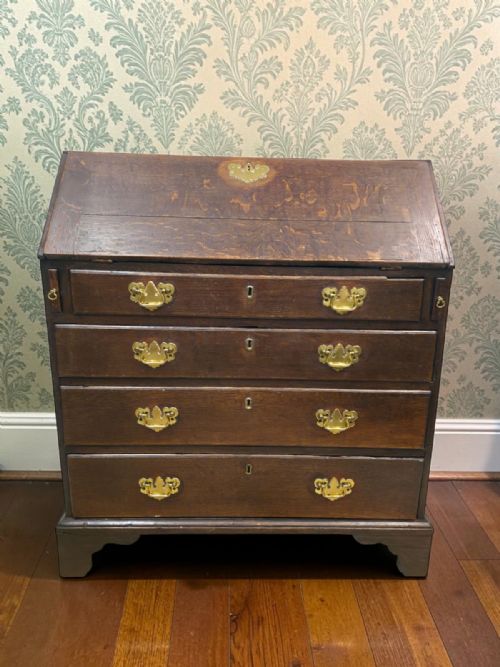
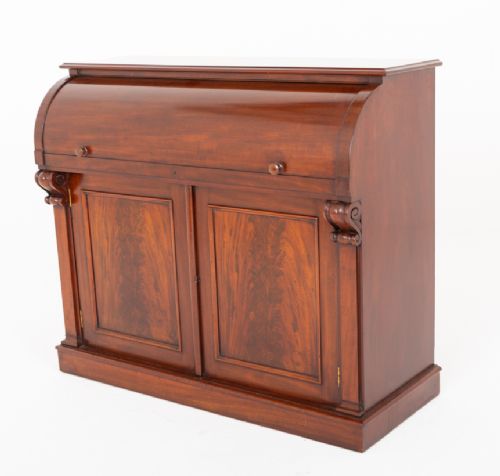
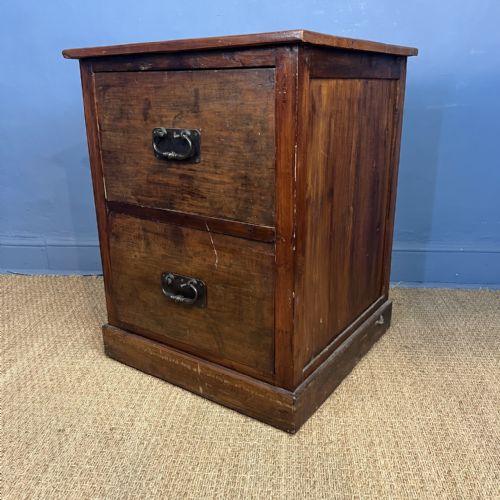
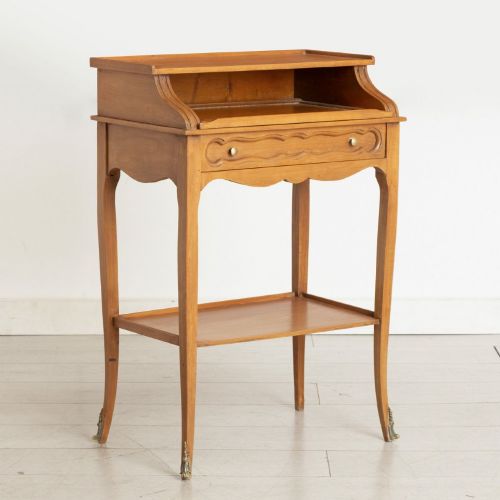
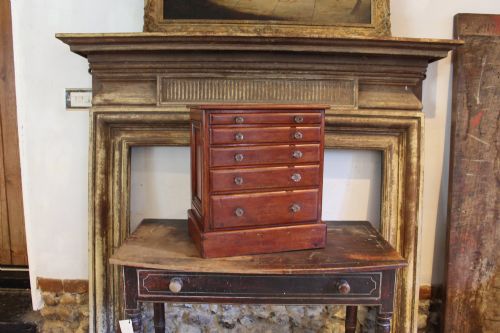
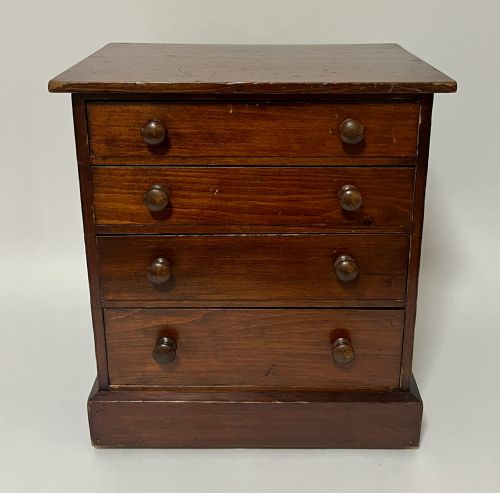
Brown Wooden Desk Cabinet
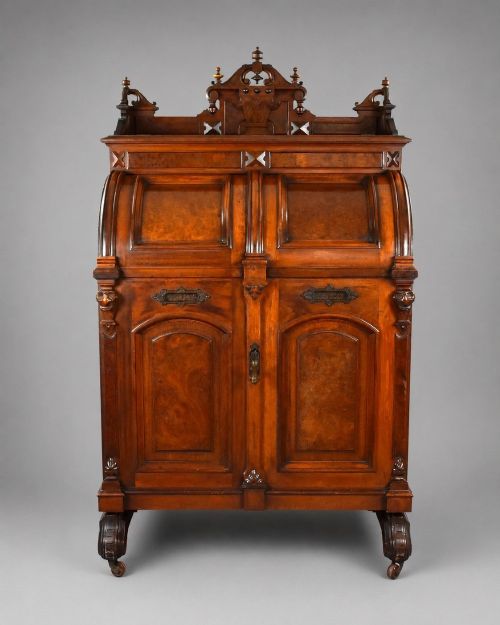
A brown wooden desk cabinet offers compact workspace and organised storage, bringing traditional craftsmanship and rich timber tones into daily use.
Brown Wooden Desk Cabinet
A brown wooden desk cabinet encompasses a variety of writing furniture, bureaux, and tabletop storage pieces spanning the Georgian, Victorian, and Edwardian periods.
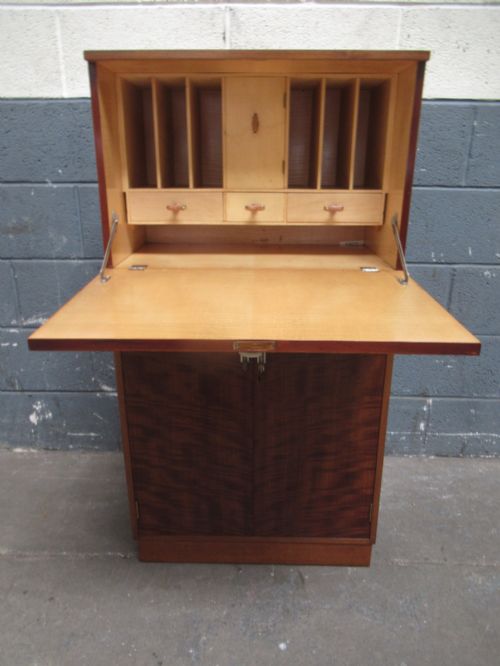
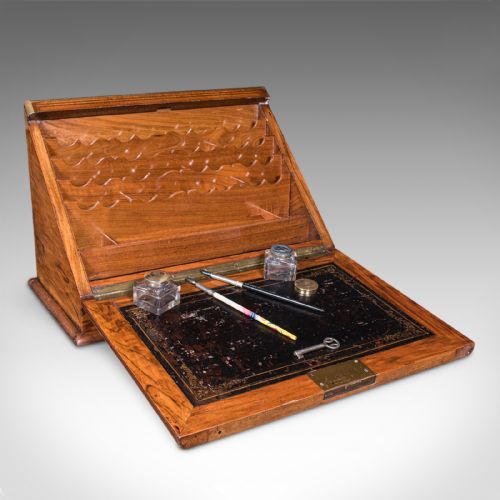
Buyers seeking a brown wooden desk cabinet frequently encounter compact mahogany bureaux, fall-front writing desks, and stationery boxes constructed from walnut or oak.
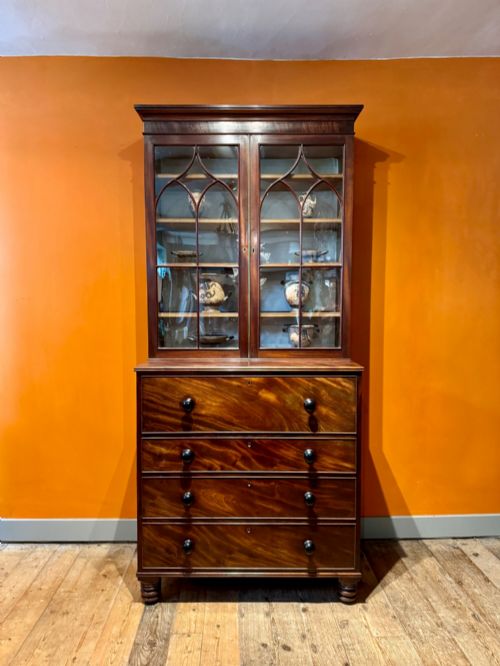
Examples range from eighteenth-century George III secretaire bookcases to small Edwardian desk tidies and twentieth-century office filing cabinets.
Materials and Technique
Cabinet makers utilised dense hardwoods such as mahogany, oak, and walnut, often applying burr walnut or flame mahogany veneers to principal display surfaces.
Construction techniques include dovetailed drawer boxes, hinged fall fronts, and fitted internal compartments designed for correspondence and writing implements.
Pieces frequently feature brass handles, escutcheons, and occasional inlay work in satinwood or other contrasting timbers.
Several Victorian writing boxes include concealed secret drawers accessible only by removing a secondary divider.
Assessment of Quality
Superior pieces display careful timber selection, particularly in matched veneer grains and solid secondary woods within the drawer linings.
The refinement of internal fittings, such as secret compartments, small drawers, and operable pigeonholes, distinguishes higher-grade examples from simpler utilitarian boxes.
Original hardware, including period brass handles and functional locks with matching keys, elevates the integrity of the piece.
Maple and Co.
The Brown Wooden Desk Cabinet Glossary
- Bureau
- A desk featuring a sloping hinged lid that opens to reveal a fitted interior of pigeonholes and small drawers. It often sits atop a chest of drawers.
- Secretaire
- A writing cabinet or desk containing a pull-out or drop-front drawer that serves as a writing surface. These often form the upper section of tall bookcases.
- Escutcheon
- A protective plate surrounding a keyhole, usually fashioned from brass. It prevents the surrounding wood from sustaining wear around the lock.
- Dovetail
- An interlocking joint used in drawer construction, prized for its mechanical strength. Fine, narrow pins indicate skilled hand-cutting.
- Fall Front
- A hinged writing flap that drops from a vertical position to a horizontal plane for writing. It conceals internal stationery compartments when closed.
Brown Wooden Desk Cabinet: Frequently Asked Questions
Where should I place a desk cabinet?
These compact pieces suit studies, living rooms, or hallways where surface area is limited. Their enclosed storage keeps writing materials out of sight.
Ensure placement avoids direct sunlight to protect timber veneers from fading over time.
How do I maintain the wood?
Apply natural beeswax periodically to nourish the mahogany, oak, or walnut surfaces. Buff gently with a soft cloth to maintain a subtle sheen.
Avoid silicone-based sprays, which can penetrate porous historic finishes and damage the timber.
What is a fall front?
A fall front is a hinged writing flap that operates on support brackets or desk arms. When closed, it conceals the inner compartments and papers.
Opening it reveals pigeonholes and small drawers designed for correspondence.
How do I identify the period?
Examine the timber species, construction methods, and hardware style. Georgian pieces often feature solid mahogany and oak linings, while Victorian examples introduce cylinder desks and walnut veneers.
Drawer dovetails also offer clues, with irregular hand-cut pins preceding uniform nineteenth-century machine work.