

Georgian Style Round Table
A georgian style round table brings timeless circular form and rich timber warmth to a room.
Georgian Style Round Table
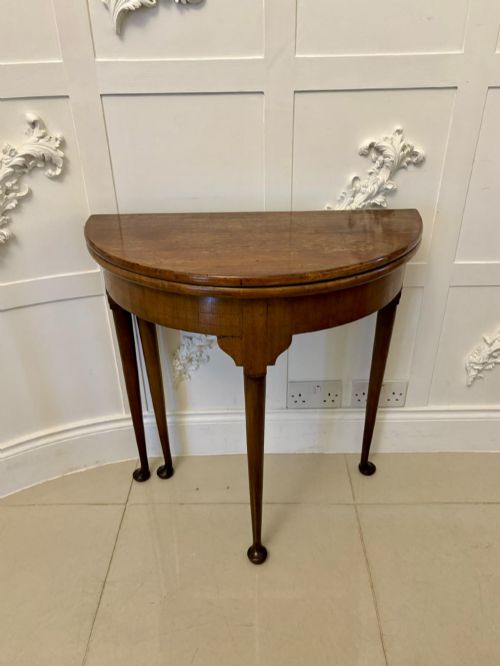
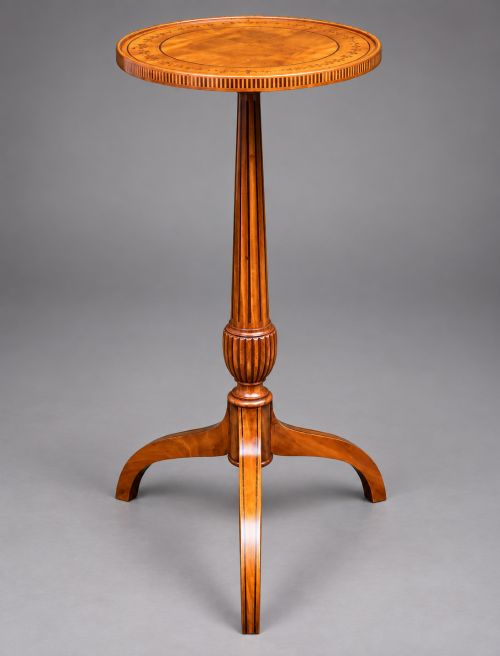
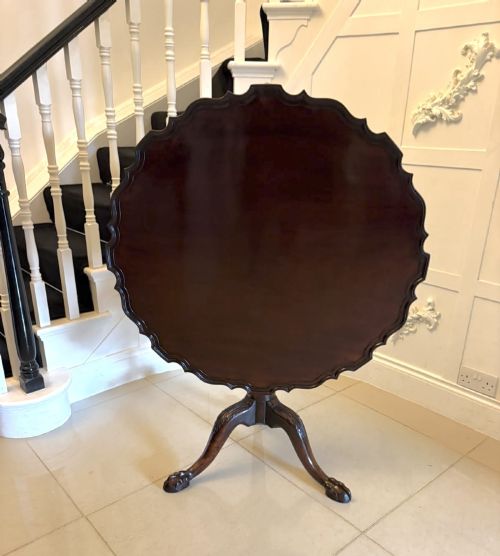
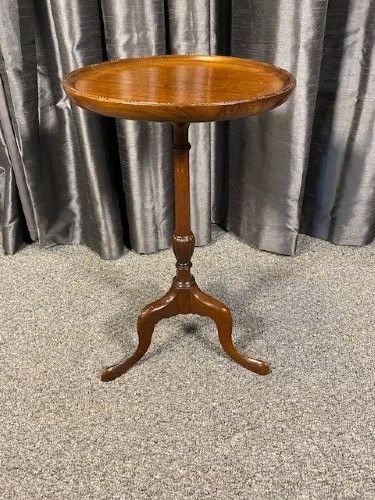
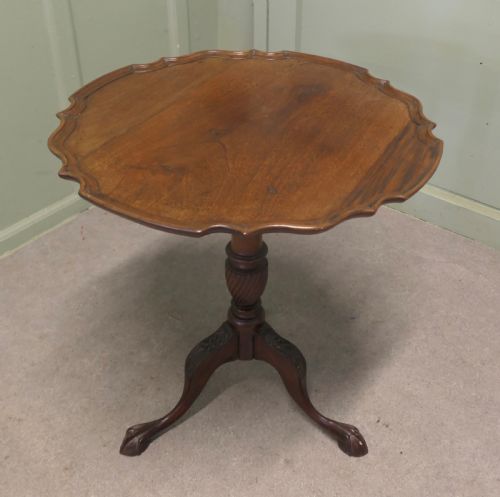
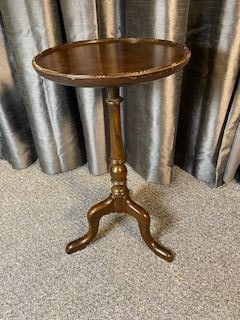
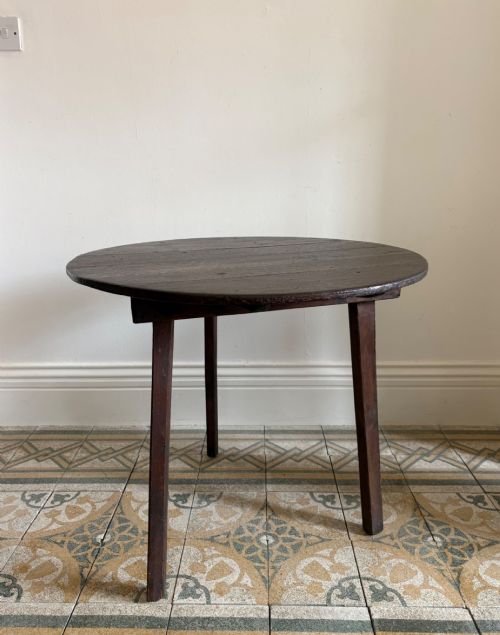
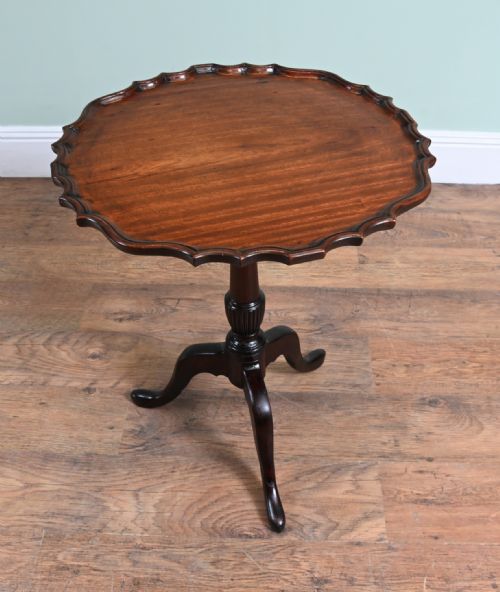
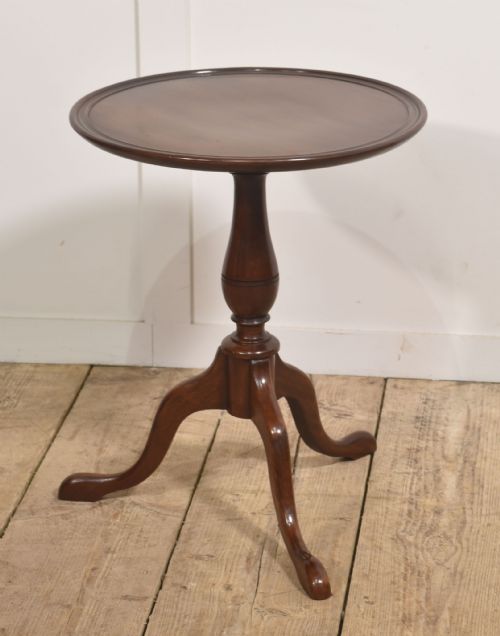
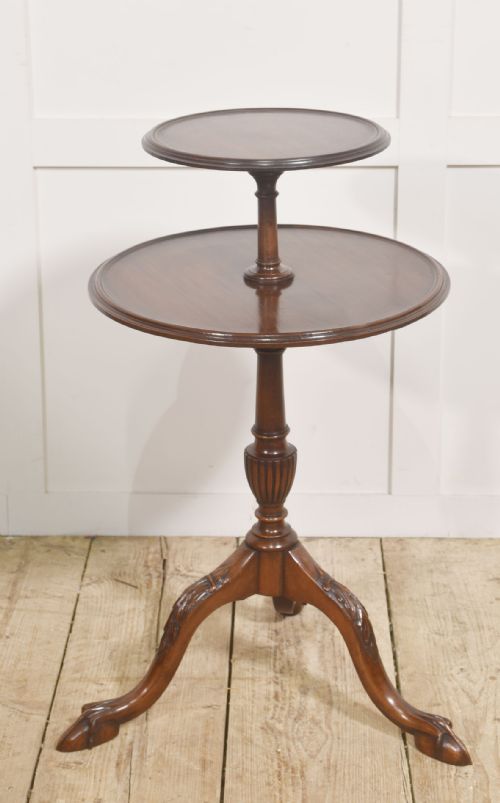
A georgian style round table encompasses a variety of circular timber furniture designed for social and domestic use. The selection spans compact wine tables and lamp stands to larger breakfast, centre, and dining tables.
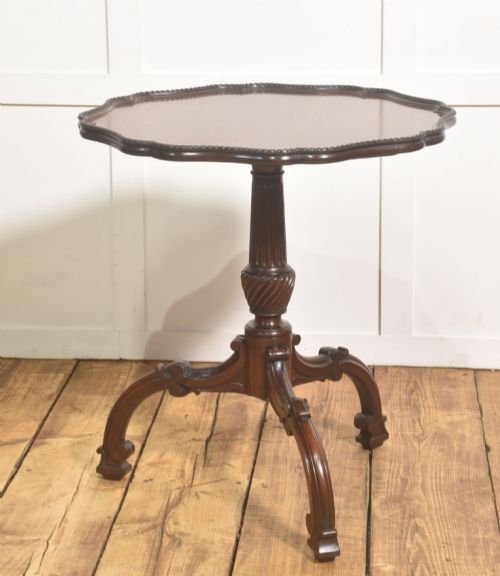
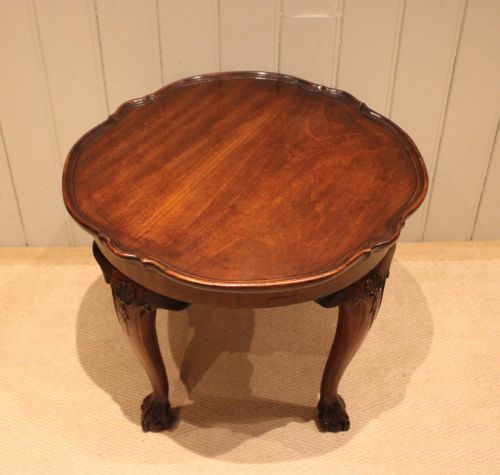
Most examples found here date from the nineteenth and early twentieth centuries, reflecting both original period production and later revival movements. Forms include tripod bases with tilt-top mechanisms, drum tables with storage compartments, and low occasional or coffee tables.
Woods such as mahogany, walnut, oak, and rosewood dominate the construction, often shaped in revival styles that echo eighteenth-century proportions. These circular pieces function equally well as central display surfaces or practical additions to seating areas.
How they were made
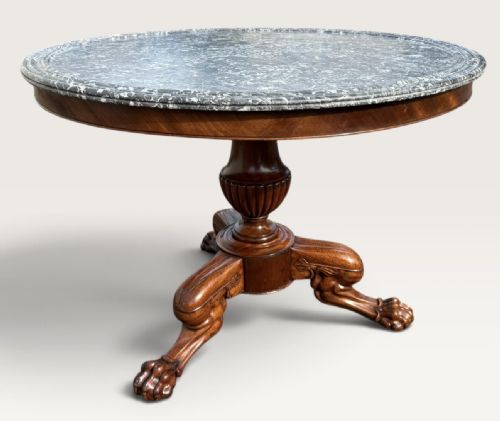
Cabinet makers utilised solid timbers and selected veneers, applying brass fittings, leather inserts, and marble tops to enhance utility and visual contrast. Turning, carving, and inlay techniques define the structural elements, from slender tripod legs to heavy central pedestals.
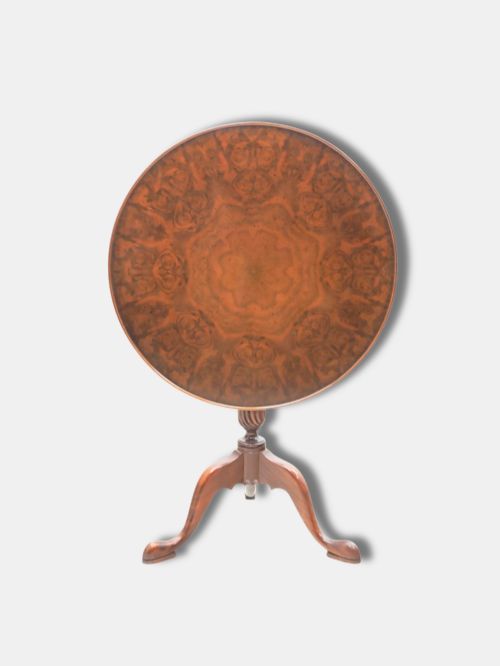
Tilt-top mechanisms allowed tables to be stored flat against walls when not in use, demonstrating practical eighteenth and nineteenth-century design ingenuity. Joinery methods relied on sturdy tenons and turned columns to support circular tops without excessive weight.
Some tables double as sneaky drink holders, proving that ancestors enjoyed a tipple just as much as modern collectors do.
What varies in quality
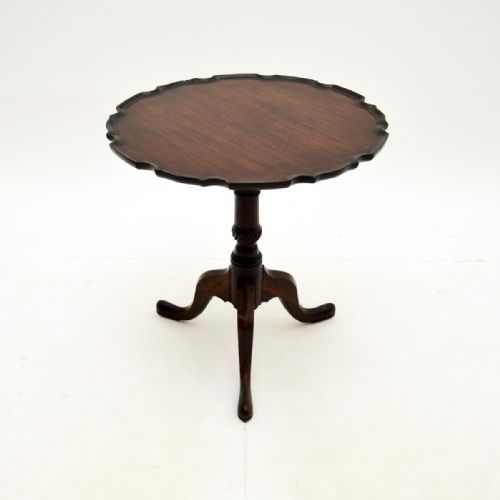
The choice of timber grain and veneer selection dictates the visual impact of a table, with burr walnut and figured mahogany representing finer production standards. Crispness of carved details, such as piecrust borders or claw-and-ball feet, distinguishes bespoke craftsmanship from simpler workshop output.
Stability of the central pedestal and triform base ensures functional longevity, while smooth movement in tilt-top mechanisms points to careful initial fitting. The integration of secondary woods and the preservation of original surface finishes further divide standard pieces from exceptional examples.
Gillows·George Bullock·Roberts & Belk
The Georgian Style Round Table Glossary
- Tripod table
- A small freestanding table supported by a central pillar resting on three legs. This construction keeps the top steady on uneven floors.
- Tilt-top
- A hinged tabletop that can be pivoted into a vertical position when not in use. It allowed domestic interiors to save space during earlier centuries.
- Piecrust edge
- A raised, carved moulding along the perimeter of a tabletop resembling pastry work. It is typically found on finer eighteenth and nineteenth-century occasional tables.
- Drum table
- A circular library or centre table with a deep frieze containing drawers, resembling the shape of a drum. They often rest on a single pillar and four splayed legs.
- Breakfast table
- A large circular or oval table designed for morning meals or general parlour use. Many feature tipping mechanisms for easy storage.
Georgian Style Round Table: Frequently Asked Questions
What is a tilt top table used for?
A tilt top table served primarily as a flexible surface for dining, drinking, or reading in smaller living spaces. The hinged mechanism allowed the top to pivot vertically so the furniture could rest against a wall when the room was needed for other activities.
Over time, these pieces transitioned from functional dining items to decorative wine or lamp tables. Today, they remain popular for their compact footprint and mechanical ingenuity.
How do I tell an original Georgian table from a revival piece?
Distinguishing original eighteenth-century tables from later revival pieces requires examining the timber shrinkage, secondary woods, and construction marks. Original pieces often show hand-cut joinery and period-specific timber usage, whereas revival versions from the nineteenth and twentieth centuries display uniform machining and standardised fittings.
Stylistic cues also help, as revival makers frequently exaggerated proportions or combined design elements from different reigns. Consulting the listed period alongside the timber characteristics clarifies the exact age of the piece.
Where should I place a round centre table?
A round centre table suits the middle of a principal room, an entrance hall, or a spacious corner where it can be viewed from multiple angles. Its circular geometry helps soften rigid architectural lines and encourages natural movement around the furniture.
Smaller wine and lamp tables fit comfortably beside sofas or armchairs, holding lighting and decorative objects. Larger pedestal designs anchor a room visually and provide a surface for floral arrangements or books.
What maintenance do antique wood tables need?
Antique wood tables require consistent humidity levels and protection from direct sunlight to prevent the timber from splitting or fading. Regular dusting with a soft, dry cloth preserves the finish without building up heavy chemical residues.
Applying a traditional beeswax polish occasionally helps nourish mahogany, walnut, or oak surfaces. Avoid placing hot cups or damp items directly on the bare wood to protect the historic polish.