


Georgian Style Painted Table
These georgian style painted table pieces bring colour and classical form to a room, offering surface space finished with decorative brushwork.
Georgian Style Painted Table
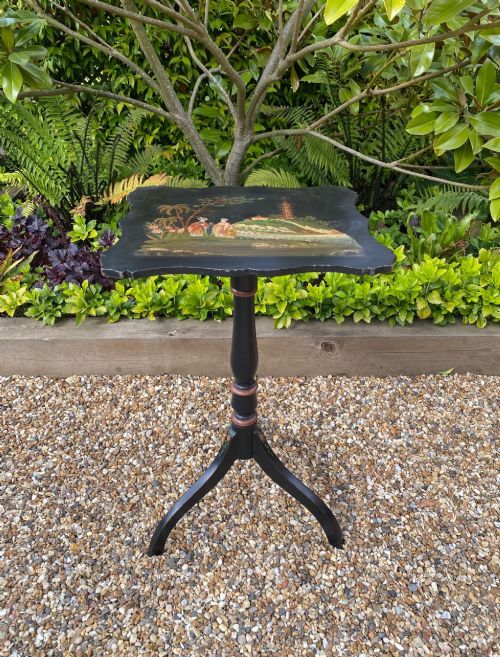
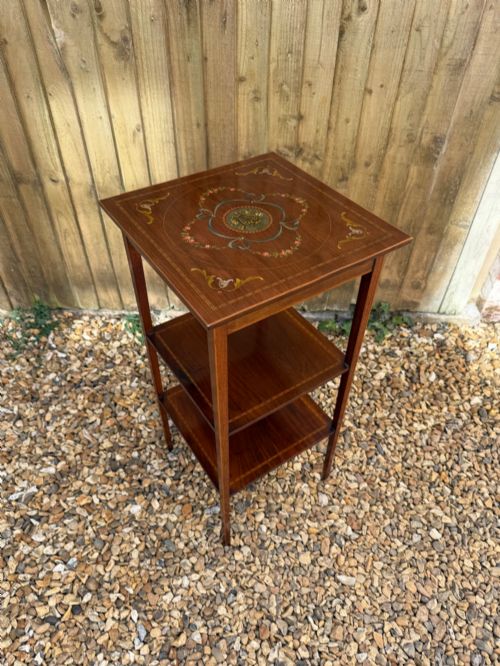
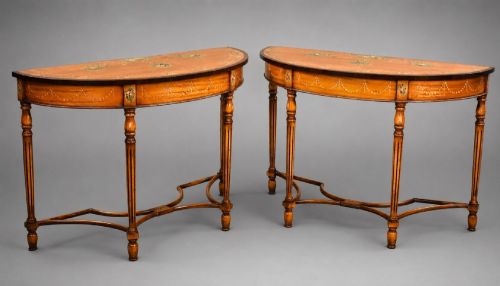
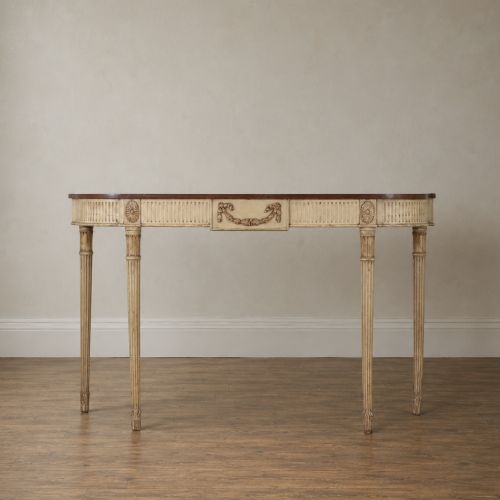
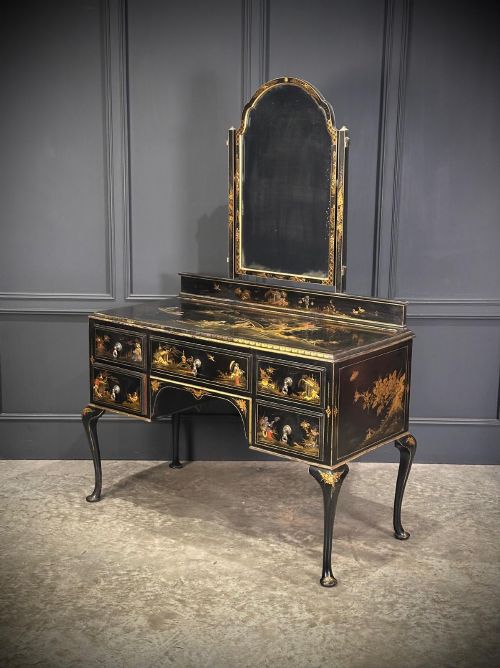
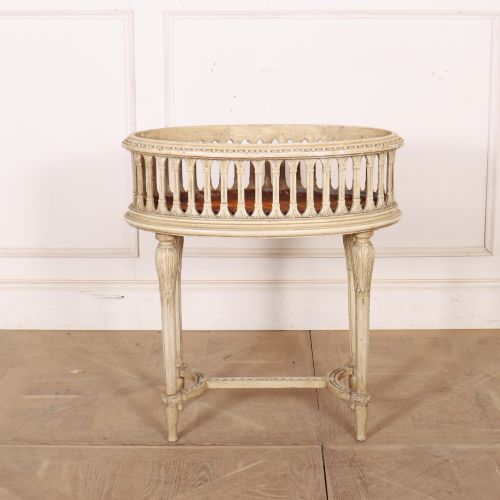
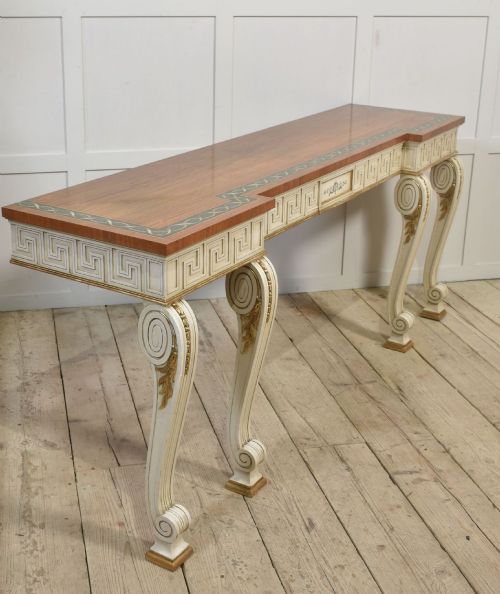
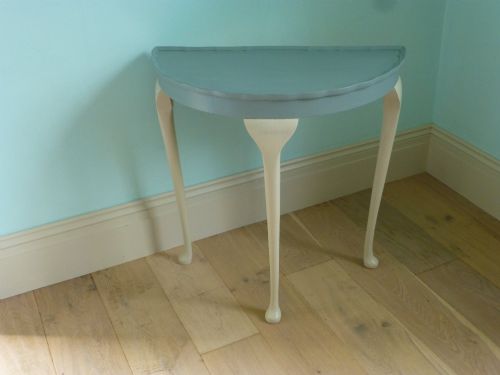
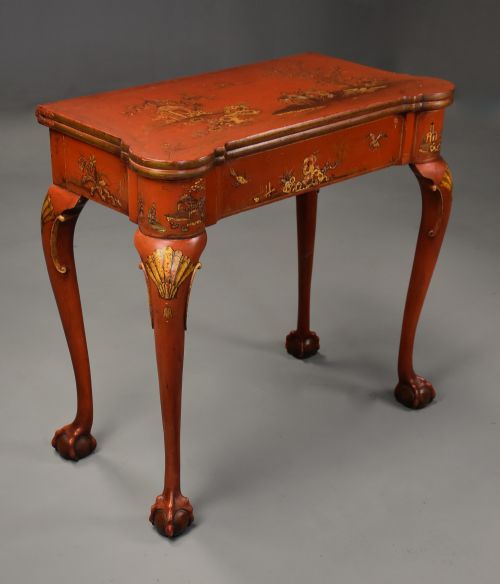
When you examine a georgian style painted table on this page, you encounter console tables, side tables, occasional tables, and demi-lune forms designed for display or surface use. These pieces draw on historical decorative traditions, ranging from neoclassical restraint to intricate Chinoiserie.
The selection includes items spanning from the eighteenth century through the Victorian era and into the early twentieth century, such as Sheraton Revival and Edwardian interpretations. You will find items originating from English country houses and urban workshops alike, utilising timber forms built for practical domestic utility.
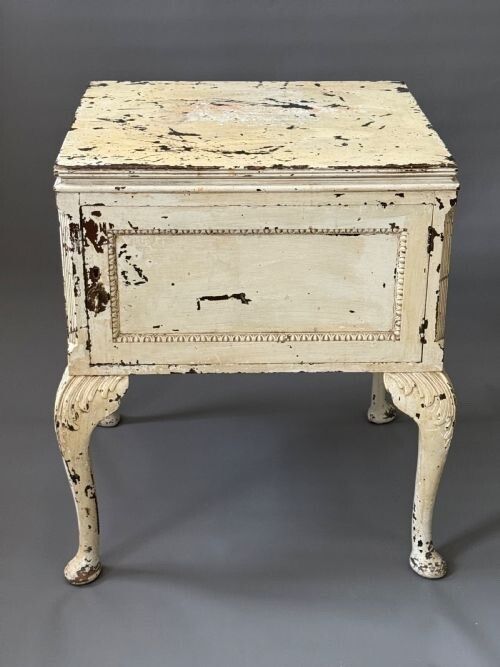
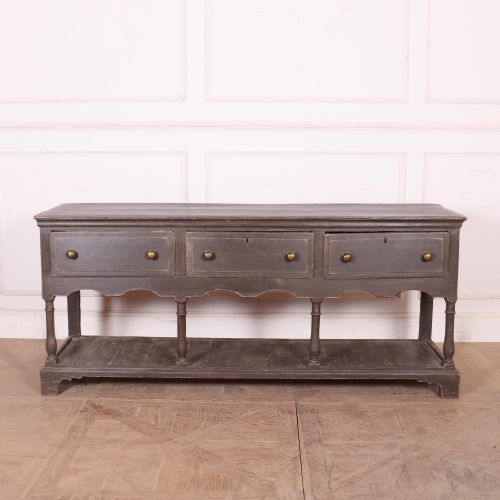
Side tables and serving tables predominate alongside smaller occasional pieces, many finished with decorative painted surfaces rather than bare wood. These items serve today as accent furniture in halls, drawing rooms, and bedrooms, retaining the proportions of earlier centuries while showing the decorative tastes of later periods.
How they were made
Constructed primarily from timber such as mahogany, satinwood, pine, and oak, these tables rely on solid carcases or supportive frames designed to take applied decoration. Cabinet makers shaped these woods into console, card, and lamp table forms using traditional joinery methods suited to the period of origin.
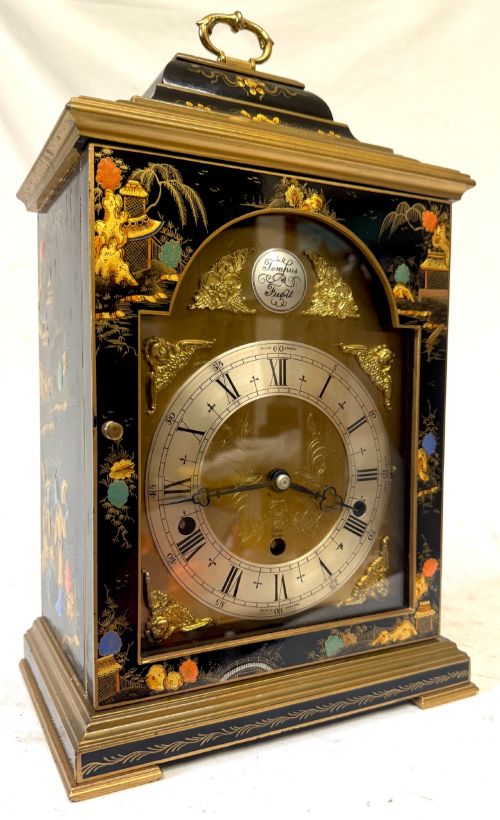
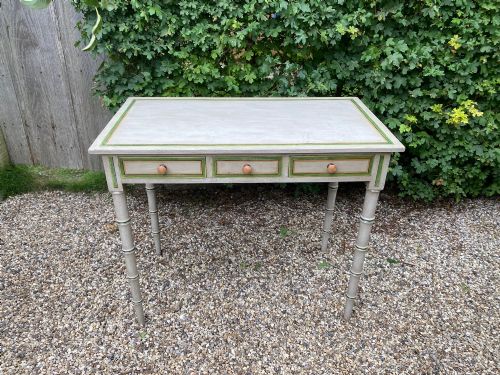
Surfaces were prepared and finished with paint, lacquer, or gilding, often featuring detailed hand-painted motifs, faux bamboo turnings, or simulated graining. Artisans applied layers of pigments and protective coats to create satinwood finishes, Chinoiserie scenes, or neoclassical details that defined the decorative style of the piece.
The furniture forms include console tables, side tables, card tables, dresser bases, and occasional lamp tables.
What varies in quality
Quality rests upon the crispness of the timber construction and the hand of the decorator who applied the painted finish. Tables built with well-proportioned demi-lune frames or solid supporting pillars show superior cabinet-making pedigree.
The refinement of the painted decoration separates standard decorative items from finer works. Detailed brushwork, balanced composition in motifs like Chinoiserie or neoclassical urns, and the harmonious integration of paint with the underlying wood determine the visual success of the piece.
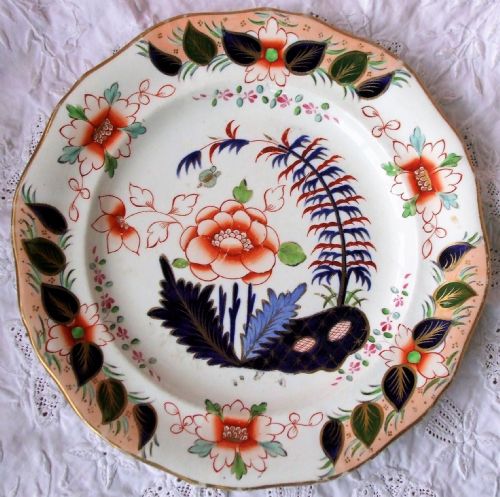
John Davenport of Longport
The Georgian Style Painted Table Glossary
- Demi-lune
- Half-moon shape, commonly applied to console tables and serving tables designed to sit flush against a wall.
- Chinoiserie
- European decorative style inspired by Chinese artistic traditions, featuring lacquered surfaces and painted Oriental scenes.
- Satinwood
- A durable, yellowish timber prized for its smooth grain, frequently used in high-status eighteenth and nineteenth-century furniture.
- Console table
- A table supported by wall brackets or console legs, built to display decorative objects in a hallway or drawing room.
- Sheraton Revival
- A late nineteenth and early twentieth-century design movement copying the lighter, classical furniture styles associated with Thomas Sheraton.
Georgian Style Painted Table: Frequently Asked Questions
Where should I place a console table?
Console tables fit well against walls in entrance halls, living rooms, or dining spaces where surface area is needed without blocking movement.
Their shallow depth allows them to sit comfortably in narrow spaces while holding lamps, mirrors, or decorative objects.
How do I care for painted furniture?
Keep painted tables away from direct sunlight and excessive moisture to protect the surface pigments and underlying timber from fading or cracking.
Dust gently with a soft dry cloth and avoid harsh chemical cleaners that can damage the historical finish.
What is a demi-lune table used for?
Demi-lune tables serve as functional accent pieces in reception rooms, often positioned against a wall beneath a mirror or painting.
Their semicircular design provides a compact surface for lamps and ornaments while maintaining an elegant silhouette.
Are these tables from the eighteenth century?
The selection spans multiple eras, including eighteenth-century originals, nineteenth-century pieces, and early twentieth-century revivals.
Each item reflects the construction techniques and decorative preferences of its specific period of manufacture.