
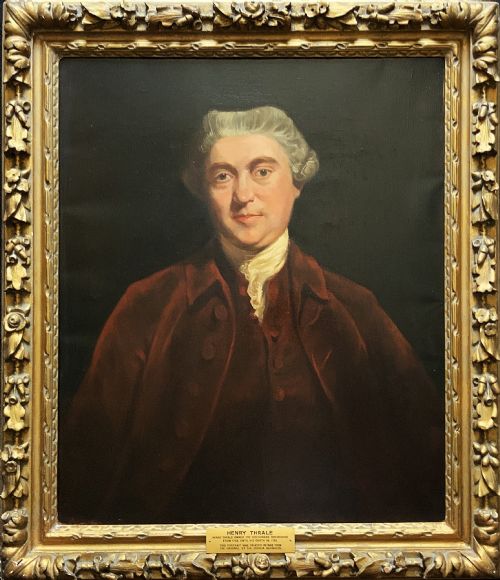
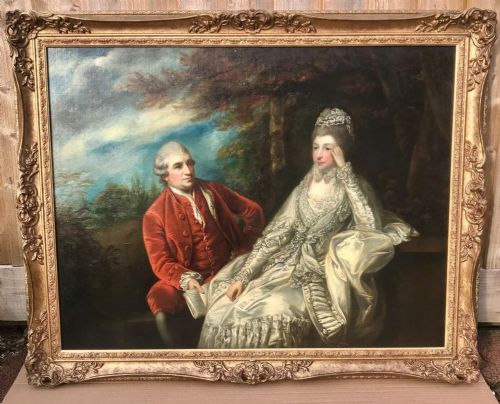
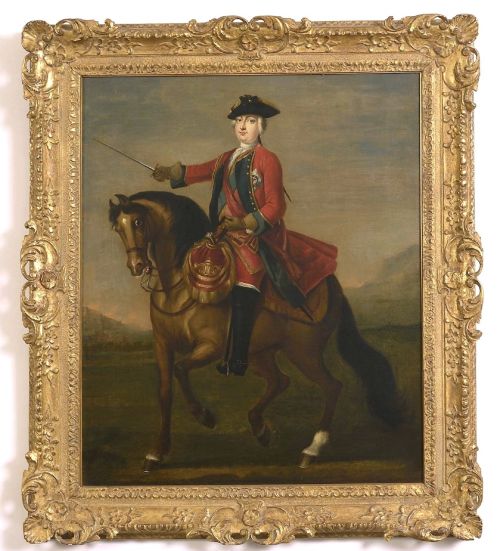
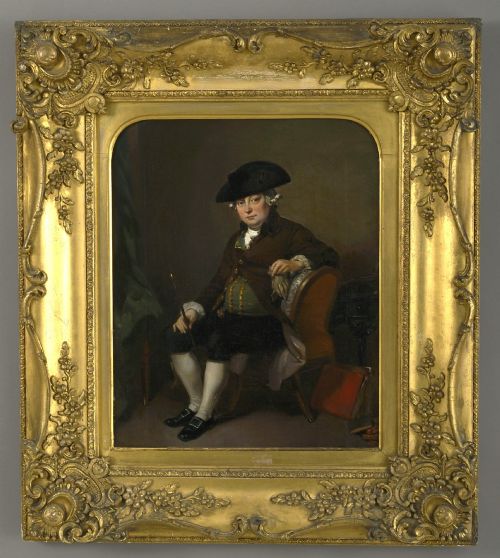
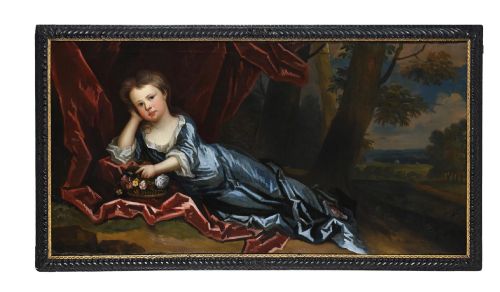
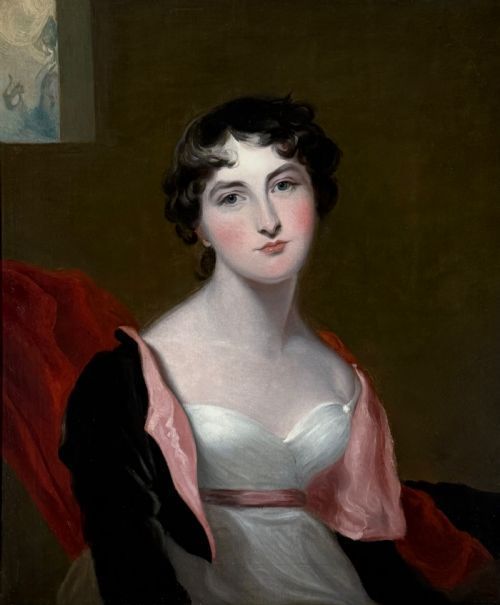
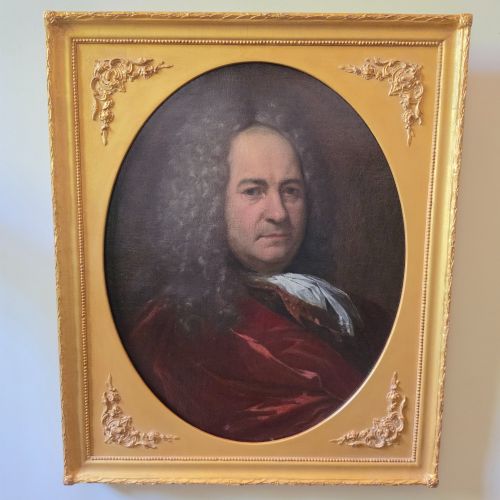
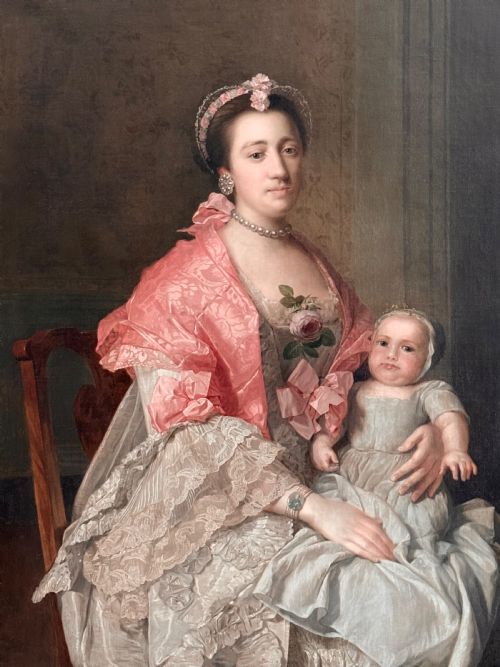
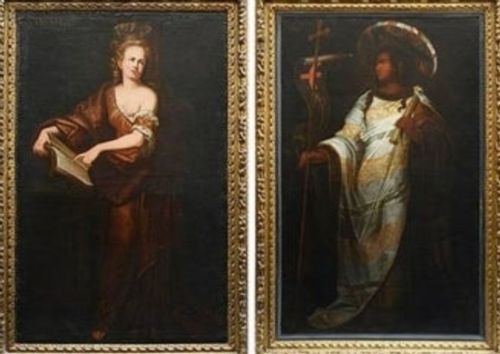
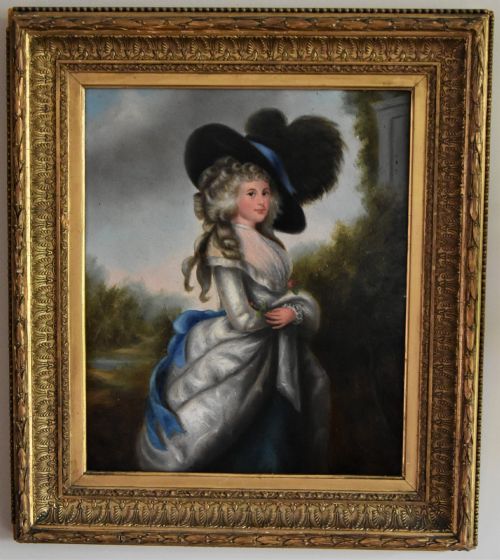
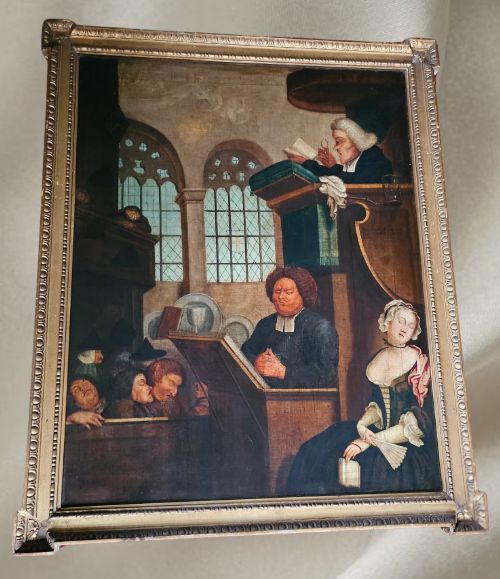
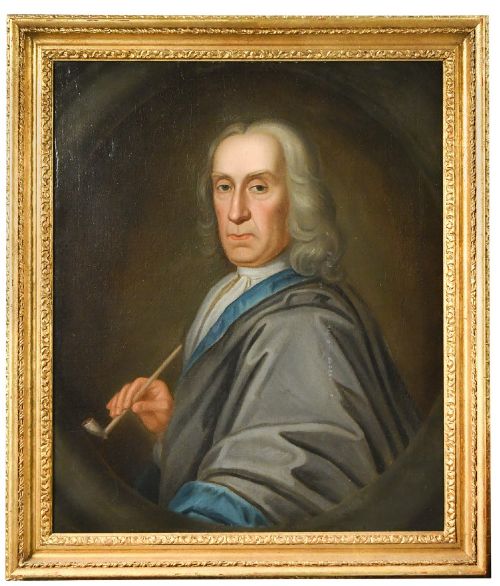
Georgian Style Oil Portrait
A georgian style oil portrait brings the gravity and presence of eighteenth-century portraiture into a room.
Georgian Style Oil Portrait
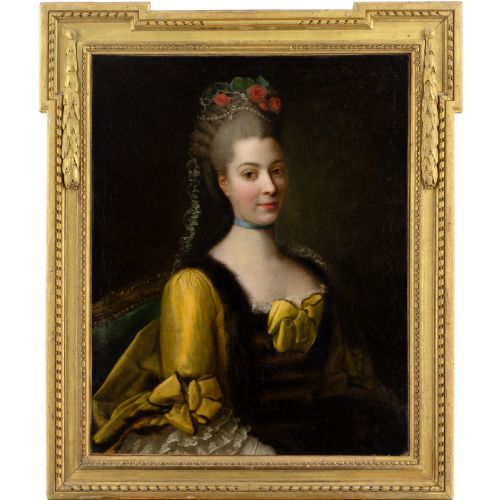
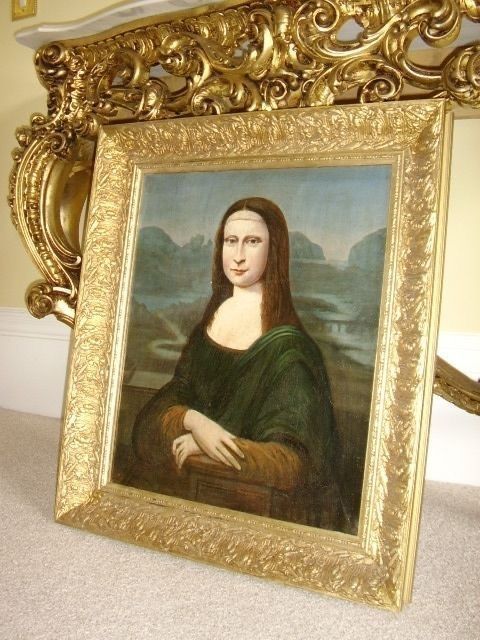
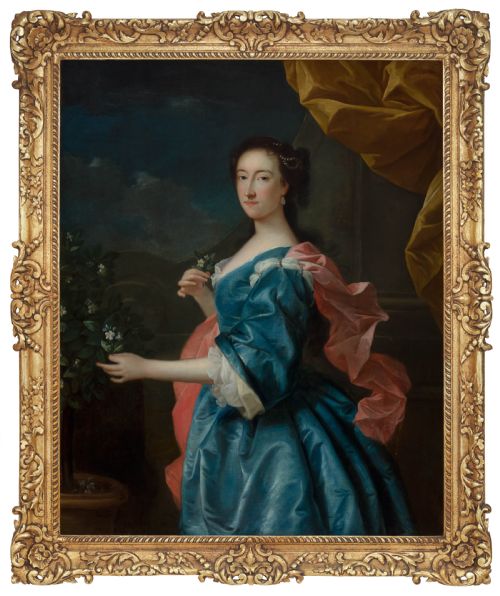
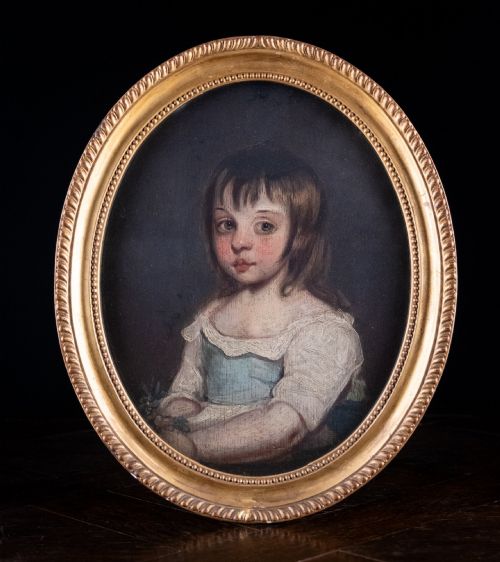
A georgian style oil portrait typically depicts figures from society, royalty, or family groups, rendered with the formal composure characteristic of the eighteenth century. These works appear in original period formats alongside later revivals, capturing sitters with attributes such as botanical elements or character costumes.
The selection ranges from works created during the eighteenth and nineteenth centuries to later interpretations executed in the mid-twentieth century. Buyers encounter both direct contemporary depictions of figures and canvases painted in the manner of established masters.
How they were made
Pigments in oil paint are applied to stretched canvas or occasionally wood panels, building up deep tones and luminous drapery through layered glazes. This traditional method allows the gradual modelling of flesh and fabric to create depth.
Surrounding presentation relies heavily on timber frames finished with gesso and giltwood or gilt wood, providing structural support and traditional ornamentation suited to formal portraiture.
Listings span the eighteenth century, nineteenth century, Victorian era, and 1960, utilising oil on canvas, gesso, and giltwood.
What varies in quality
The skill in rendering anatomical structure and facial expression distinguishes accomplished portraiture from simpler executions, particularly in the handling of hands and eyes. The confidence of brushwork in the drapery and background elements also signals the capability of the artist or studio.
The integration of the canvas with its frame affects the overall integrity of the piece, where period framing adds contextual weight to the work.
Sir Joshua Reynolds·Sir Thomas Lawrence·Allan Ramsay·Michael Dahl
The Georgian Style Oil Portrait Glossary
- Gesso
- A plaster mixture applied to wood frames as a base for gilding. This material is smoothed to receive gold leaf.
- Giltwood
- Timber coated with gold leaf or a gold-coloured finish. It provides the decorative border for many formal paintings.
- Circle of
- A designation indicating the artist worked closely alongside a master and shared their methods. It denotes proximity to a known workshop.
- Attributed to
- A term used when an expert judges a work likely to be by a specific hand based on stylistic evidence. It reflects a considered opinion without absolute certainty.
Georgian Style Oil Portrait: Frequently Asked Questions
How do I hang a large portrait?
Secure the frame directly into wall studs using appropriate fixings rated for heavy wooden and gilt frames. Position the centre of the canvas at approximate eye level to maintain correct visual balance in the room.
Ensure the wall space receives indirect natural light to protect the oil pigments from degradation over time.
Are these works original eighteenth-century pieces?
The selection includes authentic eighteenth-century canvases alongside nineteenth-century works and later twentieth-century pieces executed in historical styles. Checking the listed period and materials clarifies the exact age of each specific painting.
Studios across different eras frequently reproduced or imitated eighteenth-century portrait conventions for collectors.
What is the difference between studio work and a direct painting?
Studio works are produced by assistants or followers working under the guidance or within the sphere of a master painter. These pieces often share compositional elements and techniques with documented masterworks.
Direct paintings by the master carry individual nuances of touch that differ from collaborative or follower output.
How should I clean an oil on canvas?
Dust the surface gently using a soft, dry brush without applying pressure to the paint layer. Avoid using water, domestic cleaning solutions, or solvents on historical oil paintings.
Professional conservators should handle any removal of darkened varnish or accumulated grime.