
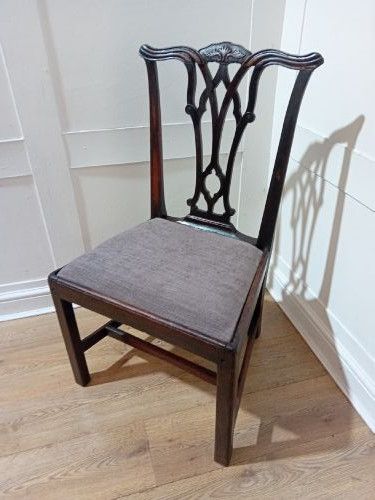
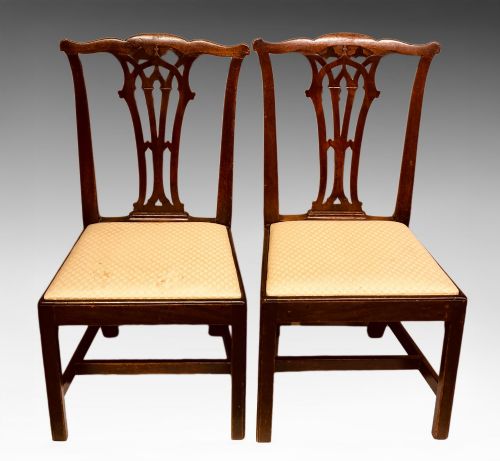
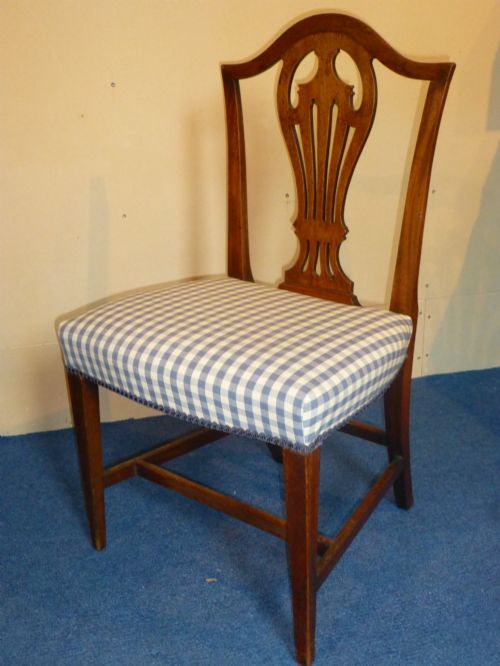
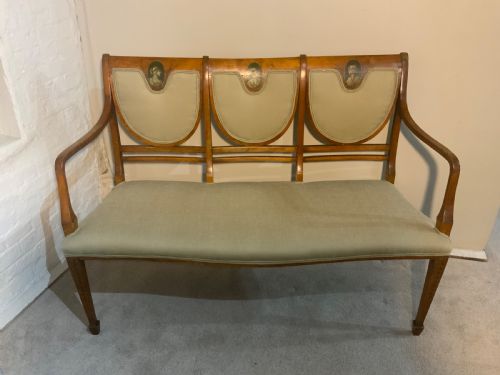
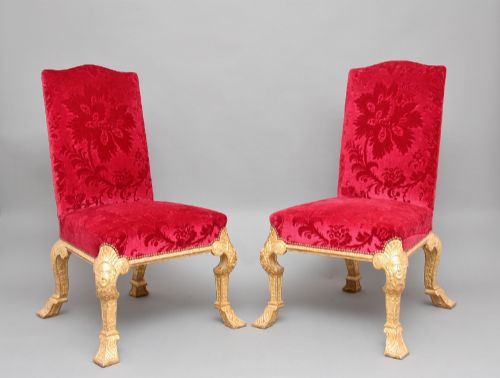
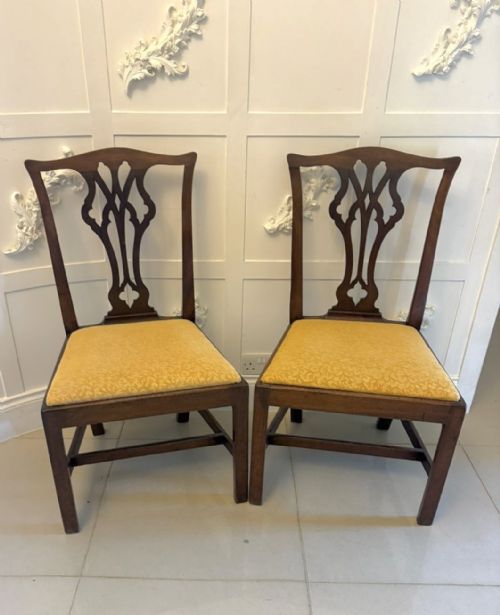


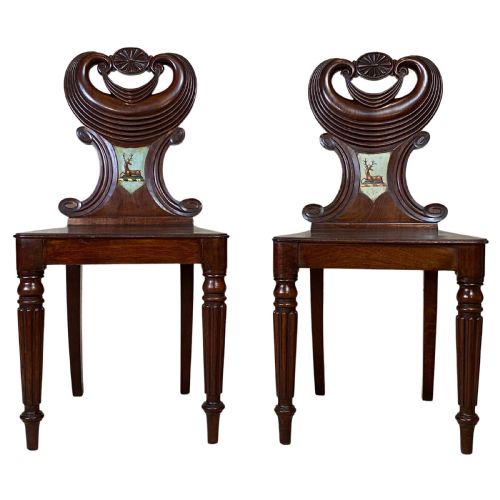


Georgian Style Hall Chairs
Georgian style hall chairs are sturdy wooden seating made for grand entryways, offering robust construction and bold painted or carved crests.
Georgian Style Hall Chairs
When you search for georgian style hall chairs, you encounter robust seating designed primarily for grand entryways and corridors rather than long periods of lounging. These pieces typically feature solid wooden seats and high carved backs, often displaying family crests or armorial bearings.
The selections span genuine 18th-century pieces alongside later revival interpretations from the 19th and early 20th centuries. Mahogany and oak dominate the surviving forms, frequently complemented by painted finishes and intricate shield or ladder backs.
How they were made
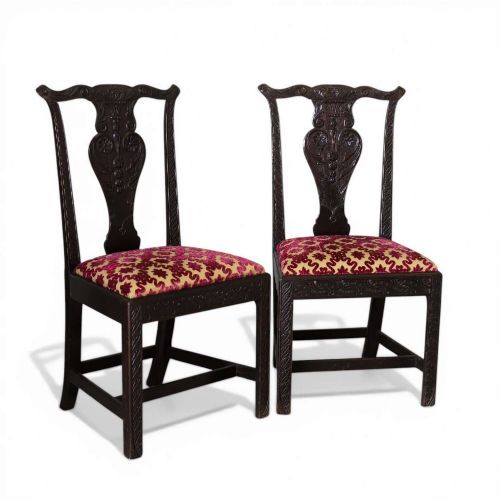
Cabinetmakers relied heavily on dense timbers such as mahogany, oak, fruitwood, and walnut, employing traditional mortise and tenon joinery to withstand heavy daily use. Surfaces often received detailed hand-carved motifs like Prince of Wales feathers or geometric inlay in satinwood.
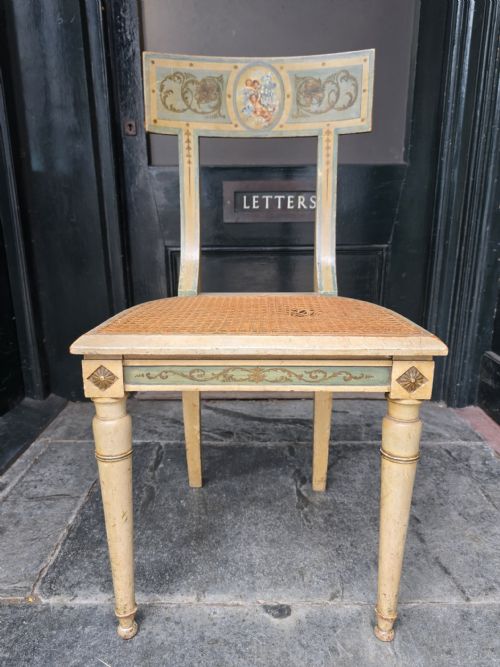
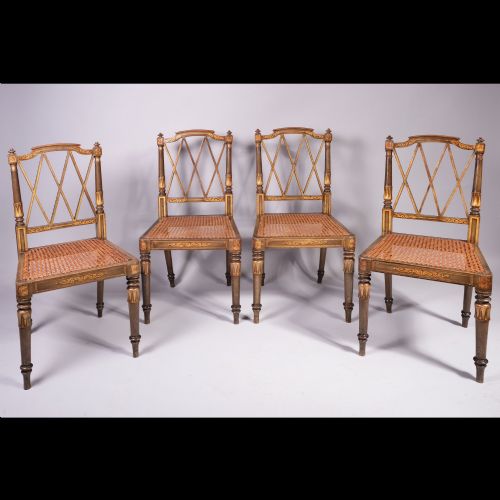
Some variations incorporate painted decoration directly onto the wood, while others utilise applied giltwood or cane inserts. Workshops also produced matching side chairs and settees using identical structural framing and timber selection.
Listings span genuine 18th-century examples through to 1920s revival pieces, utilising mahogany, oak, satinwood, and painted finishes.
What varies in quality
The distinction between standard examples and superior pieces rests largely on the crispness of the hand-carving and the choice of timber figure. Deeply undercut relief work on crest rails and arms indicates skilled craftsmanship.
Proportion and structural integrity also dictate worth, as heavier gauge timber and balanced joinery prevent wobble over centuries of movement. Original painted surfaces or distinct armorials elevate specific pairs above plain utilitarian seating.
Gillows
The Georgian Style Hall Chairs Glossary
- Hall chair
- A rigid wooden seat intended for an entrance hall, lacking upholstered padding to discourage lingering. These often feature solid wooden seats and carved armorial backs.
- Shield back
- A chair back shaped like a classic heraldic shield, popular in late 18th-century designs. This style often incorporates carved drapery or feather motifs.
- Armorial
- A painted or engraved family crest displayed prominently on the chair back. Such markers denoted the specific lineage or estate of the original owner.
- Satinwood
- A lustrous tropical timber used for contrasting inlay and decorative banding. It provides a pale, golden contrast against darker woods like mahogany.
- Gillows
- A renowned cabinetmaking firm operating in Lancaster and London. Their documented output commands attention for precise construction and classic proportions.
Georgian Style Hall Chairs: Frequently Asked Questions
Where were hall chairs placed?
These chairs stood near front doors and in large entry corridors where guests waited before being received. Their upright wooden construction discouraged lingering.
They also lined hallways to display family crests and status to visitors upon entry.
Are these chairs comfortable to sit on?
Most historic hall chairs feature solid wooden seats without upholstery, designed for short periods of waiting. Their primary function was visual impact rather than lounging comfort.
Later revival versions occasionally incorporated cane panels or slight contours into the wooden plank.
How do I spot a revival piece?
Revival items often date from the late 19th or early 20th century and utilise machine tooling alongside hand finishing. Timber patination and secondary woods inside the frame help reveal the true manufacturing era.
Comparing construction methods to documented 18th-century pieces clarifies the timeline.
What is an armorial hall chair?
An armorial chair displays a painted or carved family crest upon the wooden back panel. These bespoke details identified the specific household.
Such heraldic markers were commissioned for grand country houses and official civic buildings.