





Wooden Foyer Chairs
These wooden foyer chairs are striking architectural seats designed for grand entrances, offering stately presence and enduring utility.
Wooden Foyer Chairs
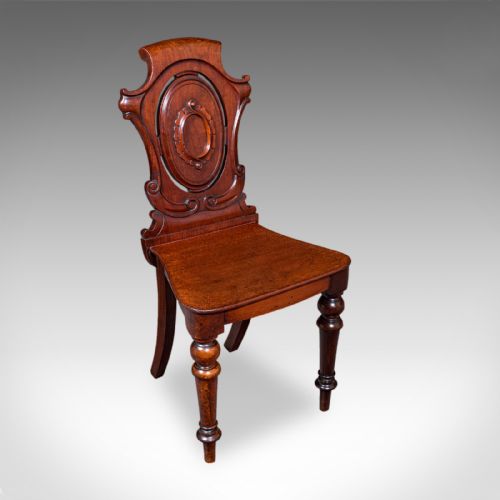
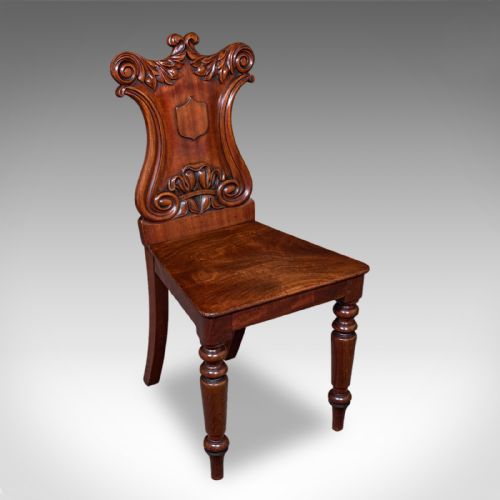
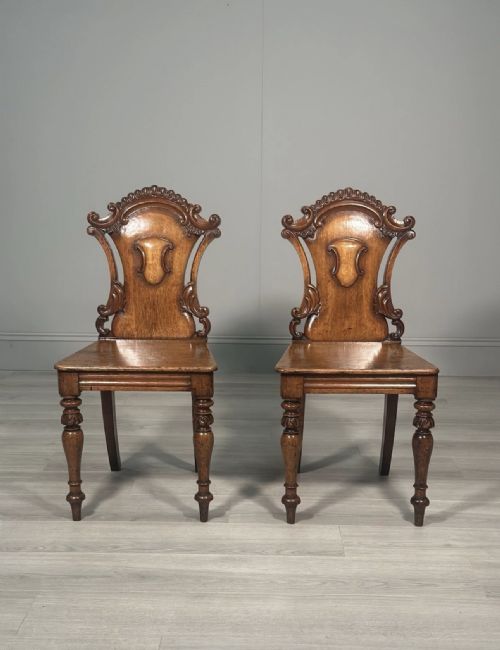
Wooden foyer chairs are substantial seating pieces traditionally placed in hallways and reception spaces to impress visitors upon arrival. These items frequently appear as hall chairs, side seats, and reception seats originating from the Regency and Victorian periods.
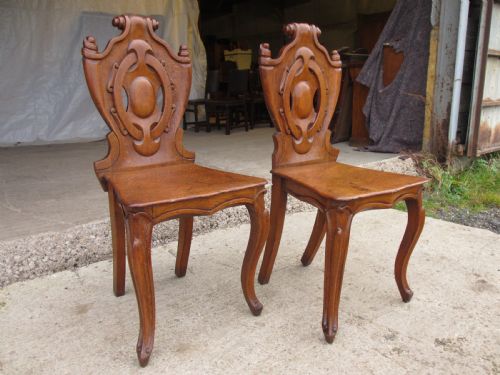
Makers utilise traditional hardwoods to produce these formal seats, with mahogany, walnut, and oak dominating the available pieces. Cabriole legs and elaborate carved detailing distinguish the more ornate Victorian iterations from simpler forms.
How they were made
Joiners and cabinet makers constructed these seats using dense hardwoods including mahogany, walnut, and oak to withstand heavy daily use in busy entranceways. Timber selection prioritized straight-grained stock for structural integrity in upright frames and solid wooden seats.
Carving technique defines the ornamentation, with craftsman executing deep relief work on shields, pelta backs, and cabriole legs. Wood surfaces received hand-rubbed finishes that highlighted the natural grain and colour of the mahogany and walnut timbers.
Scottish provincial workshops produced several of the walnut reception seats currently catalogued.
What varies in quality
The depth and crispness of the timber carving separate standard production items from exceptional commissions. Sharply defined relief work on shield and pelta backs demonstrates superior workshop capability.
Timber selection and matching grain across pairs and sets dictate the visual harmony of the finished pieces. Superior examples utilise high-figured mahogany and richly patinated walnut that improve in appearance over time.
Holland & Sons
The Wooden Foyer Chairs Glossary
- Hall chair
- A rigid wooden seat designed for an entrance hall or corridor rather than comfortable lounging. These pieces typically feature solid timber seats and decorative carved backs displaying family crests or cyphers.
- Shield back
- A chair back shaped in the outline of a heraldic shield. This classical form gained immense popularity during the Georgian and Regency eras.
- Pelta back
- A chair back designed in the shape of an ancient Greek crescent-shaped shield. This distinctive stylistic motif appears on nineteenth-century seating.
- Cabriole leg
- A furniture leg that curves outward and then tapers inward, inspired by the shape of an animal's leg. This form became a staple of Victorian revival styles.
- Regency
- A British architectural and decorative period spanning the early nineteenth century. Furniture from this era is characterised by neoclassical restraint and clean classical lines.
Wooden Foyer Chairs: Frequently Asked Questions
What are wooden foyer chairs used for?
These firm wooden seats served visitors waiting briefly in grand entrance halls and reception rooms. Today they function as striking architectural accents in modern corridors and hallways.
Their upright proportions ensure they occupy minimal floor space while making a strong visual statement. Collectors often utilise them as decorative side seats rather than for daily lounging.
How do I date a Victorian hall chair?
Examination of the timber species, joinery methods, and carved motifs provides reliable chronological markers. Early examples lean towards Regency classical restraint, while later Victorian pieces show heavier revival carving.
Cabinet makers working in different decades applied distinct decorative vocabularies to the solid wooden backs. Comparing the carved details against documented pieces helps narrow down the decade of production.
Are these chairs comfortable to sit on?
Wooden foyer chairs feature rigid solid timber seats and upright backs designed for short-term seating. They prioritised architectural presence and durability over cushioned comfort for guests.
Their sturdy construction suits brief sitting in hallways rather than relaxed lounging in living spaces. Adding a loose squab cushion can soften the seat if required for daily use.
How do I care for antique hall chairs?
Maintaining these wooden pieces involves regular dusting with a dry cloth and occasional application of quality beeswax. Avoiding direct sunlight and sudden temperature changes protects the antique timber and finish.
Proper humidity levels in the room prevent the wood from drying out and splitting. Gentle handling preserves the original patination and carved surface details.