


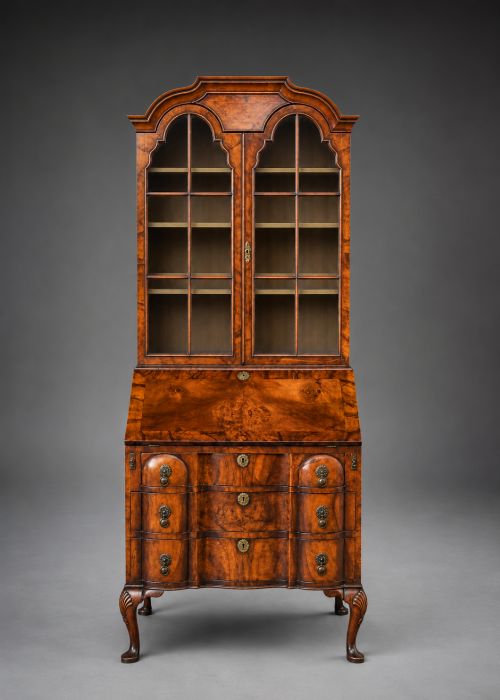
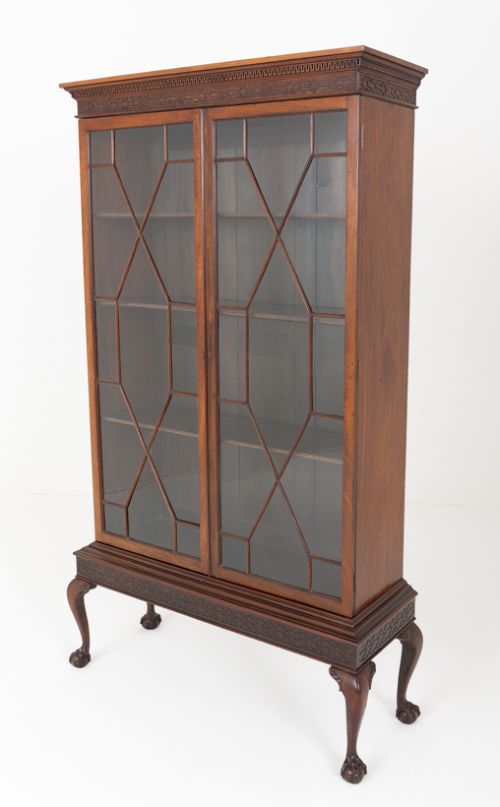
Georgian Style Glazed Bookcase
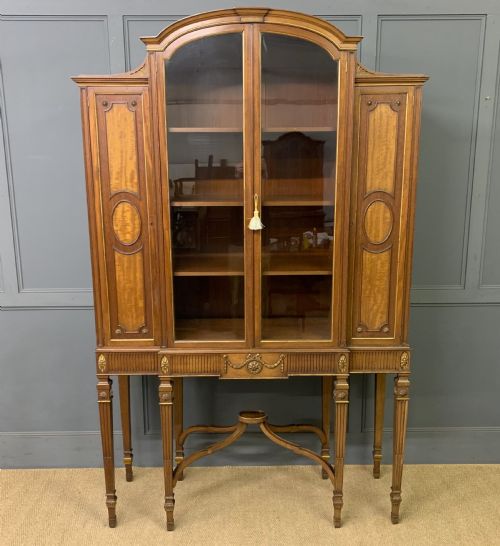
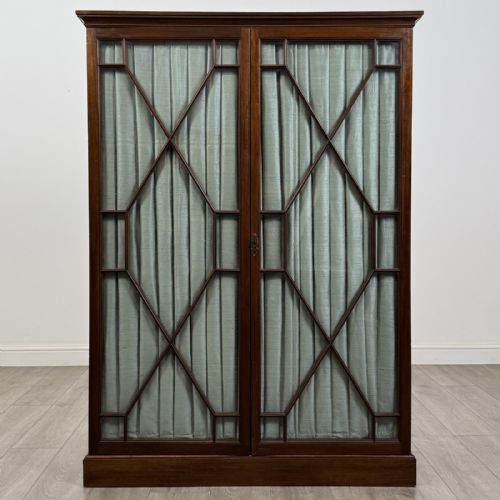
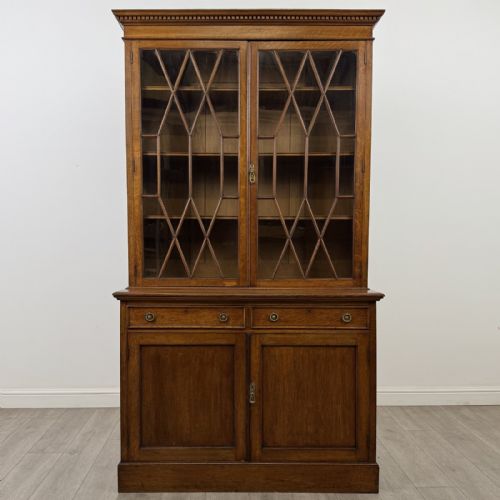
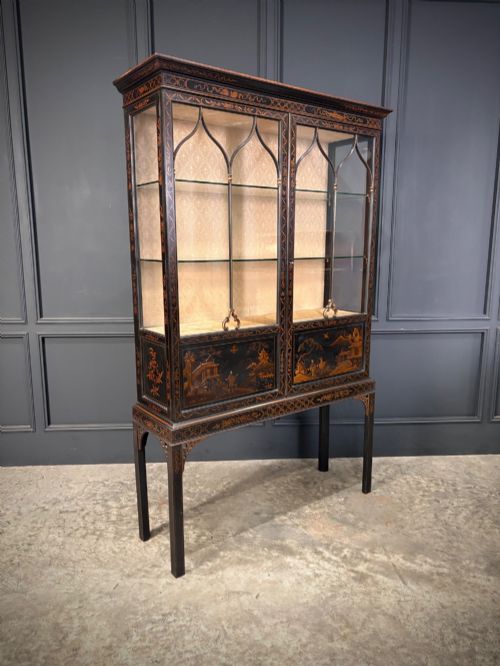
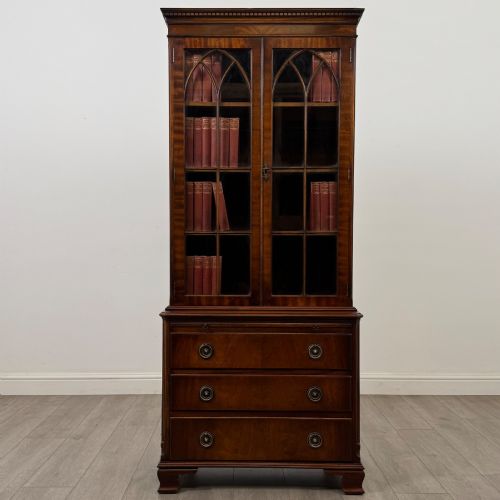
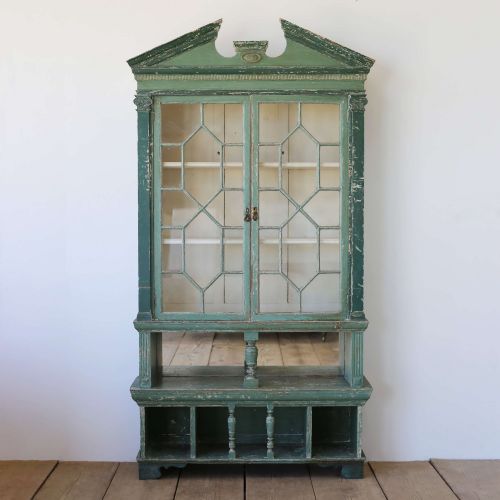
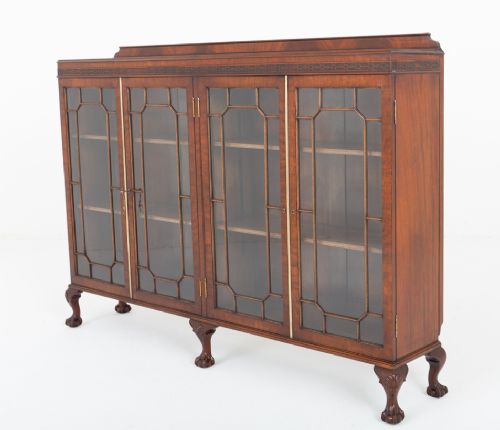
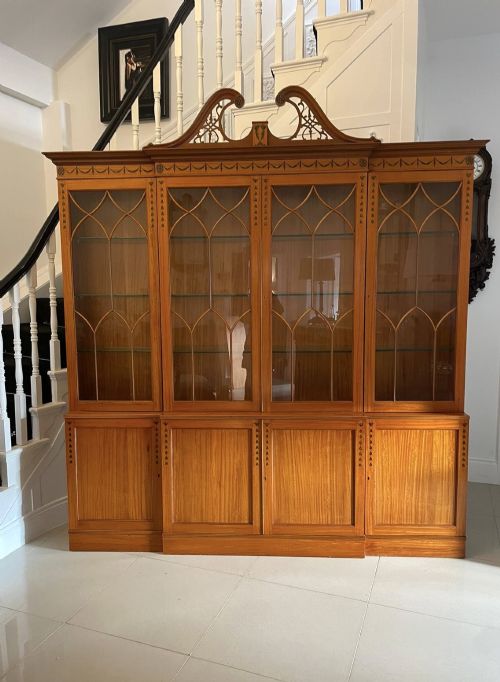
These pieces are a georgian style glazed bookcase, built to display volumes behind glass fronts with the proportion associated with eighteenth-century furniture.
Georgian Style Glazed Bookcase
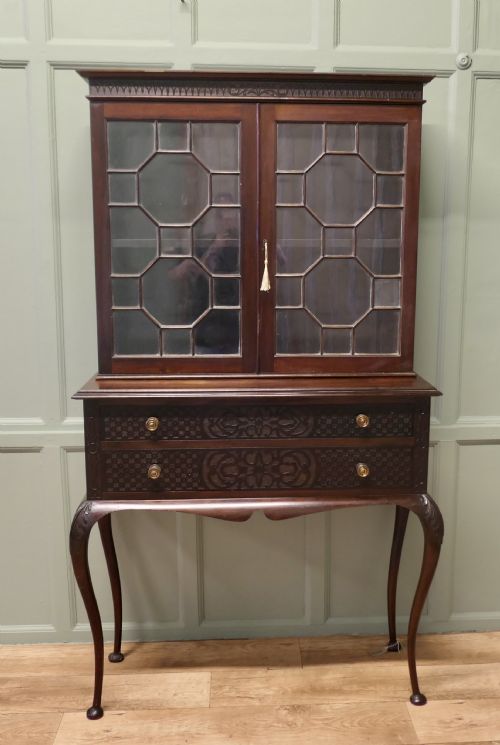
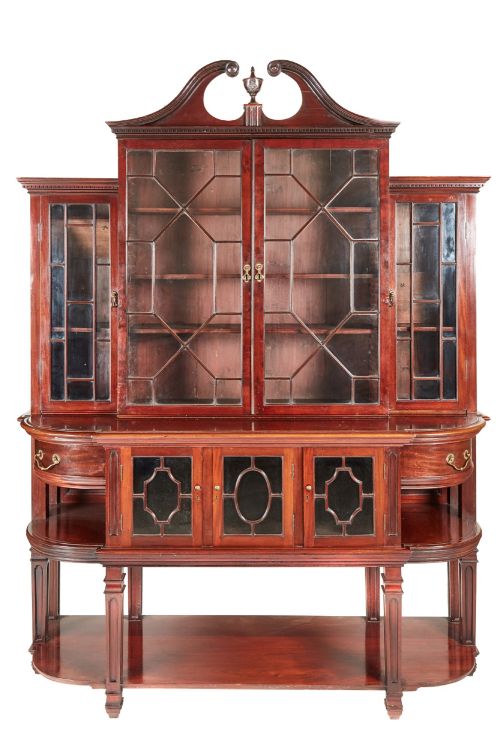
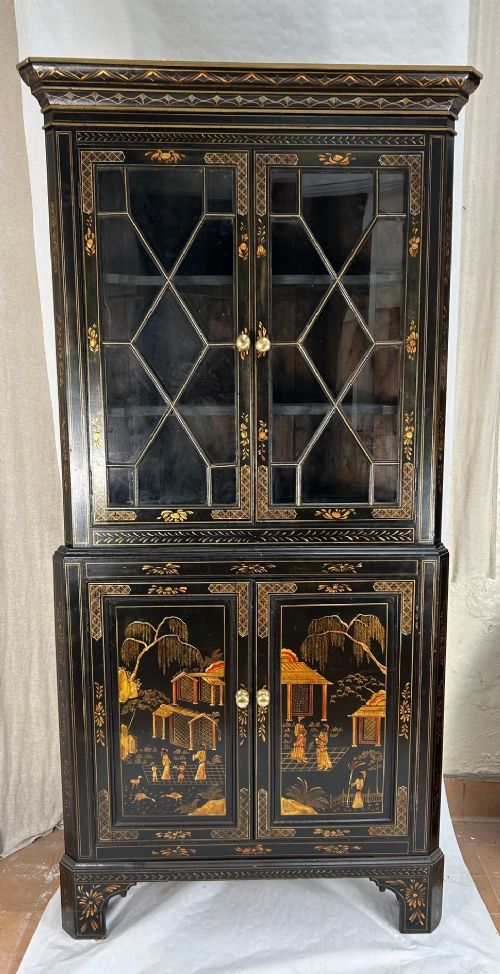
A georgian style glazed bookcase serves to house libraries and display collections within domestic interiors. The forms on this page range from compact bureau bookcases and corner cabinets to large breakfront library pieces and multi-door display units.
Most examples you will encounter draw upon eighteenth-century proportions through subsequent revival periods. Pieces span the Georgian era itself, the nineteenth century, and later revivals from the Edwardian period through to nineteen-thirty.
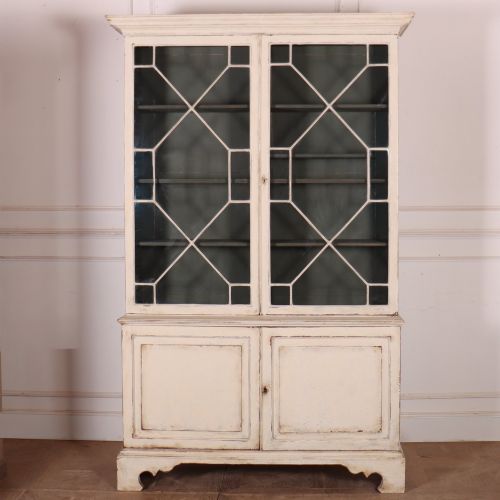
The layout typically pairs a glazed upper cabinet with lower wooden doors, drawers, or a drop-front writing desk. Smaller variations include miniature samples and side cabinets designed for constrained spaces.
Materials and construction
Makers relied primarily on mahogany, walnut, satinwood, and yew wood as foundational timbers. These hardwoods were frequently finished with polish, while select examples feature painted decoration, marquetry inlay, or lacquered surfaces.
Glazing takes several forms, utilising glass panes divided by wooden astragals, wire mesh, or brass fittings. Structural support is reinforced with brass hardware and occasionally fabric linings inside the display compartments.
One miniature bureau bookcase exists specifically as an apprentice furniture sample reduced to a quarter scale.
Elements of quality
Quality rests in the selection of timber figures, such as flame mahogany or figured satinwood, matched across large surfaces like breakfront doors. Cabinet-making standards show in the precision of the joinery and the refinement of carved details.
The execution of the glazing bars dictates much of the visual success. Finer pieces employ slender, hand-formed astragals that create balanced geometric patterns across the glass.
Maple & Co·S&H Jewell·Tudor & Burrey·William Kent
The Georgian Style Glazed Bookcase Glossary
- Astragal
- A small convex moulding, often used in cabinetry to divide panes of glass in a door or window. These bars structure the visual weight of the upper cabinet.
- Breakfront
- A piece of furniture whose central section projects forward from the flanking sides. This architectural arrangement creates depth and breaks up long elevations.
- Bureau bookcase
- A combination form featuring a sloping writing flap above drawers, surmounted by a shelving cabinet. The interior contains small compartments for stationery.
- Secretaire
- A desk or cabinet containing a pull-out writing drawer or fall-front panel. It conceals pigeonholes and small drawers for correspondence.
- Marquetry
- Decorative veneer work forming pictures or patterns from thin pieces of wood, shell, or ivory. It adorns the primary display surfaces of select cabinets.
Georgian Style Glazed Bookcase: Frequently Asked Questions
How do I spot a true Georgian piece?
Authentic period examples exhibit construction traits typical of eighteenth-century joinery, such as hand-cut dovetails and native timber usage. They carry the patination accumulated over centuries of continuous domestic use.
Later revival pieces built around nineteen-hundred often replicate these forms accurately but betray their manufacture through standardised machine-cut elements and modern secondary woods.
What is an astral glazed door?
This term refers to cabinet doors fitted with wooden glazing bars, often called astragals, that divide the glass into individual panes. The arrangement supports the large glass sheets securely while adding decorative geometry.
Designs range from simple rectangular panes to intricate gothic arches and intersecting curves associated with Chippendale and Sheraton styles.
Where should I place a breakfront bookcase?
Breakfront bookcases require substantial wall space due to their projecting central section and generous width. They function best in principal rooms with high ceilings where their architectural presence can be appreciated.
Ensure the room humidity remains stable to protect the dry hardwoods and delicate veneered surfaces from splitting.
Can these hold heavy modern books?
The interior shelving is typically adjustable on wooden bearers or peg supports, designed originally for leather-bound volumes. Most historical shelves handle standard book weights adequately.
For exceptionally heavy modern folios, check the depth and thickness of the individual timber boards before loading.