
Georgian Style Box
When you search for a georgian style box, you step into a world of mahogany caddies, silver trinkets, and fitted writing slopes built to keep valuables secure.
Georgian Style Box
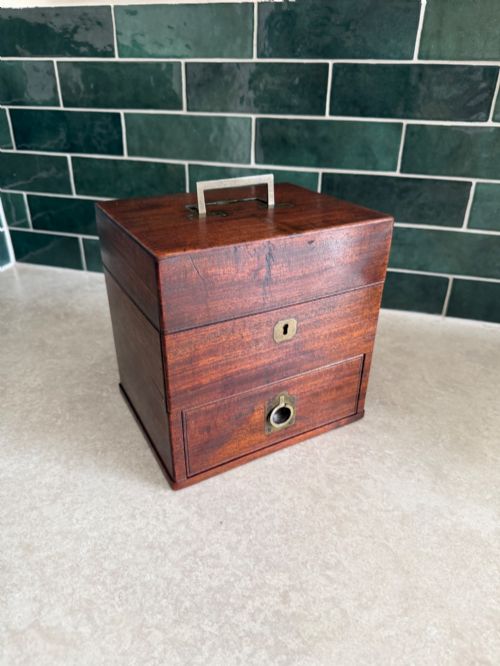
A georgian style box encompasses a range of small storage containers, from tea caddies and snuff boxes to writing slopes and stationery cabinets. These pieces echo the proportions and decorative motifs of the eighteenth century, though many date from later revival periods.
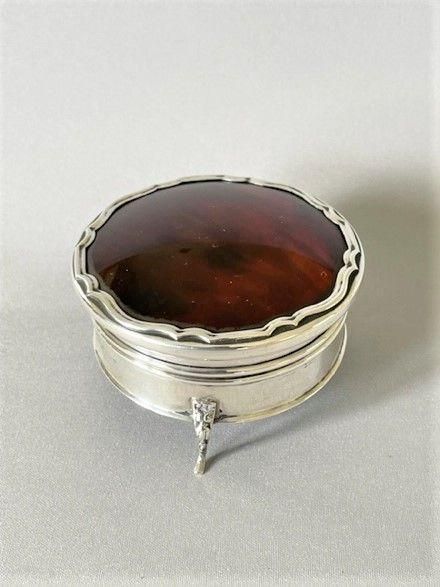
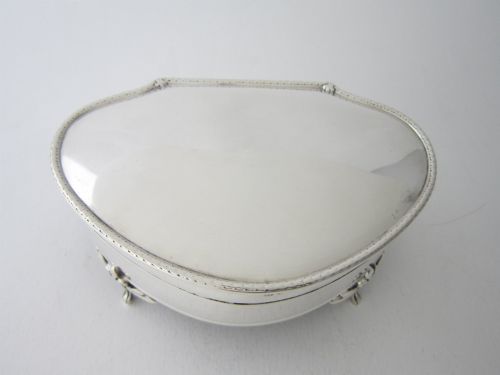
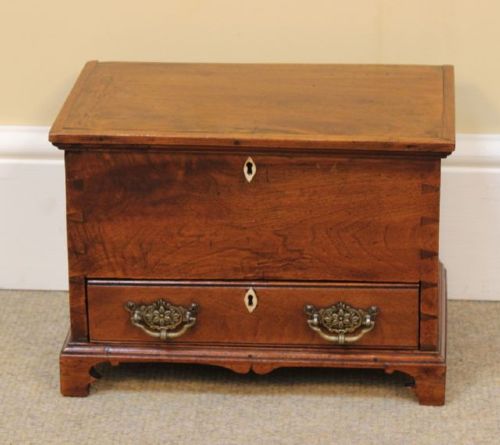
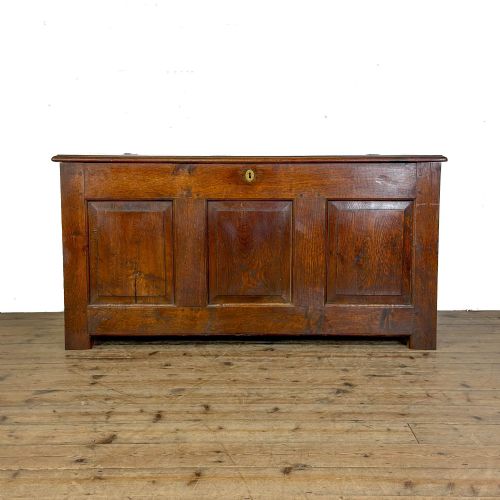
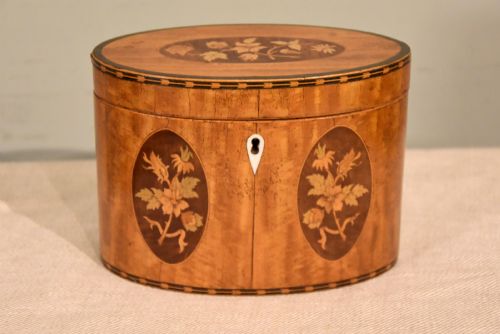
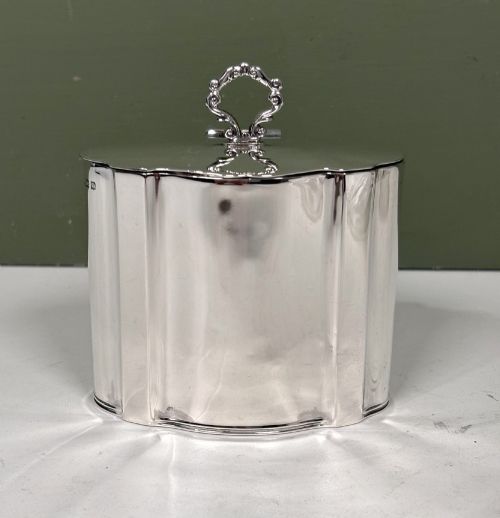
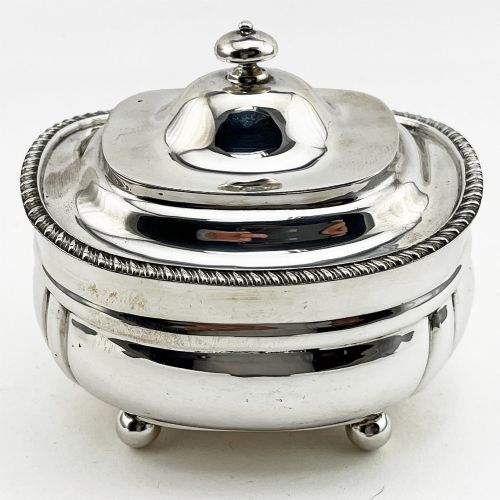
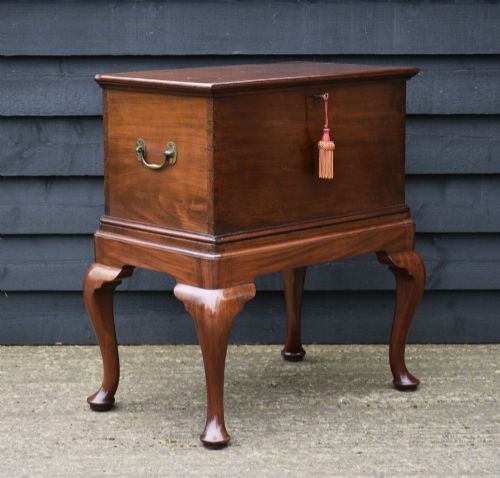
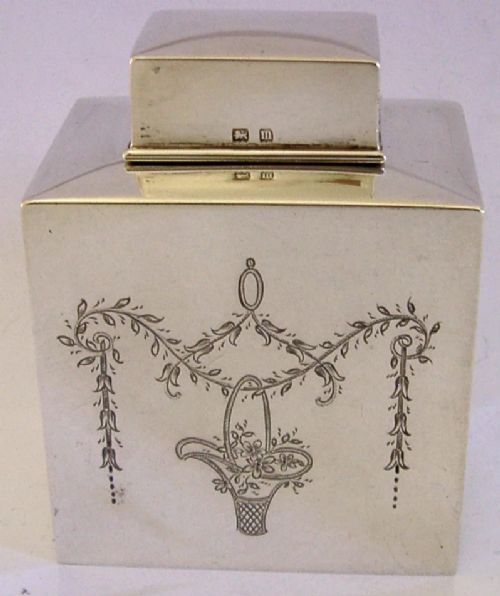
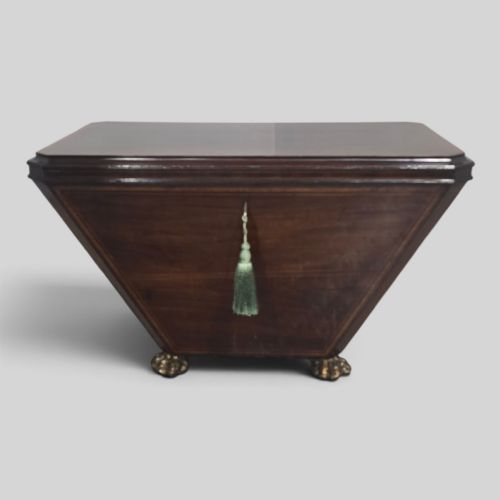
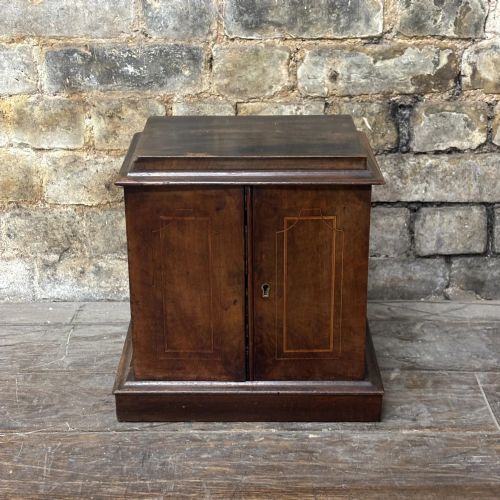
The versions most frequently met on this page include mahogany tea caddies featuring satinwood or boxwood inlay, alongside silver trinket boxes and oak coffers produced across the nineteenth and early twentieth centuries.
Materials and Construction
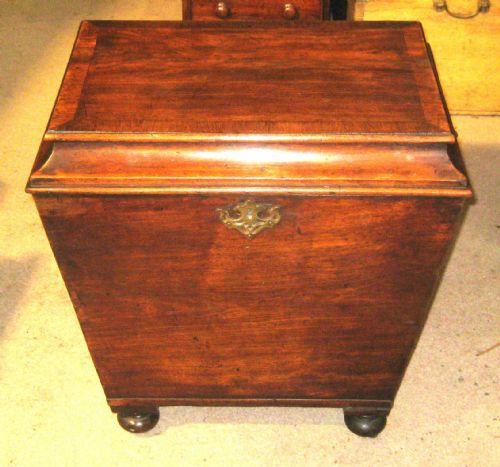
Cabinet makers relied heavily on timber like mahogany, satinwood, and oak, often enhancing surfaces with contrasting stringing or butterfly inlays in boxwood and harewood. Brass handles, escutcheons, and mounts provide structural reinforcement and functional detail.
Silversmiths utilised sterling silver and silver plate for smaller receptacles such as dressing table boxes and caddies, frequently incorporating hallmarks that anchor the manufacture to specific years and assay offices.
A prisoner of war carved bone domino set sits among the wooden chests, proving that even captivity could not stifle miniature craftsmanship.
Distinctions in Quality
Quality rests in the precision of the joinery, the selection of timber figures, and the crispness of any inlaid marquetry. Finer examples maintain original brass hardware, working locks with keys, and intact interior compartments rather than modern replacements.
The integrity of the construction dictates the tier of the piece; superior items display seamless mitres and thoughtful grain matching across the lid and sides.
Edwards and Roberts·Mappin and Webb·Zimmermann·Marson and Jones
The Georgian Style Box Glossary
- Tea Caddy
- A box designed to store loose tea leaves, often featuring internal compartments or mixing bowls. These containers were kept locked to protect expensive eighteenth-century tea.
- Writing Slope
- A desk accessory with a hinged, slanted lid that opens to reveal a flat writing surface, inkwell slots, and secret drawers. They were built for travel or domestic correspondence.
- Inlay
- A decorative technique where pieces of contrasting wood, such as satinwood or boxwood, are inserted into recessed cavities in the primary timber surface to create patterns.
- Mule Chest
- A storage chest featuring one or more drawers beneath the main lift-top compartment, combining the utility of a coffer with that of a small chest of drawers.
- Sterling Silver
- An alloy of silver containing ninety-two point five percent pure silver and seven point five percent other metals, typically copper, used for luxury boxes and desk sets.
Georgian Style Box: Frequently Asked Questions
What is a georgian style box used for?
These boxes served various domestic purposes, from storing dry tea leaves and writing letters to housing jewellery, documents, and snuff. Their internal layouts often included specific compartments for bottles, papers, or small personal items.
Today, they function well on dressing tables, desks, or sideboards, offering enclosed storage for modern keepsakes while retaining their historic decorative appeal.
How do I date a georgian style box?
Dating relies on examining the timber species, construction methods, and any hallmarks present on silver mounts. Items bearing silver hallmarks can often be traced to specific years and assay offices.
Pieces made in the revival style often combine eighteenth-century aesthetic cues with nineteenth or twentieth-century manufacturing techniques, such as machine-cut dovetails or specific locking mechanisms.
Are these boxes made of solid wood?
Many boxes utilise solid hardwoods like mahogany or oak, particularly for structural elements, coffer lids, and sturdy furniture forms such as box settles. Other pieces employ timber veneers over secondary woods to display decorative grain patterns.
Examining the underside and interior reveals the construction method and helps differentiate between solid timber and veneered panels.
How should I care for a wooden box?
Keep wooden boxes away from direct sunlight and sudden temperature shifts to prevent the timber from warping or the veneer from lifting. Maintaining stable indoor humidity preserves both the wood and any delicate inlay work.
Apply occasional appropriate wax polish to nourish dry timber, avoiding heavy commercial sprays that can damage historic finishes.