

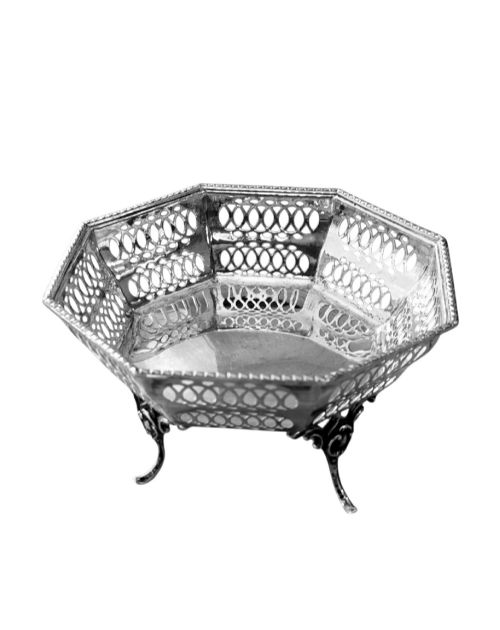
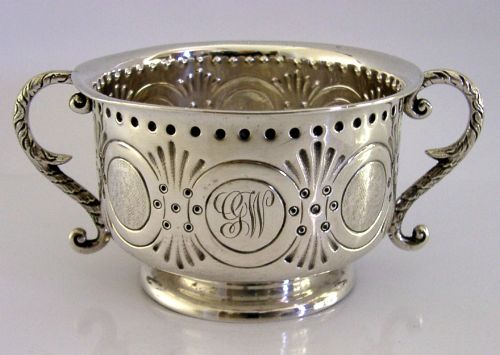
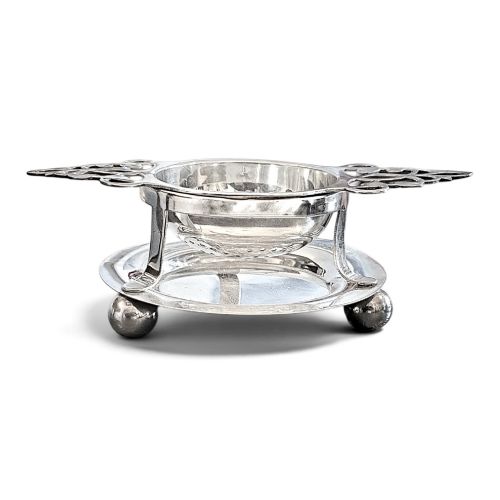
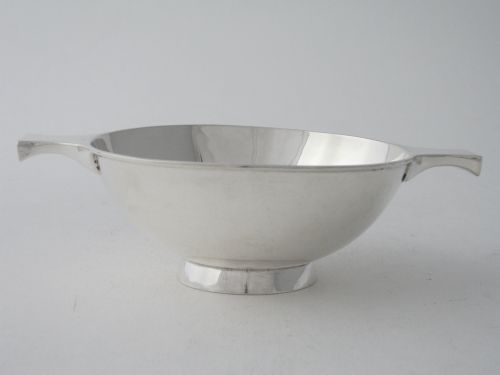




Georgian Style Bowl
A georgian style bowl brings classic proportions and refined design to a table, combining traditional craftsmanship with enduring decorative appeal.
Georgian Style Bowl
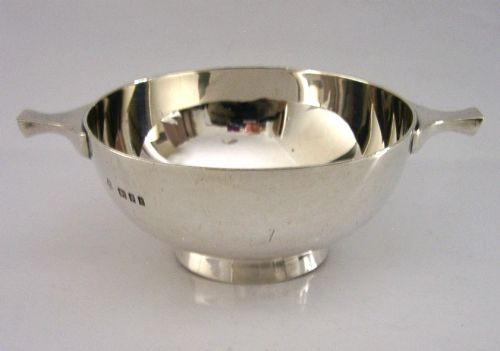
When you search for a georgian style bowl, you encounter pieces that echo the balanced forms and classical ornament of the eighteenth century. These items often appear in materials such as sterling silver, porcelain, and glass, reflecting the diverse ways later makers reinterpreted earlier aesthetics.
The selections span various periods including the nineteenth and twentieth centuries, demonstrating how Georgian design principles persisted long after the Georgian era itself closed. Forms range from decorative vessels to functional table elements, each carrying the architectural lines characteristic of the style.
Materials and construction
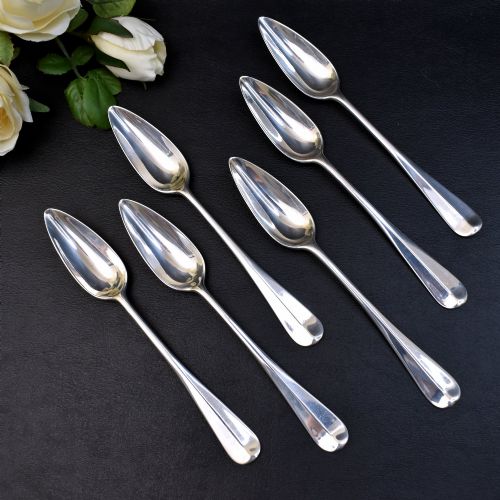
Makers utilised solid sterling silver, lead crystal, and ironstone china, shaping these durable materials through traditional smithing, moulding, and turning techniques. Silver items often feature pierced work or cast footed supports, while porcelain pieces employ hand-painted enamels and gold leaf.
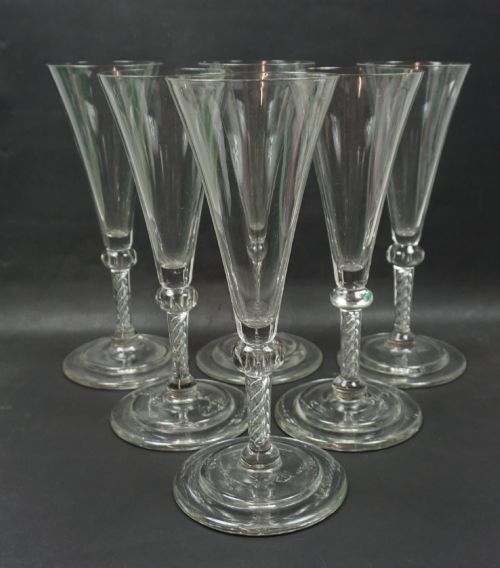
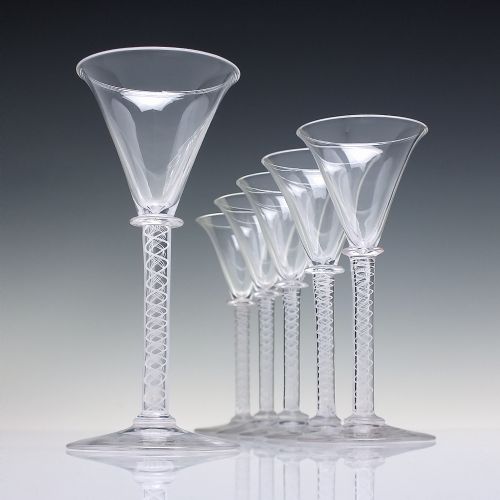
Wooden elements like mahogany appear as stands, complementing the metal and ceramic vessels with disciplined joinery. Glassware relies on optical effects such as air twists and opaque twists within the stem, requiring precise thermal manipulation during blowing.
Georgian Style Bowl Retail Price Guide 2026
Typical asking prices for georgian style bowl among the pieces listed under this phrase on Sellingantiques today, from the lower quarter to the upper quarter. They describe what is for sale here now, not the wider market.
Listings span multiple periods from the eighteenth through the twentieth century, highlighting enduring revivals of Georgian design across silver, glass, and porcelain.
Distinctions in quality
The standard of a georgian style bowl rests upon the crispness of its detail, whether in the precision of pierced silver lattices or the clarity of enamel painting on porcelain. Superior examples display deliberate weight in metalwork and careful proportion in form, rather than superficial decoration.
Material choice and finishing set the better pieces apart, showing refined handling of surfaces and secure assembly of components like foot rings and stands. The integrity of the materials, from sterling silver to lead crystal, determines how well the object maintains its presence.
Hammond Turner and Sons·Hamilton and Inches·Fenton·Chamberlain Worcester·George Fox·Coalbrookdale
The Georgian Style Bowl Glossary
- Ironstone
- A type of durable heavy earthenware patented in the nineteenth century to imitate Chinese porcelain. It provides a robust surface for tableware and decorative vessels.
- Sterling silver
- An alloy of silver containing ninety-two point five percent pure silver and seven point five percent other metals, usually copper. It serves as the primary metal for high-grade domestic wares.
- Air twist
- An optical effect within glass stems created by drawing elongated air bubbles through the molten metal before twisting. This technique produces delicate internal spiral patterns.
- Dish ring
- A decorative stand, often made of pierced silver, designed to hold a bowl or dish above a table surface. It originated in Ireland during the eighteenth century.
Georgian Style Bowl: Frequently Asked Questions
What is a georgian style bowl used for?
These vessels serve primarily as decorative centerpieces, serving dishes, or table accompaniments for presentation. Their classical forms suit both display and practical containment.
Historically, similar silver and ceramic bowls held fruit, sugar, or specialty foods during formal dining. Today they function equally well as standalone decorative objects or functional tableware.
How do I identify a georgian style bowl?
Look for symmetrical proportions, classical motifs such as gadrooning or piercing, and traditional materials like sterling silver, porcelain, or mahogany stands. The presence of hallmarks often clarifies the exact manufacturing period.
Many items matching this description date from later revivals in the nineteenth and twentieth centuries rather than the eighteenth century proper. Checking maker marks and construction methods helps establish the true era of production.
How do I care for silver and ceramic bowls?
Silver pieces require occasional gentle cleaning with appropriate polishes to maintain their finish without removing fine details. Ceramic and glass items benefit from careful hand washing in warm soapy water.
Avoid abrasive cloths or harsh chemical cleaners that can damage soft enamels, gold leaf, or aged metal surfaces. Proper storage away from direct sunlight protects vulnerable materials.
Where were these pieces made?
The items originate primarily from British workshops, including Scottish silversmiths and English potteries. Regional manufacturing centres specialised in distinct materials.
Cities such as Edinburgh and Sheffield developed specific traditions in silver and metalwork, while Worcester and other districts produced notable ceramics and ironstone wares.