
Georgian Style Arm Chair
When you search for a georgian style arm chair, you seek the enduring elegance and structural grace of eighteenth-century seating designed for parlour, library, and dining room.
Georgian Style Arm Chair
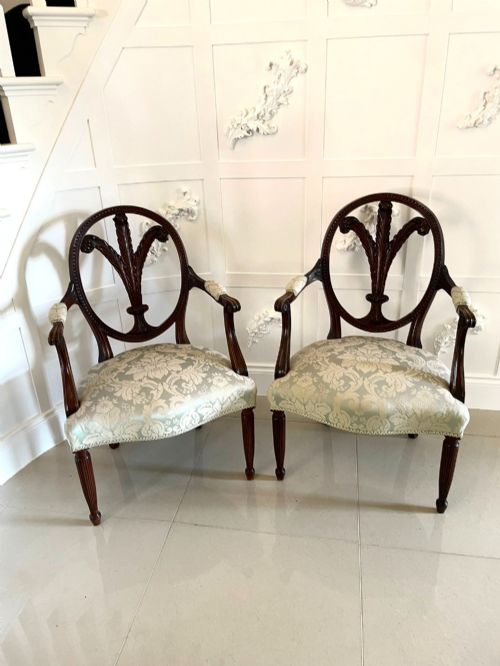
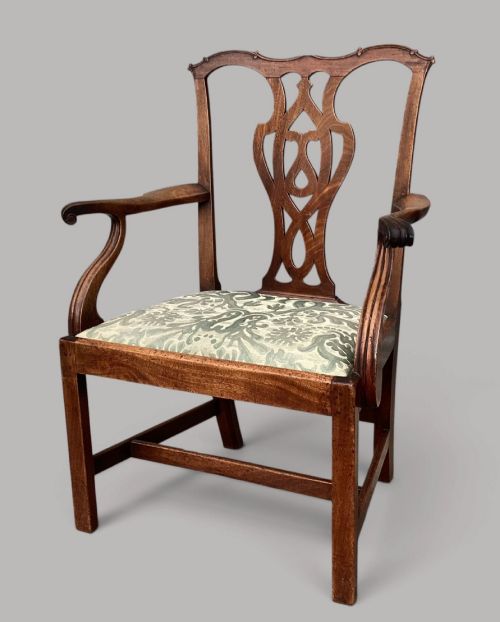
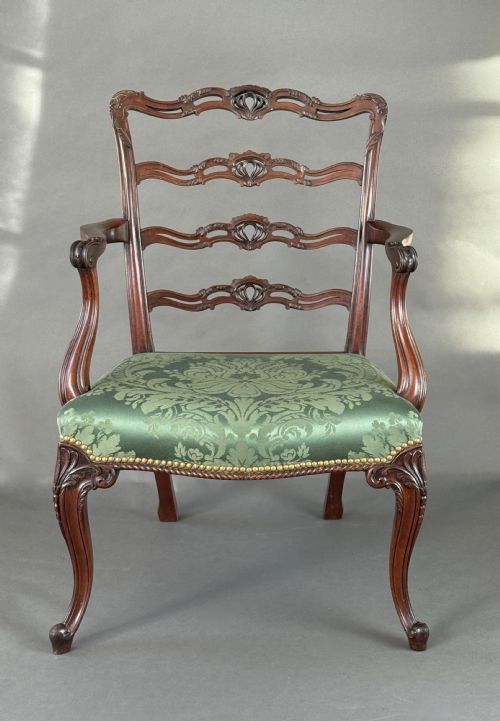
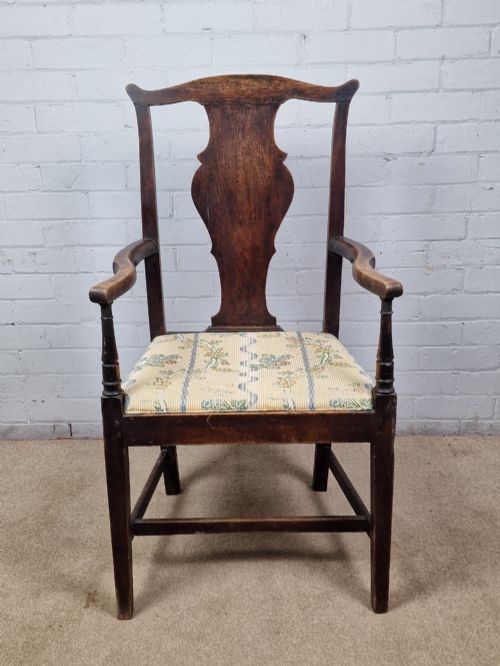
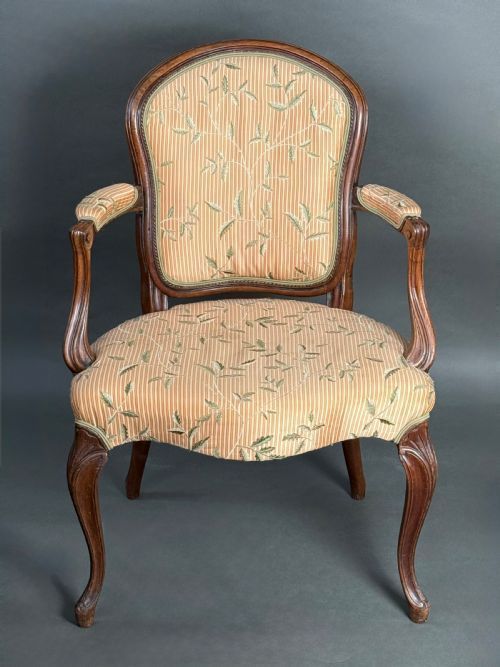
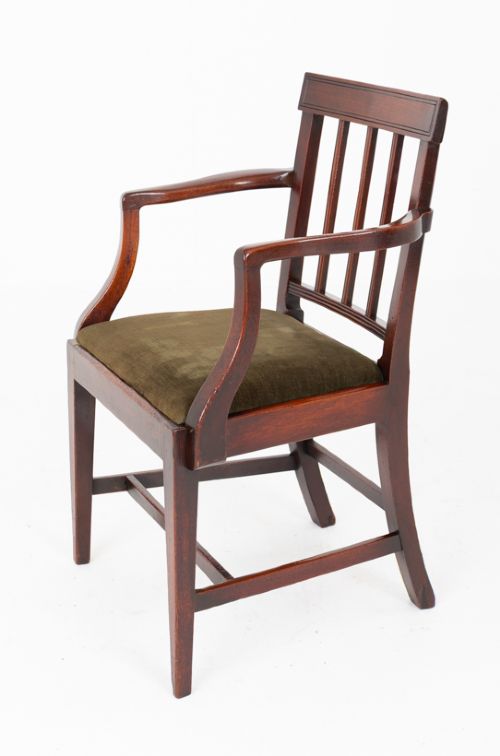
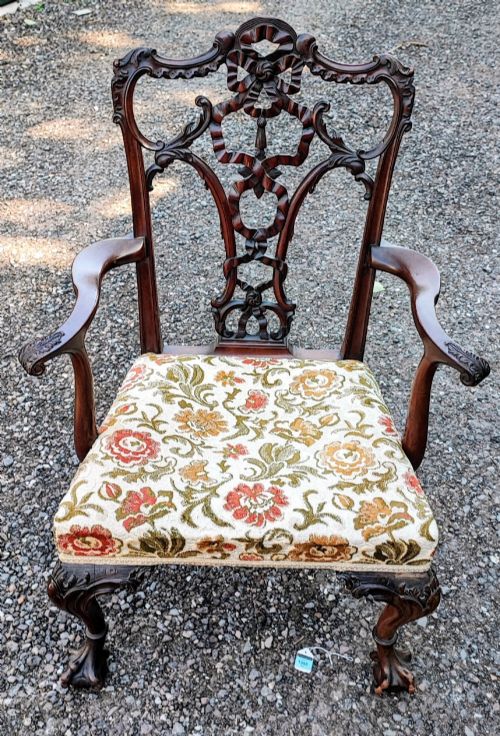
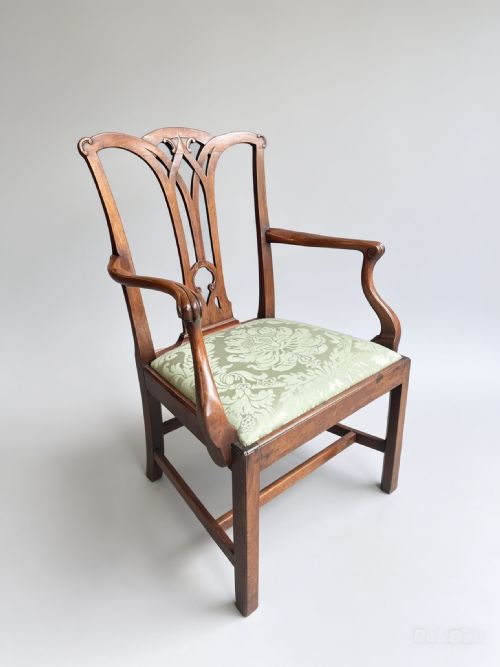
Makers frequently drew upon recognised neoclassical idioms, producing items influenced by prominent designers like Thomas Chippendale, George Hepplewhite, and Thomas Sheraton. Buyers encounter substantial mahogany frames, walnut models, and country iterations fashioned from ash, elm, and oak.
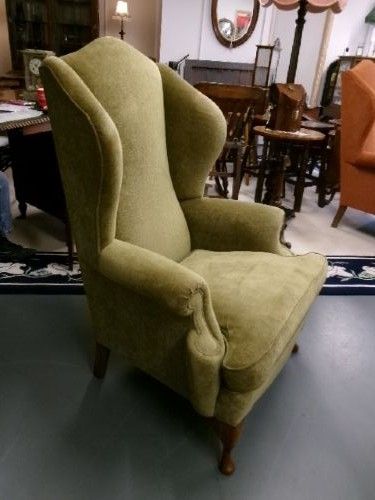
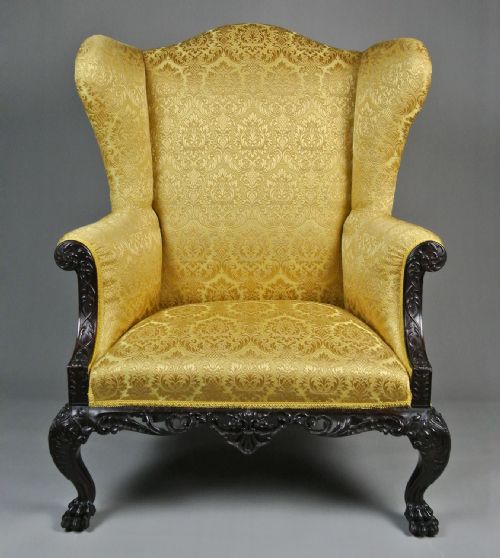
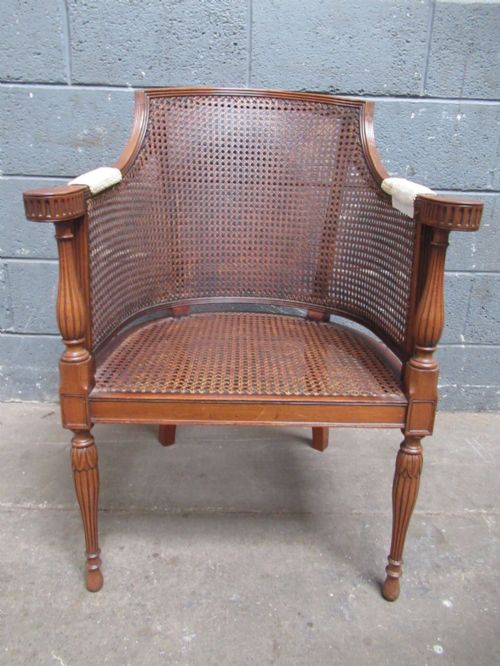
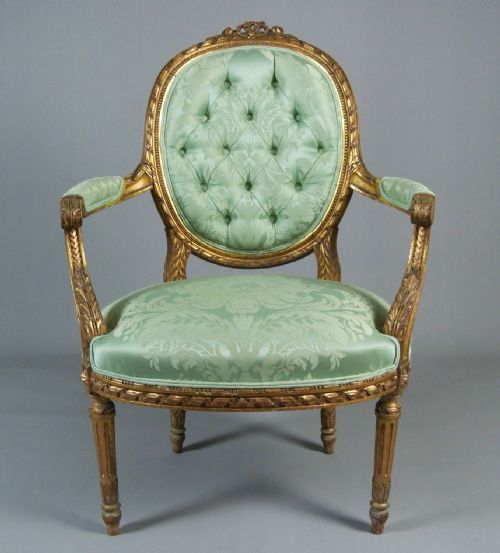
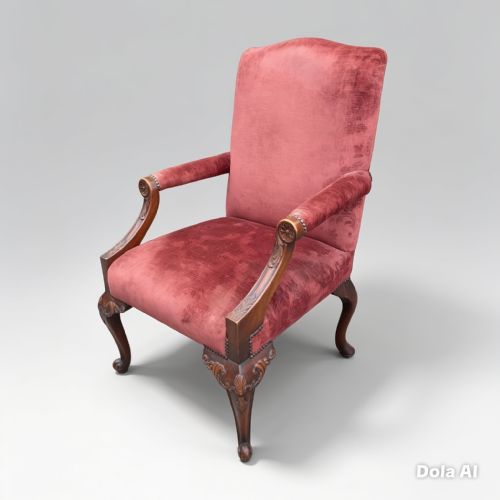
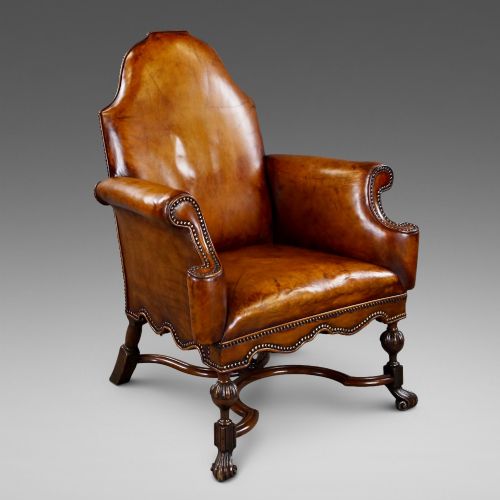
The selection balances formal parlour seating with functional library and desk chairs, alongside substantial wing armchairs designed to shield sitters from draughts. Whether built with solid wood splats or padded backrests covered in leather, fabric, or silk, these seats reflect the shifting domestic tastes across the Georgian, Regency, and later revival periods.
Materials and Technique
Cabinetmakers relied heavily on dense tropical hardwoods, primarily mahogany and walnut, selected for their tensile strength and capacity to hold crisp hand-carved details on cabriole legs, splats, and arm terminals. Country versions utilised native timbers like elm, ash, and oak, often turned on lathes to form sturdy spindle backs and Windsor structures.
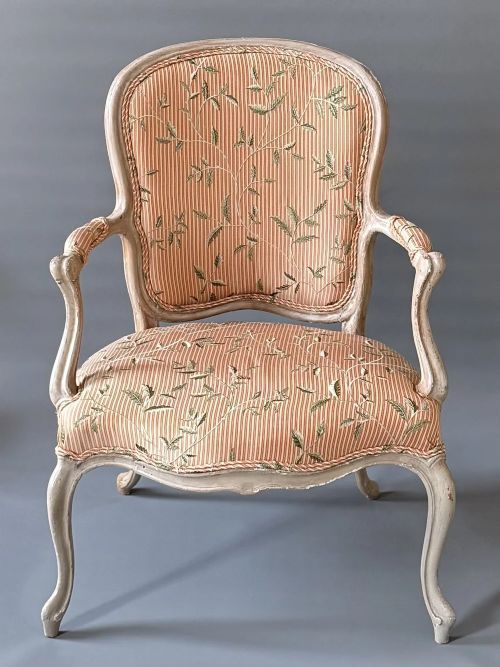
Upholstery techniques evolved from horsehair stuffing secured with webbing and linen canvas to modern equivalents, paired with specialist textiles such as patterned silk, velvet, calico, ticking, and deep-buttoned leather fastened with brass tacking. Joinery depended on traditional mortise and tenon joints, sometimes reinforced with corner blocks to withstand daily weight and movement.
Listings feature mahogany, walnut, elm, and ash alongside leather, silk, and modern upholstery fabrics across multiple centuries.
Evaluating Craftsmanship
Quality rests upon the crispness of the hand-carving and the integrity of the underlying timber frame rather than merely the surface finish. Superior examples display thoughtful proportions, seamless timber matching, and robust joinery that remains rigid through centuries of use.
The choice of upholstery materials and the precision of the stitching significantly influence the character of a piece. Finer seating integrates high-grade hides, hand-woven silks, or period-appropriate textiles applied over properly sprung or traditional webbed foundations.
Thomas Chippendale·Waring and Gillow
The Georgian Style Arm Chair Glossary
- Gainsborough armchair
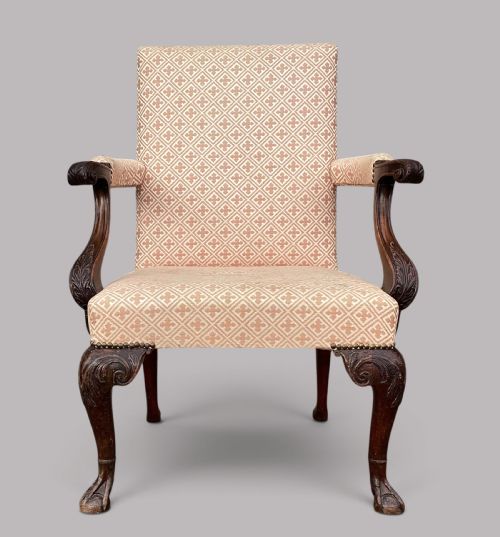
- A wide upholstered armchair with an open-padded arm structure, low seat, and straight legs, originating in the mid-eighteenth century for library use.
- Carver chair
- An armchair designed to match a set of dining chairs, traditionally placed at the head of the table.
- Splath
- The vertical central strip of wood within the back of a chair, often intricately carved or pierced in Chippendale designs.
- Cabriole leg
- A furniture leg that curves out in a convex arc and tapers inward in a concave arc, mimicking an animal's leg.
- Giltwood
- Timber that has been coated with a thin layer of gold leaf or gold paint for decorative effect.
Georgian Style Arm Chair: Frequently Asked Questions
How do I spot a true eighteenth-century chair?
Examine the timber shrinkage, hand-cut joinery marks, and the wear patterns on the feet. Genuine pieces show natural oxidation and tool marks consistent with period hand-tools.
Compare the proportions and carving depth against known examples from the same decade. Lesser revival pieces often feature machine-cut uniformity and different internal secondary woods.
Are these chairs comfortable for daily use?
Many library and wing models provide deep, supportive seating designed for extended periods of reading or relaxation. Their ergonomics reflect eighteenth-century domestic habits, which favoured upright posture.
Upholstered versions often conceal modern webbing and cushioning beneath historical fabric layers. Buyers should check the seat height and depth to ensure compatibility with modern living spaces.
How should I care for leather upholstery?
Apply specialised leather balms periodically to maintain flexibility and prevent the material from drying out. Keep antique leather away from direct sunlight and strong heat sources.
Clean surfaces gently with a soft, dry cloth to remove dust. Avoid harsh chemical cleaners that strip natural oils from historical hides.