
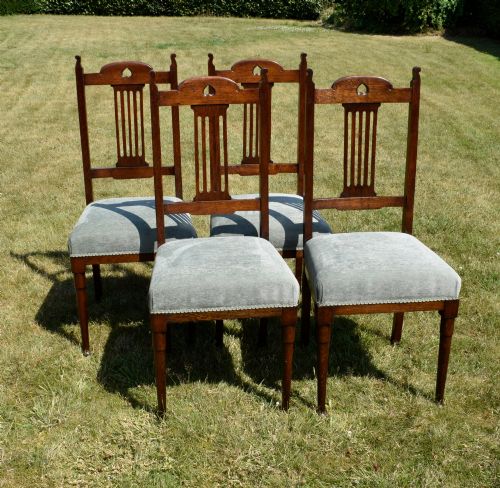


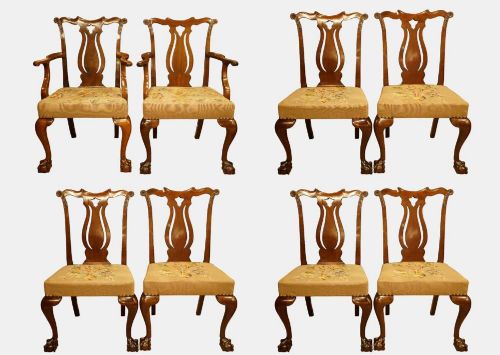
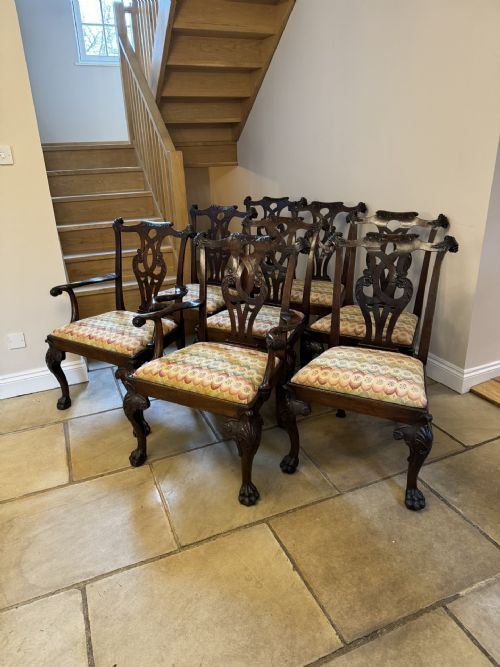


Period Style Dining Furniture
Period style dining furniture brings traditional craftsmanship and historic forms into the modern dining room.
Period Style Dining Furniture
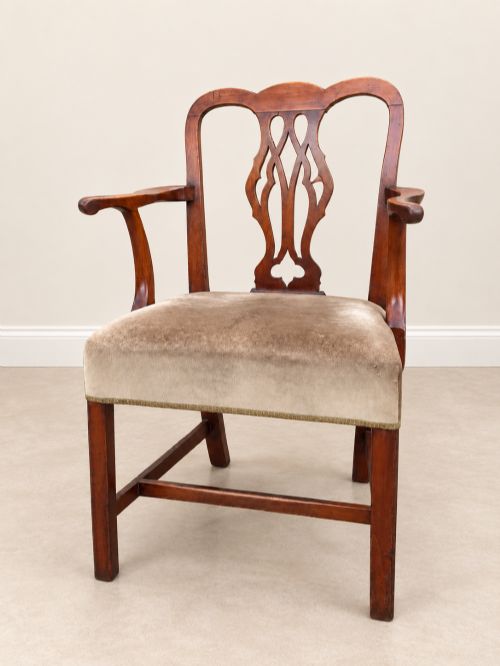
Period style dining furniture encompasses dining tables, chairs, carvers, and sideboards drawn from centuries of British design. Buyers searching for period style dining furniture will frequently encounter mahogany dining chairs and pedestal tables spanning the Georgian, Victorian, and Edwardian eras.
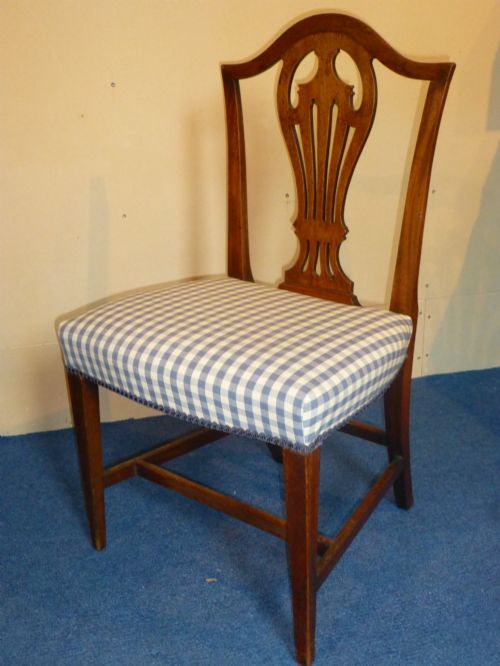
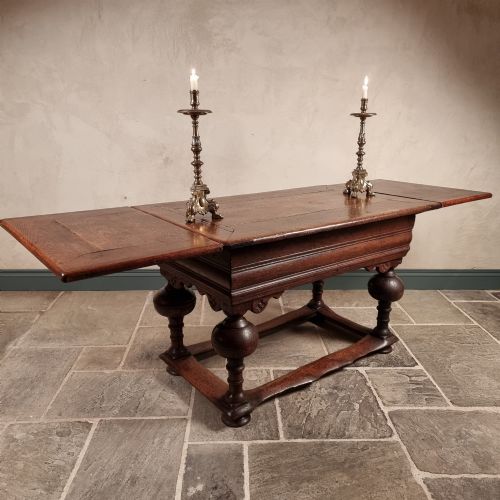
The selection ranges from robust seventeenth-century oak refectory tables to eighteenth-century Georgian side chairs and nineteenth-century Regency dining tables. These pieces provide both everyday utility and a distinct historic aesthetic for the home.
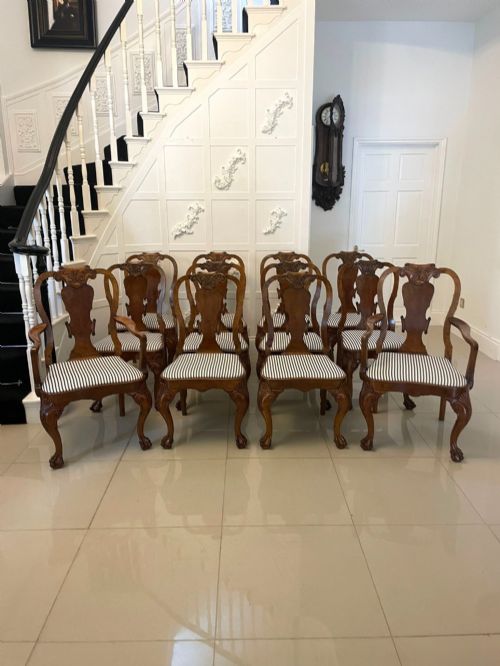
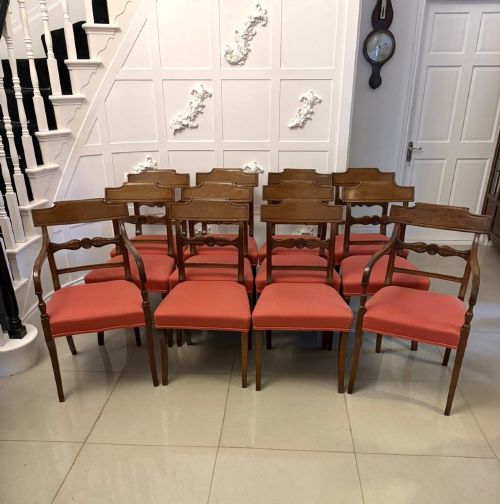
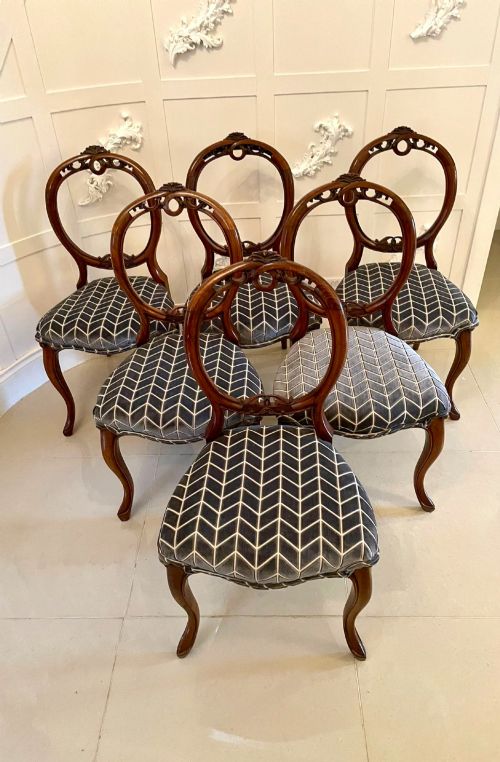
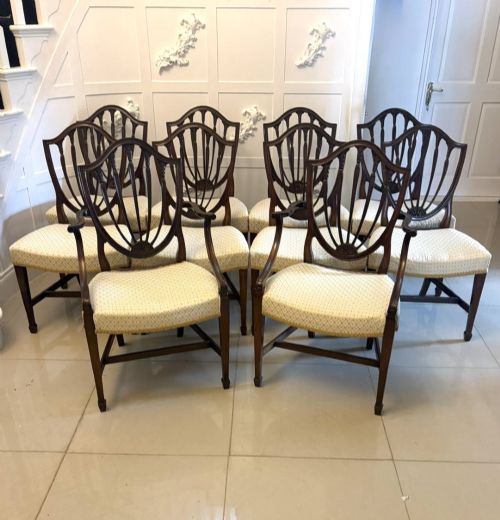
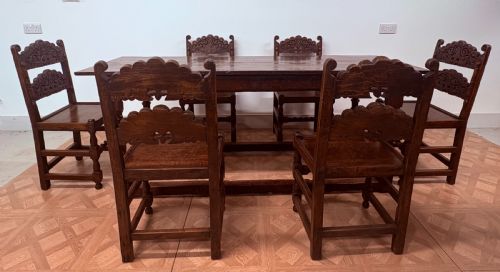
Matching sets of dining chairs appear frequently alongside individual carvers and large extension tables. This variety allows collectors to furnish an entire dining space with cohesive historical designs or mix specific revival styles.
Evaluating quality and finish
Quality rests upon the crispness of hand-carving on splats, legs, and rails, alongside the stability of traditional joinery. Superior examples maintain tight joints and substantial timber thickness without excessive modern repairs.
The integrity of original materials, including upholstery fabrics, leather seats, and brass fittings, separates standard items from exceptional survivals. Finer sets exhibit consistent timber selection across every chair and matching table component.
Listings feature dining furniture spanning from the seventeenth century through to the Edwardian revival period.
Maple and Co·Gillows of Lancaster
The Period Style Dining Furniture Glossary
- Carver chair
- An armchair designed to sit at the head of a dining table, often matching a set of side chairs. These typically feature upholstered armrests and wider proportions.
- Refectory table
- A long, narrow dining table traditionally used in communal halls and dining rooms. These early oak pieces rely on heavy stretcher bases for stability.
- Shield back
- A chair back design shaped like a heraldic shield, popular in eighteenth-century dining furniture. This delicate carved form often incorporates pierced splats.
- Pedestal table
- A dining table supported by one or more central columns rather than four corner legs. These columns frequently stand on brass-capped castors or splayed reeded legs.
- Serpentine outline
- A curving furniture front that sweeps inward and outward in a continuous wave. This flowing contour appears on high-status sideboards and buffets.
Period Style Dining Furniture: Frequently Asked Questions
How do I clean mahogany dining chairs?
Wipe wooden surfaces gently using a soft, dry cloth to remove dust. Avoid harsh chemical cleaners that can strip the historic polish.
Condition the timber periodically with appropriate wax to maintain its moisture and subtle sheen.
Can I mix different dining chair styles?
Combining side chairs from one period with matching carvers at the table ends is a traditional arrangement. Sticking to a consistent timber like mahogany helps unify disparate pieces.
Ensure seat heights align comfortably with your dining table surface before pairing.
How do I identify a Georgian dining table?
Georgian tables often feature solid mahogany construction supported by turned legs or pedestals. Look for traditional peg construction and rich patination accumulated over centuries of use.
Drop-leaf mechanisms or pedestal bases designed for multiple leaves are common characteristics of this era.
Are oak refectory tables practical today?
Solid oak refectory tables provide robust surfaces suited for daily family meals. Their heavy stretcher frames offer excellent legroom while remaining exceptionally stable.
Use protective mats under hot dishes to preserve the historic wax or oiled finish on the top boards.