



Georgian Storage Table
A georgian storage table offers clever containment disguised as fine furniture, bringing period character and practical surface space into any room.
Georgian Storage Table
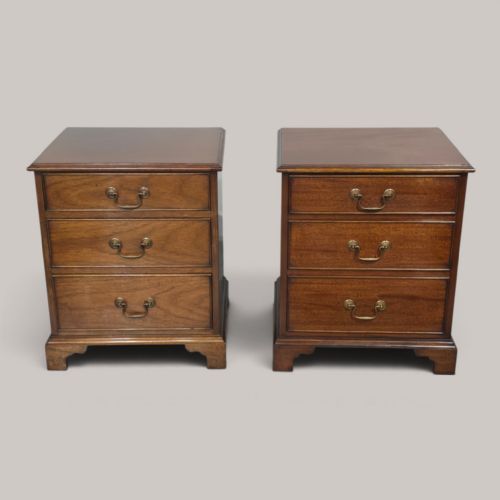
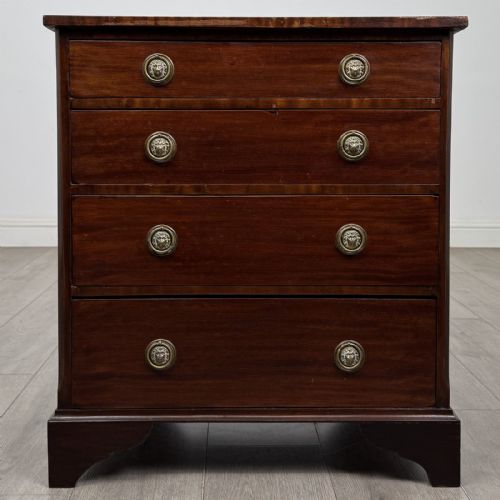
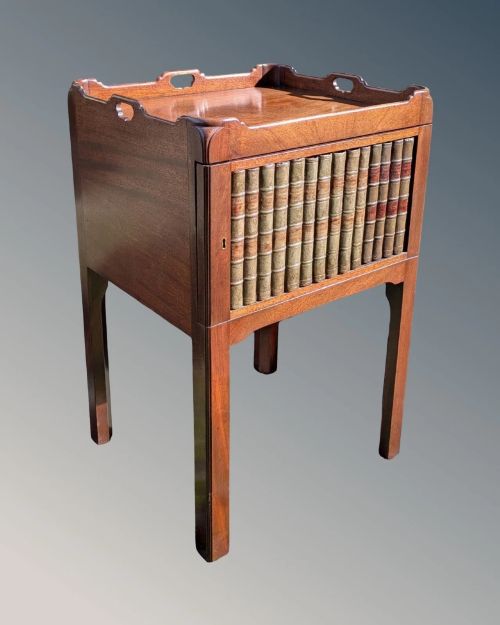
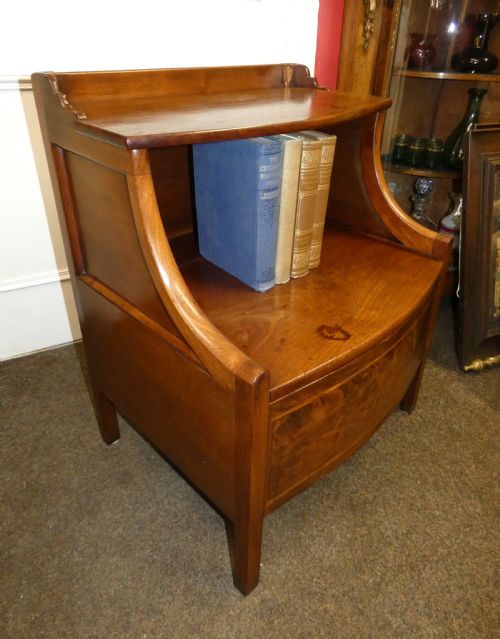
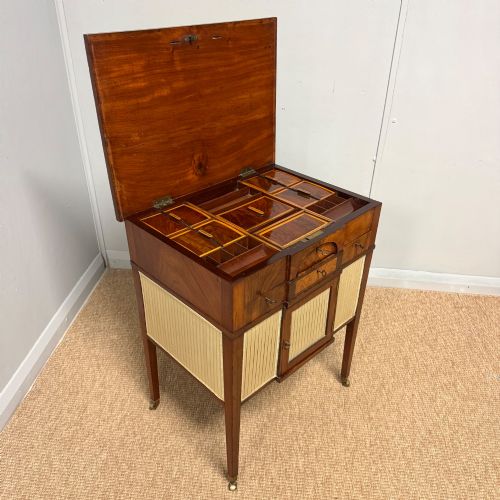
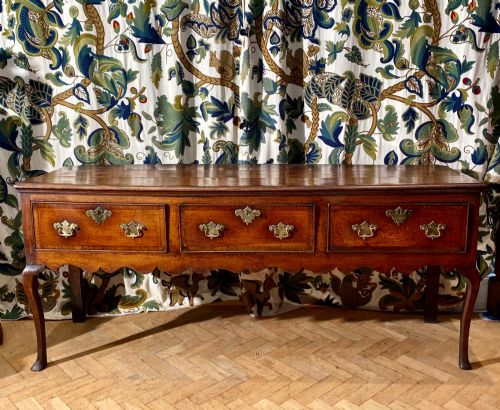
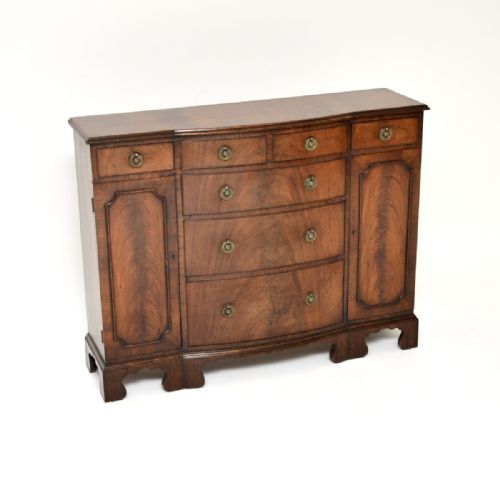
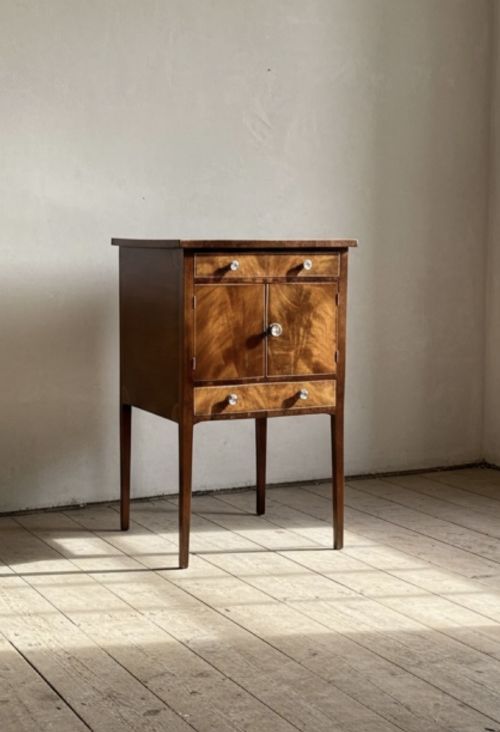
A georgian storage table encompasses a variety of compact furniture designed to hold items out of sight while providing a useful top surface. Buyers searching for a georgian storage table commonly encounter bedside cabinets, night tables, and small side cabinets spanning the eighteenth and nineteenth centuries.
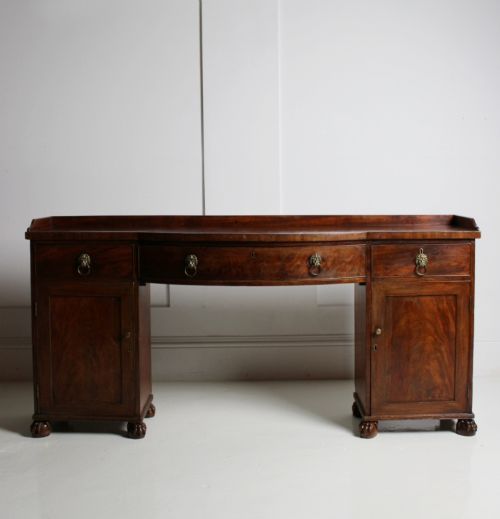
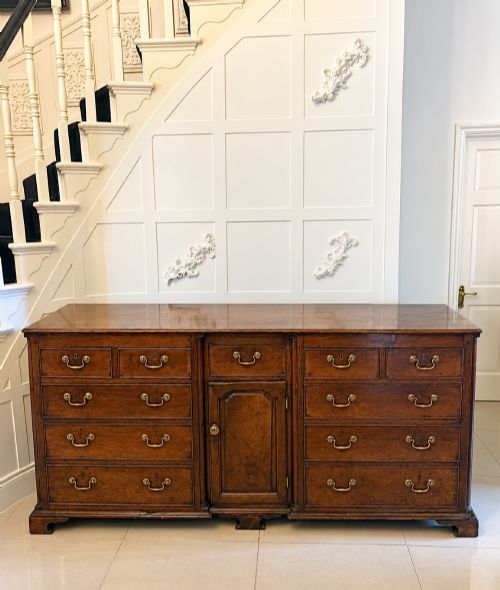
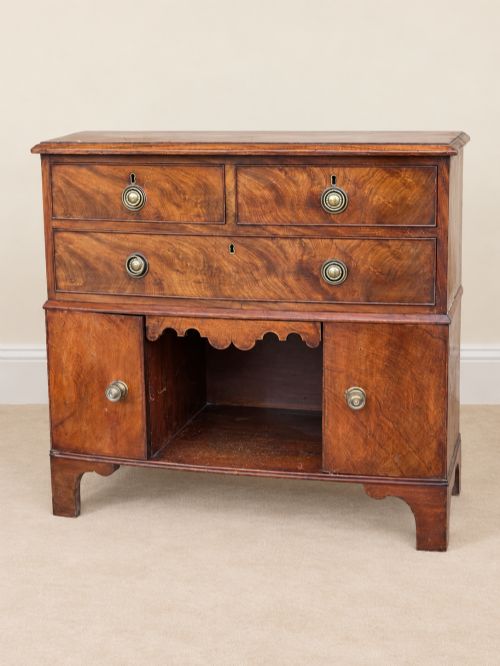
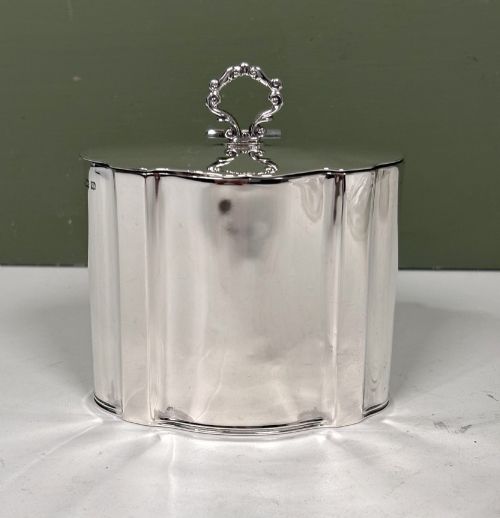
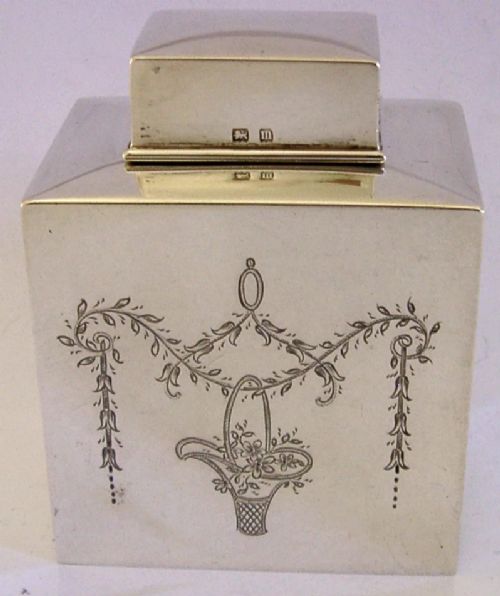
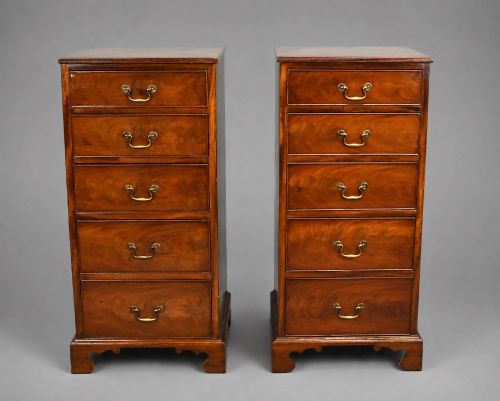
The material evidence shows these pieces appearing in forms such as bedside commodes, cellarettes, and tea caddies alongside larger oak dresser bases. Pieces often originate from the Georgian and Regency periods, utilising sturdy timbers like mahogany and oak to create functional compartments.
Assessing craftsmanship
Quality separates pieces through the selection of timber and the precision of the joinery rather than surface decoration alone. Finer examples display carefully matched wood grains on drawer fronts and cabinet doors, maintaining structural integrity over centuries of use.
Original hardware, such as brass drop handles and working locks with matching keys, elevates a piece significantly. Inferior examples may show replacement hardware or clumsy repairs that disrupt the historical harmony of the furniture.
Georgian Storage Table Retail Price Guide 2026
Typical asking prices for georgian storage table among the pieces listed under this phrase on Sellingantiques today, from the lower quarter to the upper quarter. They describe what is for sale here now, not the wider market.
Listings for a georgian storage table frequently feature mahogany and oak timbers alongside brass hardware across the eighteenth and nineteenth centuries.
M. D. Miller & Sons·Zimmermann
The Georgian Storage Table Glossary
- Cellarette
- A lockable cabinet or box designed to hold bottles of wine and spirits safely. These often sat beneath sideboards or beside dining tables.
- Teapoy
- A small table featuring a lidded box on top, originally used to store tea leaves and sugar away from moisture. They frequently rest on a single central pedestal with multiple legs.
- Dresser base
- A low wooden unit featuring drawers and cupboards, constructed primarily for kitchen or dining room storage. They provide a sturdy working surface above rows of deep drawers.
- Commode
- A piece of furniture containing drawers or cupboards, which in earlier periods often concealed a chamber pot. They frequently served dual purposes in bedrooms.
- Breakfront
- A cabinet or sideboard whose central section projects forward from the flanking sections. This design creates visual depth and distinguishes finer architectural case pieces.
Georgian Storage Table: Frequently Asked Questions
What is a georgian storage table used for?
These pieces function as bedside storage, small side cabinets, or repositories for specialised items like tea and wine. Their enclosed compartments keep clutter hidden while the top surface holds lamps or decorative objects.
Historically, specific forms addressed domestic needs such as holding night-time requisites or locking away expensive commodities. Today they adapt easily to modern living rooms and bedrooms as compact storage solutions.
How do I identify a Georgian piece?
Authentic Georgian furniture displays period-appropriate construction methods, such as hand-cut dovetails on drawer boxes and native timbers like oak and mahogany. Proportions remain balanced, reflecting the classical design influences of the eighteenth century.
Hardware and secondary woods inside the drawers provide further clues to age. Examining the timber shrinkage and tool marks helps separate genuine period items from later revivals.
Where should I place a storage table?
Compact storage tables suit hallways, bedrooms, and sitting rooms where floor space is limited. Their enclosed cupboards and drawers help manage household items without dominating the room.
Positioning them away from direct heat sources protects the antique wood and prevents the joins from drying out. A bedside position or an alcove works particularly well for smaller cabinets.
Are these tables sturdy enough for daily use?
Solid hardwood construction ensures these tables remain robust and functional after centuries of existence. Regular care keeps the joints stable and the wood nourished.
Drawer actions and cabinet doors should operate smoothly without binding. Gentle handling preserves the original timber and historical mechanisms.