

Georgian Storage Commode
A georgian storage commode provides generous, timber-built capacity with the understated elegance characteristic of eighteenth and nineteenth century cabinet work.
Georgian Storage Commode
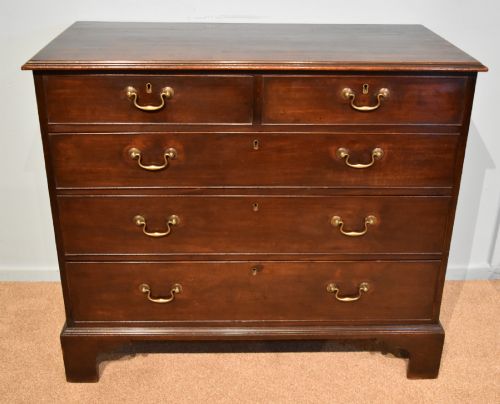
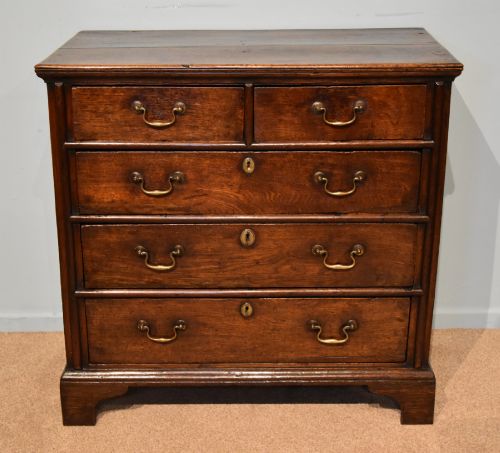
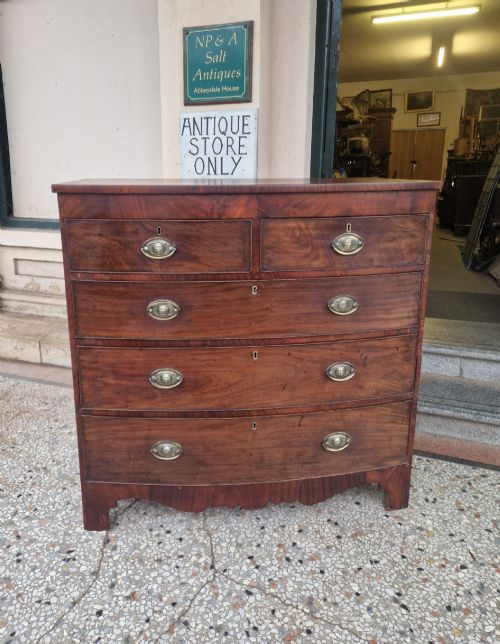
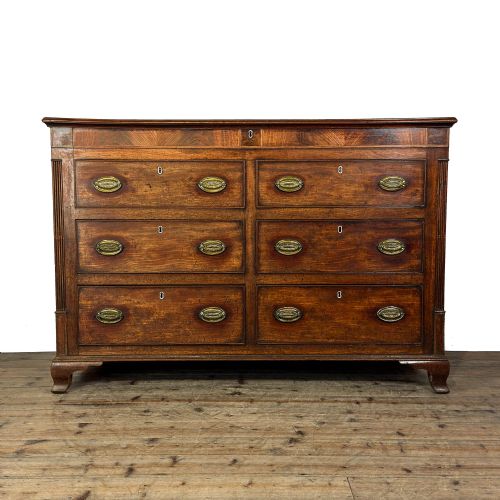
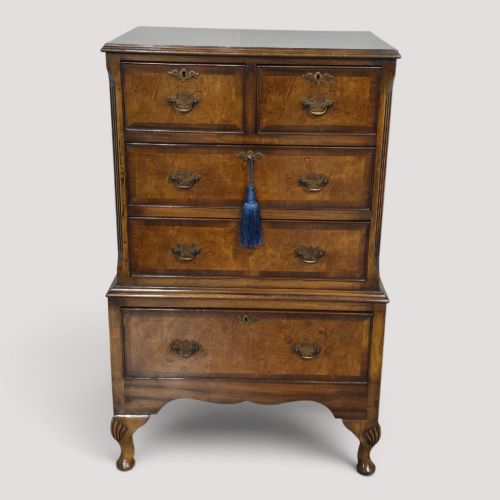
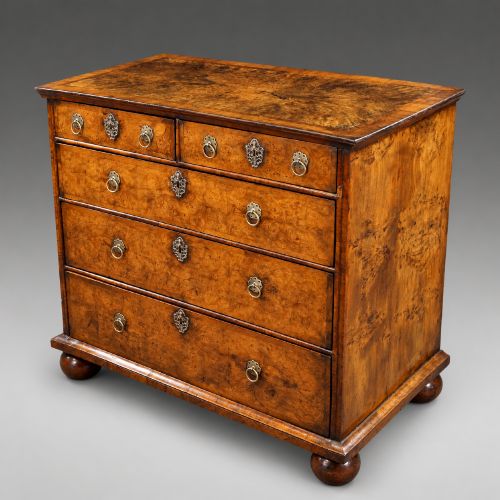
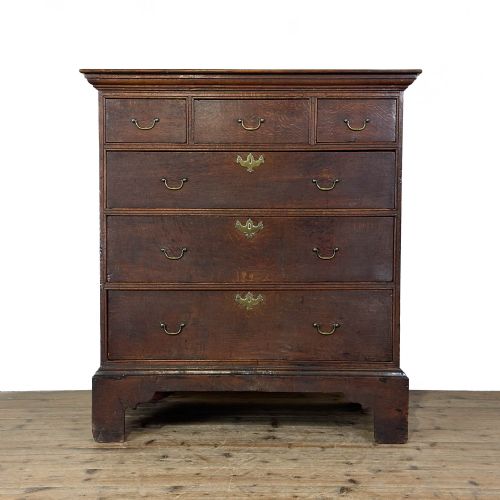
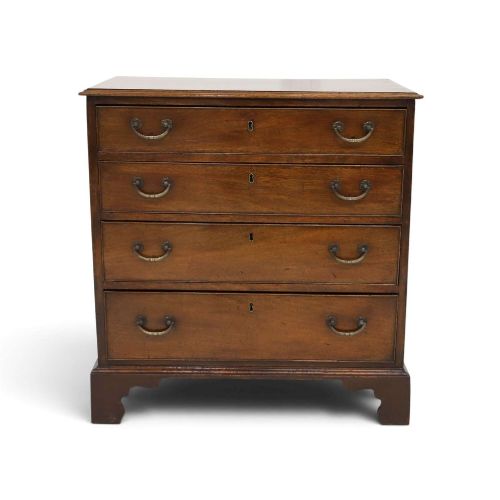
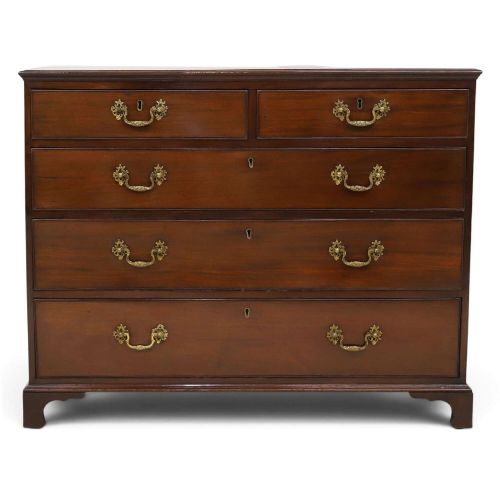
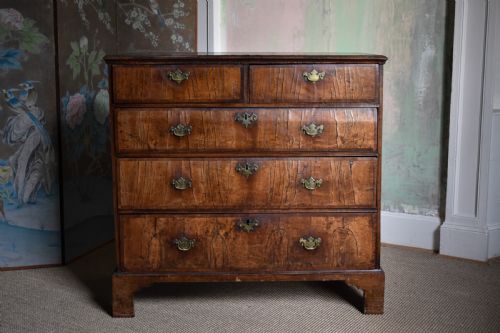
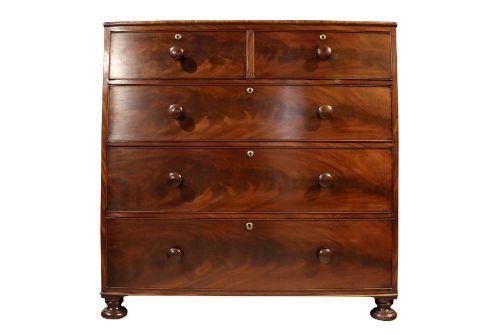
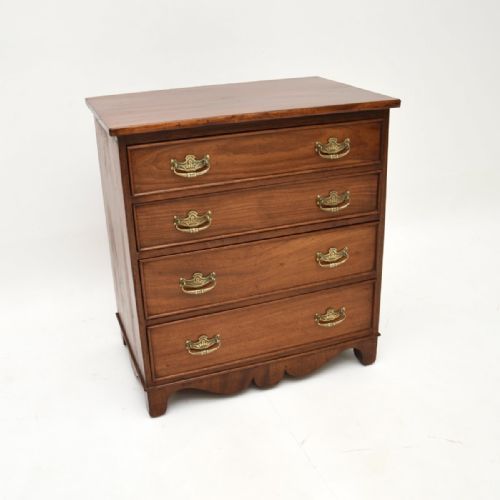
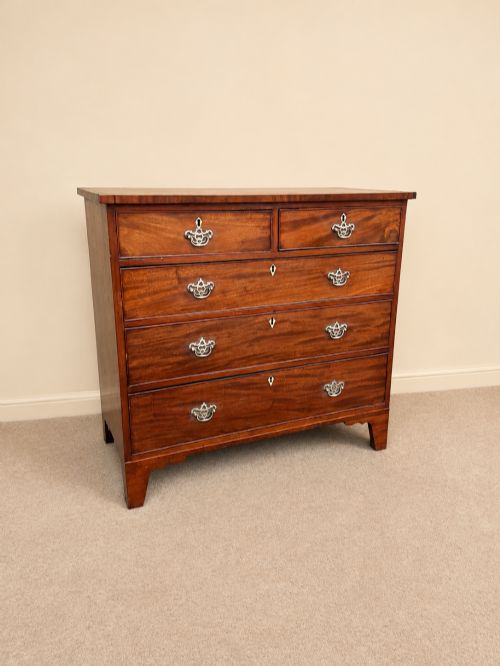
A georgian storage commode primarily takes the form of a chest of drawers, built to house garments and household linens in domestic interiors. The examples encountered on this page span the eighteenth and nineteenth centuries, including specific reigns such as George II, George III, and the Regency period.
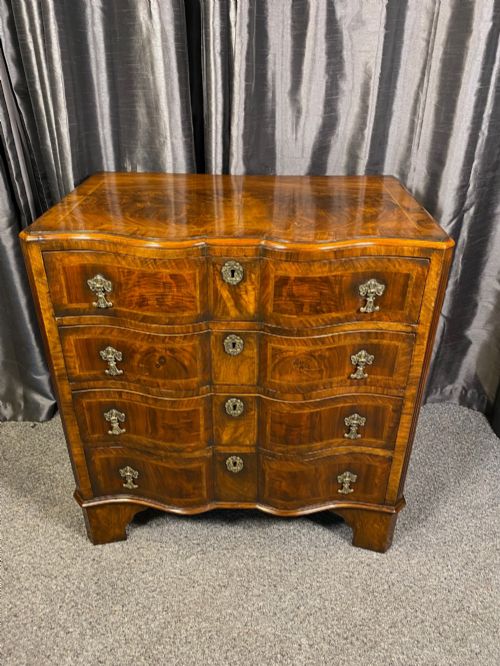
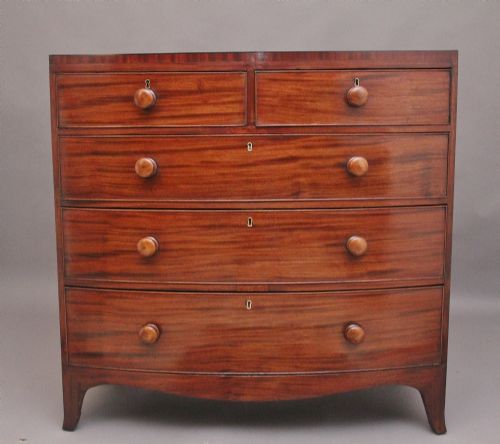
Buyers most frequently meet mahogany and oak carcasses, often configured with two short drawers above three long drawers, or styled with bow fronts and serpentine lines. Dimensions range from small bedside proportions to large tallboy formats, reflecting the varied domestic demands of their original eras.
The construction reaches from formal metropolitan workshops to simpler country iterations featuring pine sides. Later revivals from the Edwardian era and the early twentieth century also appear, maintaining traditional silhouettes in timber and painted wood.
How they were made
Cabinet makers utilised dense hardwoods like mahogany, walnut, and oak for structural integrity and fine decorative grain, frequently pairing them with secondary softwoods such as pine for drawer linings and sides. Timber surfaces were planed, jointed, and polished to highlight the natural figure of the wood.
Metal fittings such as brass handles and escutcheons were cast and secured to drawer fronts, while structural foundations often rested on bracket feet. Inlaid details and curved serpentine or bowfront shapes required specialist sawing and veneering techniques executed by skilled hands.
Georgian Storage Commode Retail Price Guide 2026
Typical asking prices for georgian storage commode among the pieces listed under this phrase on Sellingantiques today, from the lower quarter to the upper quarter. They describe what is for sale here now, not the wider market.
Some chests hide pull-out slides originally meant for brushing velvet waistcoats free of dust before morning outings.
What varies in quality
The calibre of a georgian storage commode rests on the selection of timber veneers and the precision of the cabinet maker's joinery. Superior pieces display thoughtful grain matching across drawer fronts and tight, hand-cut joints that endure through centuries of use.
Refinement in secondary details, such as the crispness of brass hardware, the execution of inlaid banding, and the careful shaping of bracket feet or brushing slides, distinguishes standard domestic output from exceptional workshop production.
The Georgian Storage Commode Glossary
- Bowfront
- A convex curved front profile popular on nineteenth century chests of drawers. This shaping softens the rectilinear appearance of standard storage furniture.
- Brushing slide
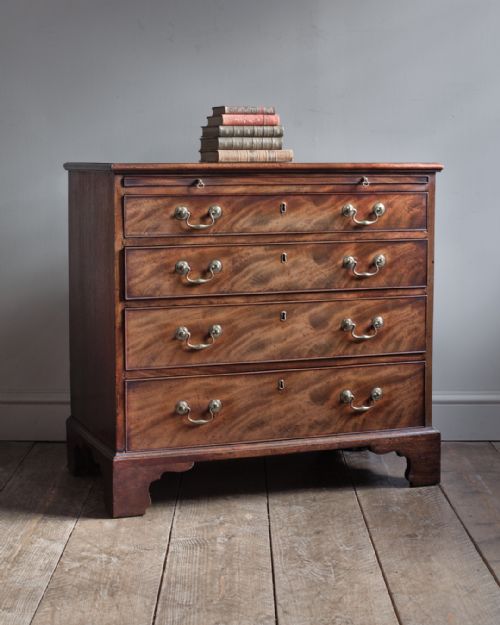
- A pull-out shelf integrated above the top drawers. It provided a temporary writing or sorting surface before being pushed back flush into the frame.
- Serpentine
- A front contour characterised by a concave central section flanked by two convex ends. This fluent line demands advanced woodworking skill to execute cleanly in solid timber.
- Bracket foot
- A simple structural foot shape formed by two pieces mitred together at the corner. It elevates the chest off the floor while maintaining a stable, restrained silhouette.
Georgian Storage Commode: Frequently Asked Questions
Where were these chests used?
These storage pieces were principally designed for bedrooms and dressing rooms to hold folded clothing and personal linens. Their robust construction and generous drawer capacity made them essential furnishings in domestic households.
Over time, larger formats also found placement in landings and hallways where surface space and deep drawers offered practical household storage.
How do I identify a George III piece?
Pieces from the reign of George III often exhibit refined mahogany timbers, bracket feet, and sometimes inlaid details or serpentine curves. Proportions tend to be well-balanced, favouring traditional two-over-three drawer configurations.
Cabinet work from this era displays disciplined joinery and classic silhouettes that predate the heavier proportions seen in some later nineteenth century variations.
What is a brushing slide?
A brushing slide is a pull-out wooden board integrated directly above the topmost drawers of a chest. It allowed owners to fold garments or inspect items without bending down to lower drawers.
When pushed fully closed, the slide sits flush against the moulding and remains virtually unnoticeable until pulled out for use.
Are these chests suitable for modern homes?
The substantial internal volume and classic timber finishes make these storage units highly functional in contemporary bedrooms and living spaces. Their varied widths and heights allow them to fit into both compact rooms and expansive hallways.
Living with these pieces involves appreciating their historical timber patination while utilising their deep drawers for contemporary storage needs.