


Georgian Stick Stand
A Georgian stick stand organises hallways with period timber and metalwork, offering practical utility for umbrellas and walking canes.
Georgian Stick Stand
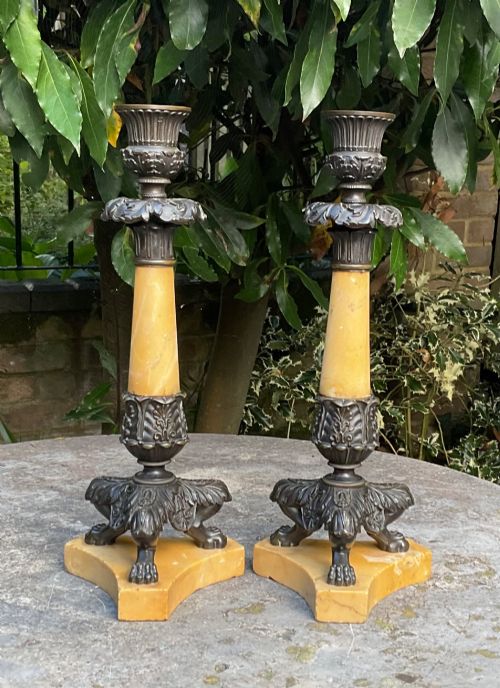
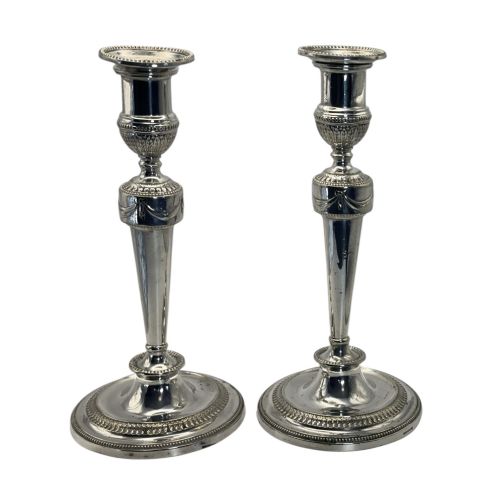
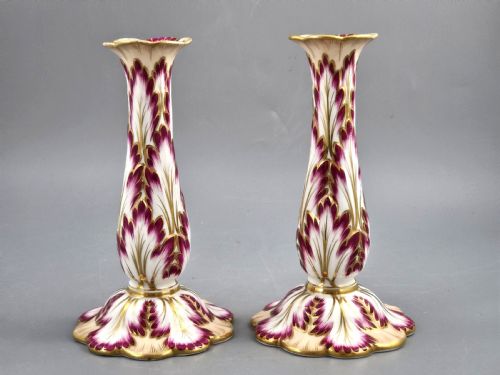
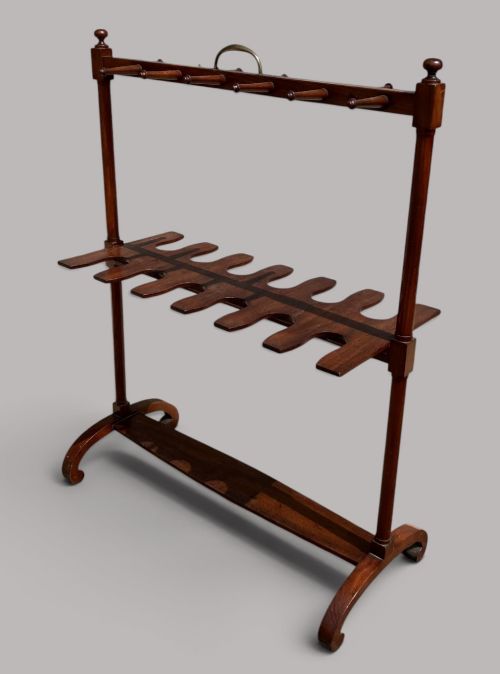
When searching for a georgian stick stand, buyers encounter hall furniture designed to hold umbrellas, parasols and walking sticks in entranceways. The pieces appearing here span mahogany framework, oak construction and brass bound barrel forms dating across the eighteenth and nineteenth centuries.
Most examples combine timber framing with metal components, while related items like boot racks and hat stands also surface in the listings. These objects serve the traditional function of keeping hallways tidy while displaying period craftsmanship.
Materials and construction
Craftsmen built these pieces primarily using dense timbers such as mahogany and oak, often incorporating coopered stave construction for barrel-shaped bodies. Metal elements including brass bands, cast iron divisions and copper accents provide structural reinforcement and contrast against the dark wood.
Joinery techniques rely on traditional carpentry methods suitable for load-bearing hallway furniture that sustained daily use. Surface finishes highlight the natural grain of the wood alongside polished metal details.
Georgian Stick Stand Retail Price Guide 2026
Typical asking prices for georgian stick stand among the pieces listed under this phrase on Sellingantiques today, from the lower quarter to the upper quarter. They describe what is for sale here now, not the wider market.
Listings feature eighteenth and nineteenth-century forms utilising mahogany, oak, cast iron and brass.
Evaluating standard and preservation
Quality depends upon the integrity of the timber framing and the original matching of metal bands or dividers. Pieces retaining their structural stability without excessive timber shrinkage or replacement parts sit higher in the range.
Fine examples demonstrate crisp cooperage work in barrel forms and minimal restoration to the primary wood surfaces. The crispness of cast iron divisions and the alignment of brass bindings further separate standard items from superior specimens.
Mappin & Webb·Barker Ellis·Ridgway
The Georgian Stick Stand Glossary
- Coopered
- Construction method utilising narrow vertical staves of wood bound together by metal hoops, similar to barrel-making. This technique appears frequently in cylindrical umbrella and stick holders.
- Mahogany
- A durable tropical hardwood prized for its rich reddish-brown colour and fine grain. It serves as a primary material for fine Georgian furniture.
- Brass bound
- Furniture decorated and reinforced with fitted strips of brass secured around the circumference. This method adds both structural strength and decorative contrast.
- George III
- The period spanning 1760 to 1820, characterised by refined cabinetmaking and classical proportion. Pieces from this era often display restrained neoclassical influence.
- Treen
- Small handmade wooden household objects and utensils. Examples include turned items associated with domestic utility.
Georgian Stick Stand: Frequently Asked Questions
How do I maintain wood and brass?
Clean timber surfaces periodically with a soft cloth and feed the grain with traditional beeswax to prevent drying.
Polish brass components sparingly using a non-abrasive cleaner to preserve the underlying metal without removing historic patination.
Where should I place a stick stand?
Position the piece in an entrance hall or porch where wet umbrellas and walking sticks can be stored conveniently.
Keep the stand away from direct radiators and rapid temperature fluctuations to protect the timber joints and prevent warping.
How do I date an antique stand?
Examine the construction methods, tool marks and timber species visible on the interior and underside of the piece. Hand-cut joinery and period brass fittings provide reliable indicators of eighteenth or nineteenth-century origin.
Compare the silhouette and decorative motifs with documented examples from Georgian and Regency design books.
Are these stands suitable for daily use?
Solid timber and metal construction makes these pieces robust enough for everyday storage of modern umbrellas and canes.
Use removable drip trays inside the base if storing wet items to protect the historic wood from prolonged moisture exposure.