




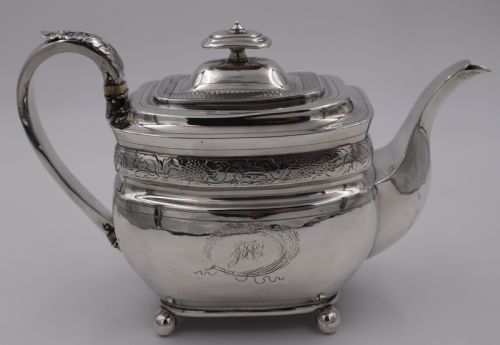

Georgian Sterling Teapot
A georgian sterling teapot is an essential silver vessel for the table, prized for its classic proportions and fine domestic history.
Georgian Sterling Teapot
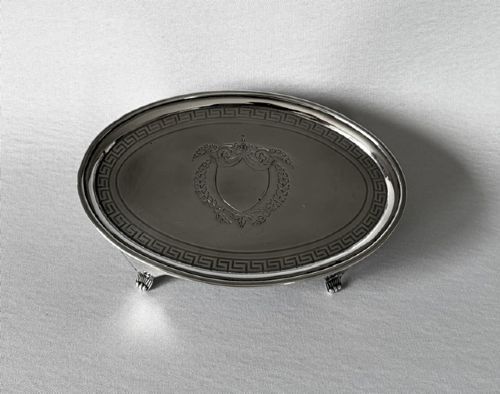
When you search for a georgian sterling teapot, you encounter pieces spanning the reigns of the Georges, William IV, and into the nineteenth century. The selection includes individual teapots alongside matching teapot stands, coffee pots, and complete tea services.
You meet various forms from different regions, including London, provincial English centres, Edinburgh, and Dublin. Pieces range from bachelor sizes to full-sized vessels, occasionally accompanied by stands or forming part of larger tea and coffee sets.
How they were made
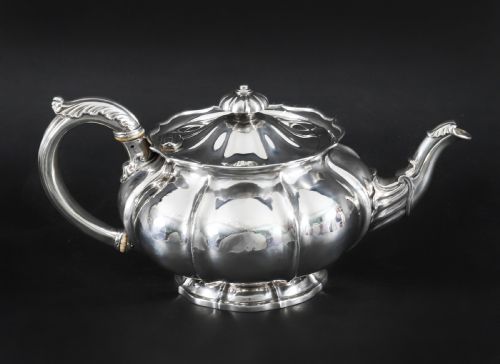
These vessels are fashioned from sterling silver, with some examples featuring silver-gilt finishes. Silversmiths employed techniques ranging from plain bulbous forms to elaborate grape vine and leaf decoration.
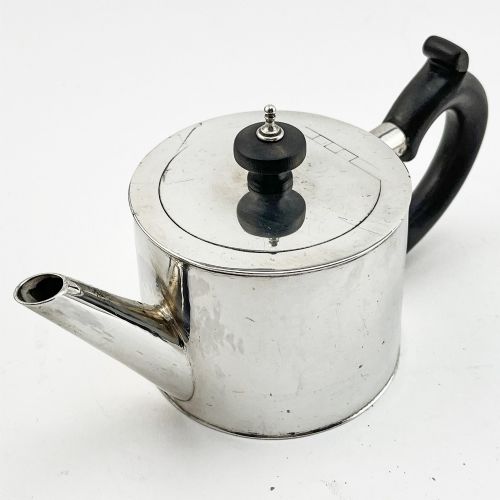
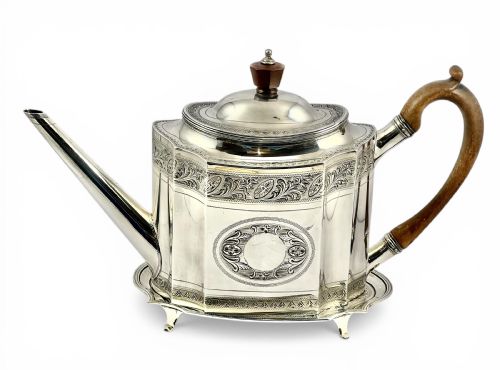
Handles and finials frequently incorporate insulating materials such as wood, ebony, or bone to manage heat during use.
Some teapots arrived with Chinese-inspired decoration, showing how Georgian tea culture embraced distant aesthetic tastes.
What varies in quality
The distinction between standard examples and the finest works lies in the crispness of the chasing, the harmony of the overall design, and the distinction of the maker. Master silversmiths achieved superior balance and detail in engraving and applied ornamentation.
Subtleties in proportion, the integration of matching stands, and the quality of secondary materials like wood or bone handles further separate exceptional pieces from ordinary production.
Paul Storr·Robert Hennell I·Joseph Craddock·Benjamin Smith·Robert Hennell II·Hester Bateman
The Georgian Sterling Teapot Glossary
- Sterling silver
- A silver alloy containing 92.5 percent pure silver and 7.5 percent other metals, usually copper, chosen for durability.
- Silver-gilt
- Sterling silver that has been plated with a thin layer of gold on the interior or exterior surfaces.
- Bullet teapot
- An early eighteenth-century spherical silver teapot form resting on a short foot ring.
- Bachelor size
- A smaller teapot capacity intended for single use or smaller households.
- Teapot stand
- A small matching tray or plate designed to protect table surfaces from heat.
Georgian Sterling Teapot: Frequently Asked Questions
How do I date a Georgian silver teapot?
Dating relies primarily on the hallmarking stamped onto the metal, which indicates the assay office, date letter, and maker's mark.
Stylistic shifts, from plain bullet shapes to neoclassical lines and later ornate floral decoration, also help narrow the period.
Were these teapots used daily?
These vessels were created for elite and middling households to serve tea during a formal domestic ritual.
Over generations, many saw regular use in the parlour, which accounts for natural traces of wear on interior surfaces.
Why do some teapots have wooden handles?
Wood, ebony, and bone were utilised for handles and thumb pieces to provide thermal insulation against boiling water.
Silver conducts heat rapidly, so these non-metallic inserts allowed handlers to pour tea comfortably.
What is a tea service set?
A tea service comprises matching vessels produced in a unified style, often including a teapot, sugar basin, and cream jug.
Larger configurations occasionally incorporated coffee pots and dedicated tea and coffee services.