




Georgian Sterling Tankard
These georgian sterling tankard pieces are heavy silver drinking vessels that offer tactile weight and centuries of functional history to modern display.
Georgian Sterling Tankard
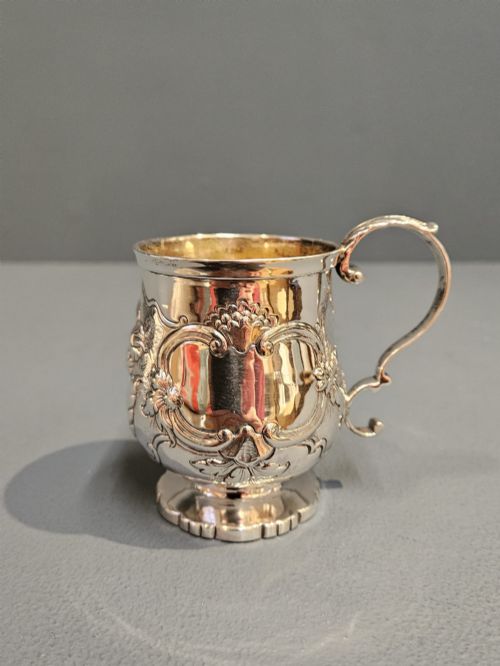
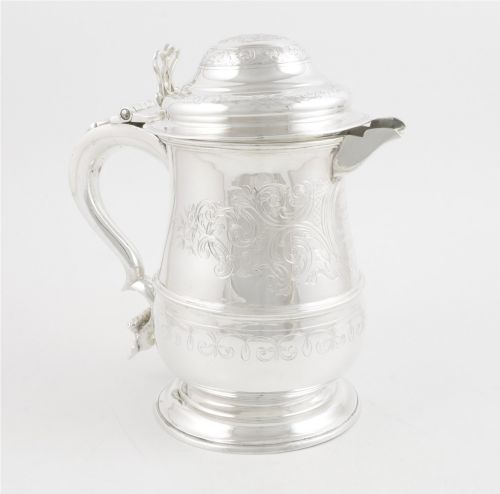
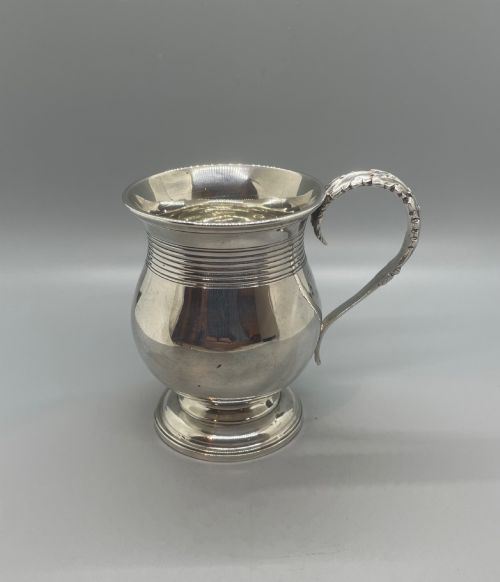
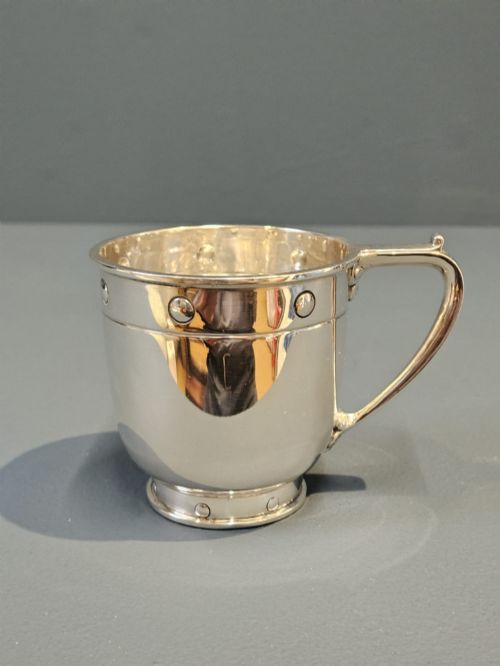
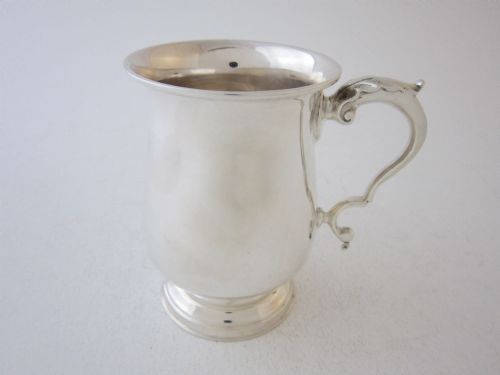
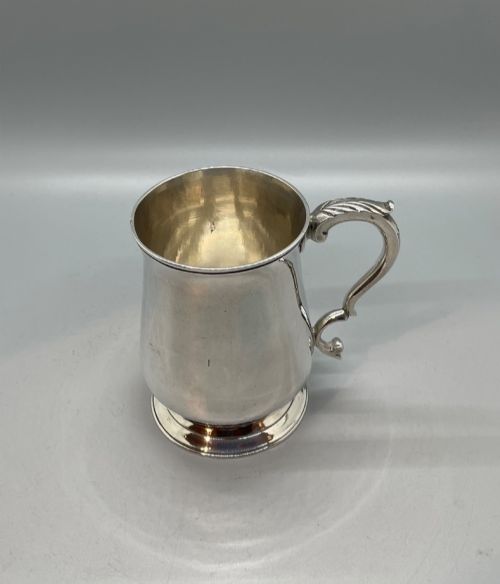
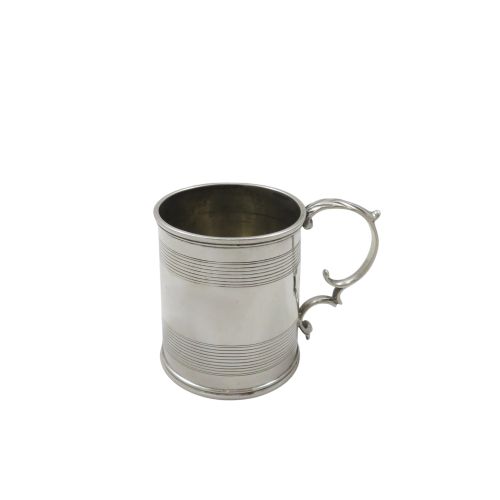
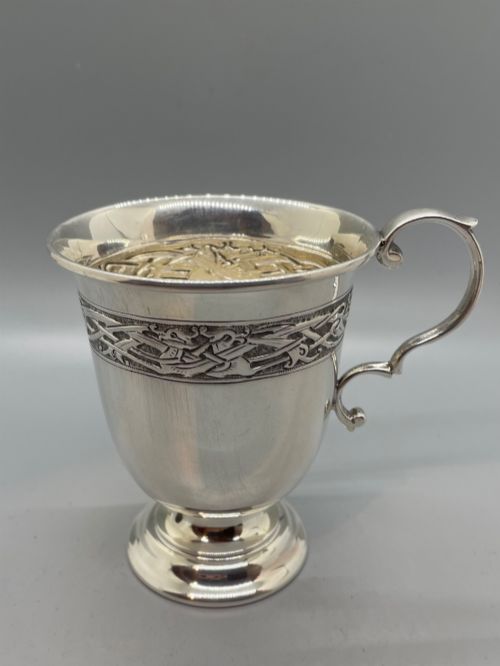
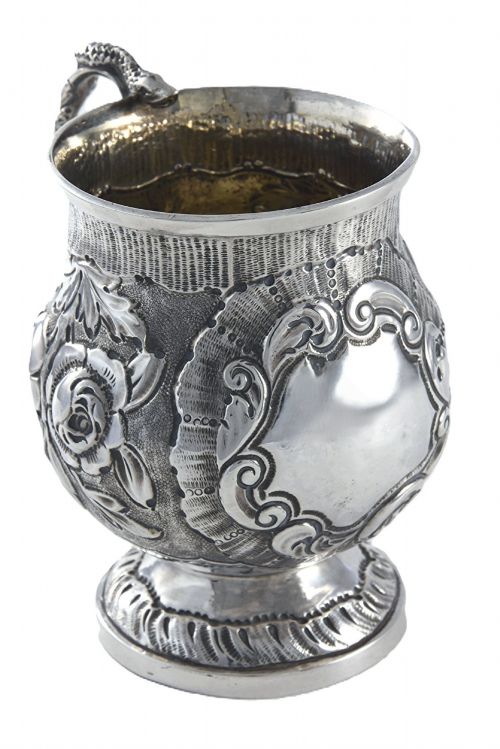
When you search for a georgian sterling tankard, you are looking at substantial silver drinking vessels originating from the eighteenth and nineteenth centuries, alongside later revivals. These objects span formal lidded tankards, half-pint mugs, christening vessels, and pitchers designed for steady use.
The pieces you are most likely to encounter on this page range from mid-eighteenth-century Newcastle and London examples to George IV and George V presentation pieces. Many serve smaller domestic roles as christening mugs or sporting trophies, reflecting changing social traditions over the centuries.
Makers utilised sterling silver and silver-gilt to shape these cylindrical and tapering forms, often adding handles, lids, and spouts. Their presence bridges utilitarian tavern culture and polite parlour drinking habits across multiple reigns.
How They Were Made
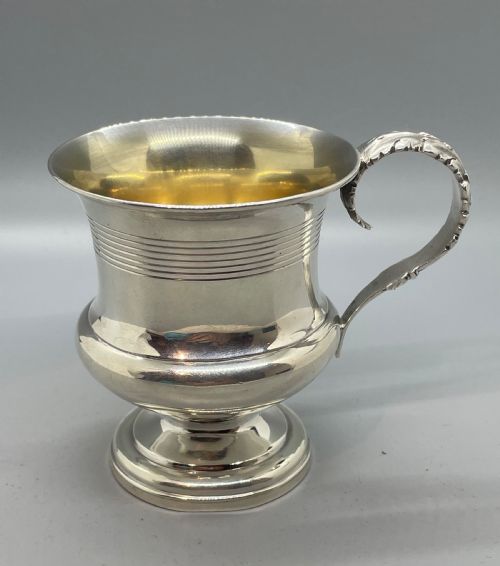
Silversmiths formed these vessels from sterling silver, hammering and soldering sheet metal into stout cylindrical bodies. Some pieces incorporate gold gilt interiors, creating a rich contrast against the polished exterior silver.
Cast handles and applied rims provide structural reinforcement to the thin-walled bodies, while hinged lids on specific examples require precise metalworking. Engraving and chasing add decorative surface detail without compromising the vessel's primary function.
Georgian Sterling Tankard Retail Price Guide 2026
Typical asking prices for georgian sterling tankard among the pieces listed under this phrase on Sellingantiques today, from the lower quarter to the upper quarter. They describe what is for sale here now, not the wider market.
Several pieces started life as university sports trophies, recording athletic glory long before settling into quiet domestic display.
What Varies in Quality
The distinction between ordinary and exceptional pieces rests upon the gauge of the silver and the crispness of the original hammering and casting. Thicker metal provides a more satisfying weight in the hand and resists everyday denting.
Proportion and balance define the superior examples, where handles complement the cylindrical body and applied details remain sharp. Pieces carrying clear provincial or London hallmarks with legible makers' marks demonstrate greater documentary integrity.
Barker Bros·William Bateman
The Georgian Sterling Tankard Glossary
- Sterling Silver
- An alloy comprising ninety-two point five percent silver and seven point five percent other metals, typically copper, chosen for durability in tableware.
- Silver-Gilt
- Silver objects that have been coated with a thin layer of gold on the surface, frequently applied to the interior of drinking vessels.
- Hallmark
- Official stamps struck into precious metal to guarantee its purity, indicating the assay office, date letter, and maker.
- Christening Mug
- A small commemorative mug presented to an infant upon baptism, often engraved with initials or dates of birth.
- Chasing
- A metalsmithing technique where designs are hammered into the front surface of the metal using punches to displace rather than remove material.
Georgian Sterling Tankard: Frequently Asked Questions
What is a georgian sterling tankard used for?
These vessels originally served practical drinking functions for ale, beer, or other beverages in domestic and tavern settings.
Over time, many smaller examples transitioned into presentation pieces, sporting trophies, or christening gifts given to children.
How do I identify a georgian sterling tankard?
Examination of the piece usually reveals hallmarks stamped directly into the silver, showing assay office symbols and date letters that pinpoint the year of manufacture.
Stylistic markers such as handle shapes, lidded mechanisms, and engraving styles also help distinguish eighteenth-century work from later Victorian or twentieth-century revivals.
Are these silver tankards safe to drink from?
Silver possesses natural antimicrobial properties, making these historical vessels entirely suitable for holding cold beverages during modern dining.
Careful hand washing with mild soap preserves the metal surface and any interior gold gilt without damaging the historical patina.
What is the difference between a mug and a tankard?
Traditional tankards typically feature a hinged lid and a sturdy handle, designed for secure containment of liquids in busy social environments.
Mugs generally share the same cylindrical or tapering proportions but remain open at the top, often functioning as christening gifts or smaller presentation cups.