
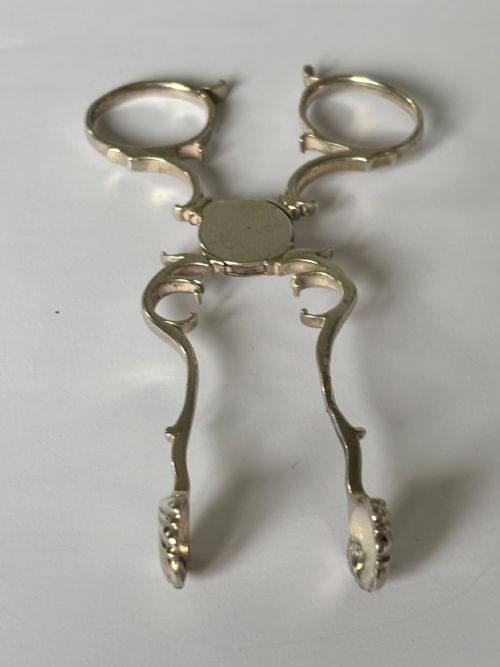


Georgian Sterling Silver Nips
Georgian sterling silver nips are small handheld implements designed for handling sugar lumps, offering a tangible link to eighteenth-century tea rituals.
Georgian Sterling Silver Nips
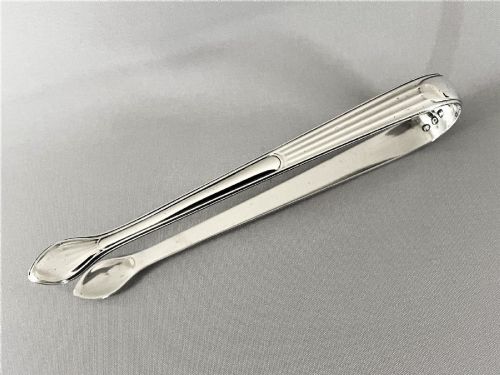
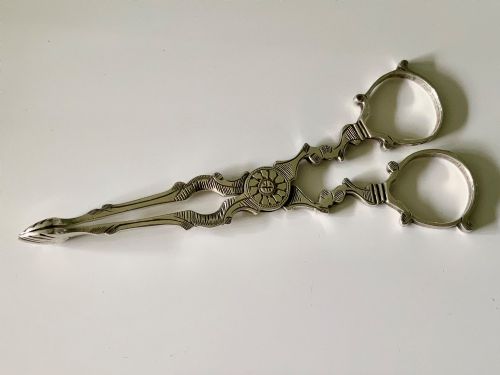
When you search for Georgian sterling silver nips, you are looking at functional tea equipment that includes both scissor-action nips and sprung sugar tongs. These pieces emerge primarily from the eighteenth and early nineteenth centuries, spanning the reigns of George II through George IV.
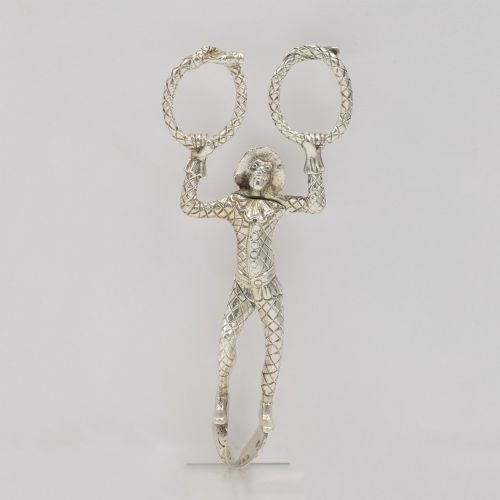
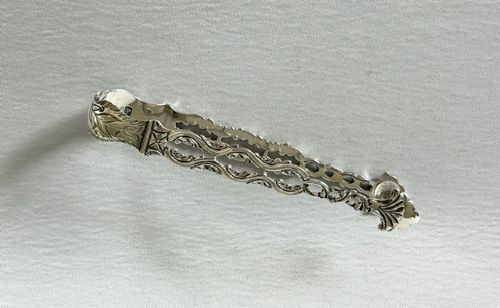
The examples on this page encompass varied regional origins, including makers working in London, Newcastle, Scotland, and Ireland. Forms range from plain cast stems to pierced designs and novelties such as harlequin figures.
While the terms nips and tongs are often used interchangeably in the trade, traditional scissor nips belong firmly to the earlier part of the period before sprung tongs became dominant.
How they were made
Silversmiths constructed these pieces primarily using sterling silver, employing casting and piercing techniques to shape the metal. Cast components provide weight and structural rigidity to the arms and bowls.
Piercing allows for intricate openwork patterns along the stems, while chased or engraved details add surface decoration. Scissors-style nips utilise a central pivot pin to join the two matching halves together securely.
Materials recorded across these items are strictly silver and sterling silver, reflecting the standard metal of the trade.
What varies in quality
Quality rests heavily on the crispness of the cast ornament and the integrity of any pierced work. Sharp definition in decorative motifs and balanced proportions elevate an ordinary utensil into a finer piece of silverwork.
The reputation of the maker also dictates distinction, with identifiable workshop marks or provincial origins holding particular interest. Additionally, the survival of clear hallmarks adds significant weight to the evaluation of any pair.
Bateman Family·Dee & Fargus·Thomas Tookey
The Georgian Sterling Silver Nips Glossary
- Sterling silver
- A silver alloy containing 92.5 percent pure silver by mass, forming the standard material for British tableware of this era.
- Sugar nips
- Small scissor-like implements fitted with bowl-shaped ends designed specifically to grip sugar loaves or lumps.
- Sugar tongs
- Sprung metal arms joined at a bow end, superseding scissor nips for table service as the eighteenth century progressed.
- Pierced
- Metalwork perforated with cut-out patterns, frequently utilised on eighteenth-century silver tongs to lighten the form and create decorative designs.
- Hallmark
- A series of official marks stamped on precious metals, indicating the standard of purity, the assay office, and the date letter.
Georgian Sterling Silver Nips: Frequently Asked Questions
What is the difference between nips and tongs?
Scissor nips feature a central pivot joint operating much like a pair of scissors, whereas sugar tongs consist of a single continuous piece of metal bent into a sprung bow.
Nips belong largely to the earlier part of the eighteenth century, while sprung tongs became the standard design as manufacturing methods shifted.
How do I identify a Georgian piece?
Identification relies on reading the hallmarks stamped into the metal, which reveal the assay office, the date letter, and the maker's mark.
Stylistic cues such as cast shell grips, pierced stems, and the overall weight of the sterling silver also point toward eighteenth and early nineteenth-century production.
Where were these silver pieces made?
Makers operated across various British and Irish urban centres, with major output originating from London workshops alongside provincial towns like Newcastle and centres in Scotland and Ireland.
Local assay offices left distinct town marks that allow collectors to trace the geographical origin of each individual implement.
How were sugar nips used?
Tea drinkers used these implements at the tea table to transfer sugar lumps from a central container into individual cups.
Sugar was frequently purchased in large solid loaves and broken down into smaller lumps at home, making these sturdy silver grips a necessity for daily hospitality.
How should I care for antique silver?
Maintenance requires minimal intervention, relying on occasional gentle cleaning with a soft cloth and dedicated silver polish only when tarnish becomes heavy.
Avoiding harsh abrasives preserves the original hallmarks and the subtle tool marks left by the silversmith centuries ago.