
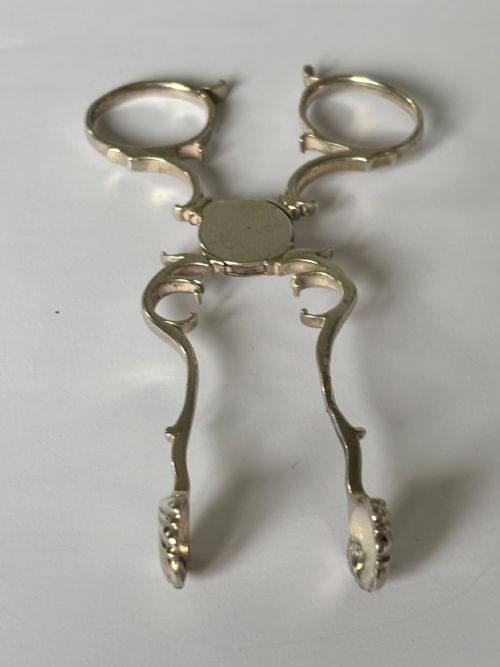


Georgian Silver Tea Tongs
Georgian silver tea tongs are essential tabletop implements that bring period elegance to the ritual of serving tea.
Georgian Silver Tea Tongs
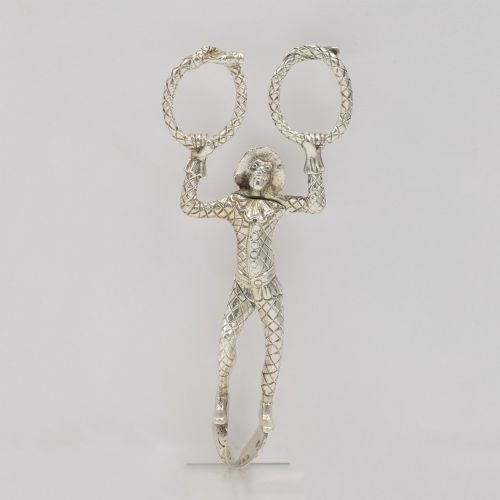
When you search for georgian silver tea tongs, you encounter sugar tongs, sugar nips, and cutlery spanning the eighteenth century, the Regency era, and later revivals. The selection includes examples originating from London, Newcastle, Scotland, and Ireland, alongside novelty pieces and items made in the Georgian style.
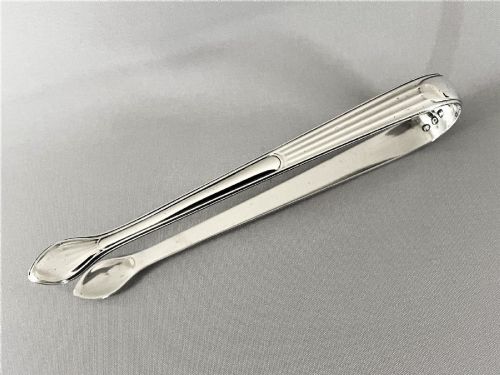
You are most likely to meet standard sterling silver forms from the mid to late eighteenth century and the early nineteenth century. These range from cast and pierced designs to scissor-action sugar nips and naturalistic styles.
Materials and Techniques
The primary material recorded across these items is sterling silver, worked through casting, piercing, and forging techniques. Makers shaped the metal into spring-action tongs or pivoted scissor nips.
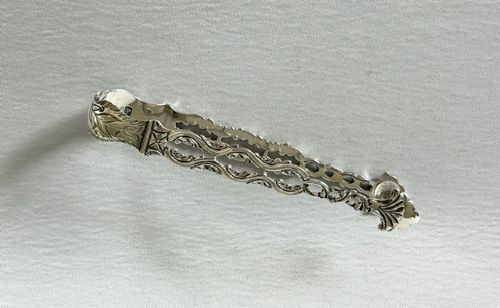
Decorative work on these pieces relies on piercing patterns into the silver arms and casting details such as shell grips or naturalistic motifs. Some specialised pairs are housed in fitted cases lined with satin or velvet.
The site listings span from mid eighteenth century work up to nineteen thirty revivals, utilising sterling silver and occasionally velvet or satin.
Judging Quality
Quality in these implements rests on the crispness of the cast decoration and the finesse of any pierced work on the silver arms. Finer examples display balanced proportions and purposeful weight in the hand.
The execution of maker marks and hallmarks also contributes to the standing of a piece, alongside the retention of original spring tension or smooth pivot action in the nips.
Bateman Family·Dee & Fargus·Thomas Tookey
The Georgian Silver Tea Tongs Glossary
- Sugar nips
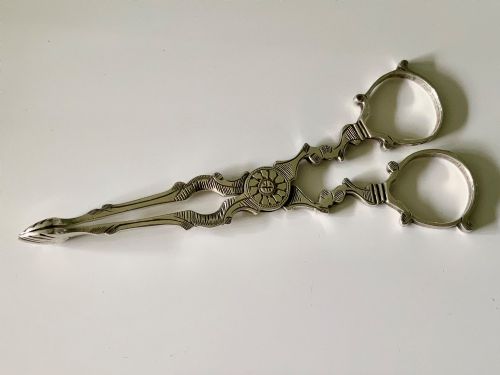
- Scissors-style implements featuring small bowls designed to grip and cut or hold sugar lumps before tongs became standard. They typically date from the earlier part of the eighteenth century.
- Pierced work
- Metal decorated by cutting patterns through the silver sheet to create openwork designs. This technique lightened the implement while adding visual ornamentation.
- Sterling silver
- An alloy consisting of silver and other metals, usually copper, formulated to provide durability for functional tableware. It forms the standard material for the pieces listed here.
- Regency
- A period spanning the early nineteenth century characterised by distinctive classical revivals and bold decorative motifs in silver design.
Georgian Silver Tea Tongs: Frequently Asked Questions
What is the difference between tongs and nips?
Sugar nips operate with a scissor action and feature pivoted handles with small bowls at the ends, common in the mid eighteenth century. Tongs rely on a single folded piece of metal that springs open after being squeezed.
Both tools served the same tea table purpose of transferring sugar lumps to cups, though their mechanical construction changed over the course of the Georgian period.
How do I date georgian silver tea tongs?
Dating relies heavily upon the assay office marks, maker stamps, and date letters struck directly into the silver. Stylistic indicators, such as the transition from scissor nips to sprung arms and the shift in piercing patterns, also provide reliable chronological clues.
Certain pieces carry regional provincial marks or specific stylistic revivals from later centuries that help place them within a broader timeline.
Were these used exclusively for tea?
While referred to as tea tongs, these implements were primarily designed for handling sugar loaves or lumps when sweetening tea. The practice of sweetening tea required dedicated small implements to maintain table etiquette.
They found a place alongside caddy spoons and teaspoons within the wider tea service equipment of the period.
How should I clean antique silver tongs?
Cleaning antique silver requires gentle handling to preserve the hallmarks and original surface texture accumulated over centuries. Standard non abrasive silver cloths or specialist washes remove tarnish without stripping the underlying metal.
Harsh dips should be avoided, particularly on pieces with delicate pierced work or hinged joints.