


Georgian Sterling Caddy Scoop
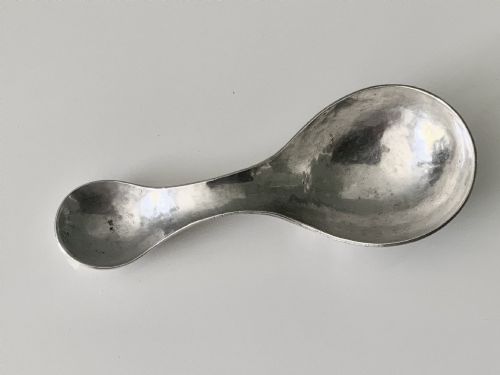
A georgian sterling caddy scoop is a small silver implement designed for measuring loose tea, combining practical utility with inventive period design.
Georgian Sterling Caddy Scoop
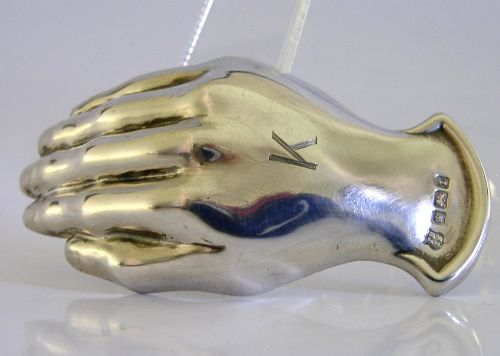
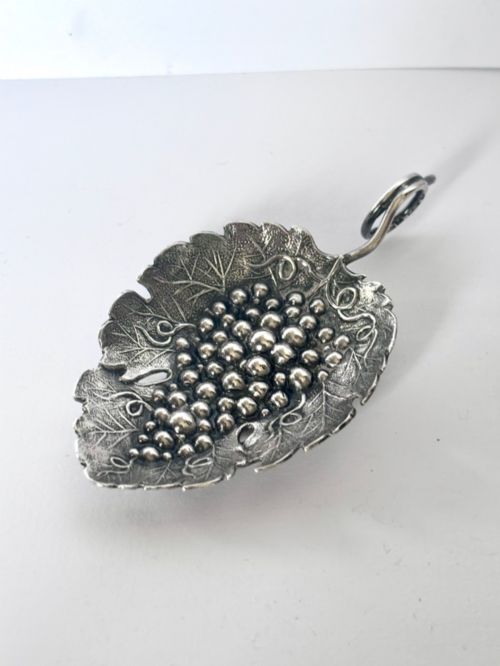
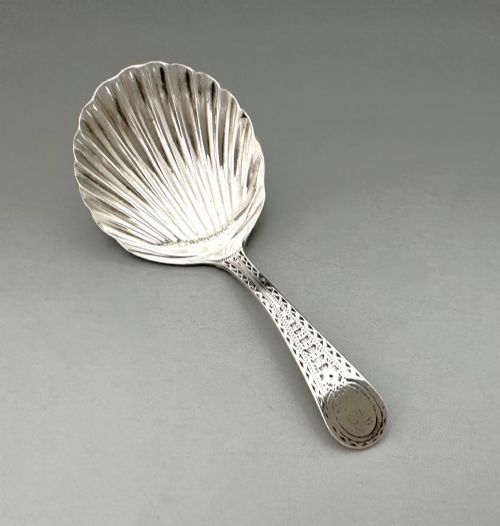
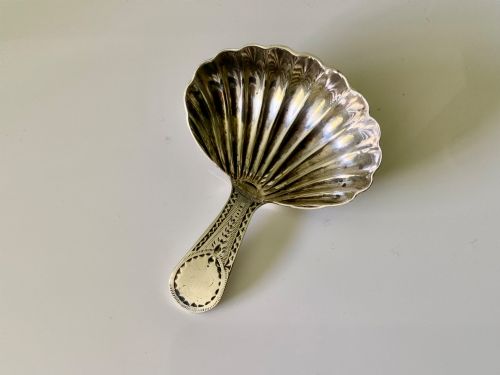
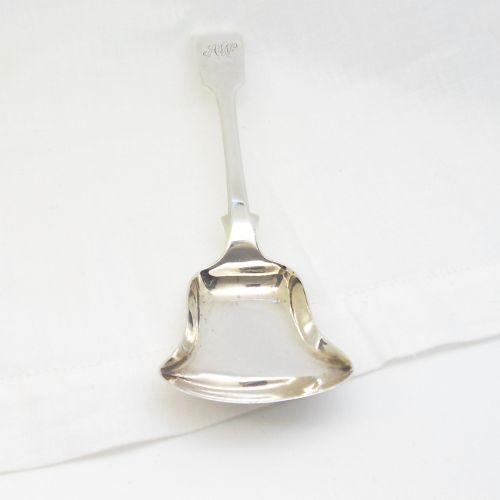
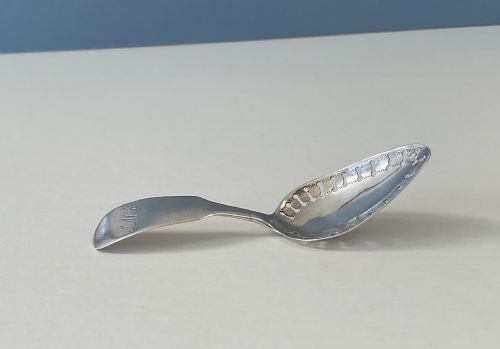
Most pieces seen here adopt specific figural and naturalistic forms, including vine leaf and grape motifs, jockey caps, novelty hands, and shell bowls. Plain shovel designs and engraved handles also occur frequently among the offerings.
How they were made
Makers shaped these scoops from sterling silver, occasionally applying parcel-gilt or silver-gilt finishes to the interior bowls to resist the tarnishing effects of tea leaves. Handles and bowls were formed through combinations of stamping, chasing, and hand engraving.
Provincial and London workshops utilised traditional silversmithing techniques, stamping hallmarks directly into the metal to record the maker, standard, and assay town.
Listings feature sterling silver and silver-gilt materials across Georgian, Victorian, Edwardian, and Regency periods.
What varies in quality
Quality rests in the distinctness of the stamping and the crispness of the hand engraving upon the handle and bowl. Novelty forms like jockey caps or vine leaves demonstrate higher sculptural ambition than standard shovel or plain spoon profiles.
The clarity of the hallmarks and the preservation of original parcel-gilt surfaces distinguish superior examples from heavily polished or worn pieces.
Joseph Willmore·John Walton·George Wintle
The Georgian Sterling Caddy Scoop Glossary
- Sterling silver
- A silver alloy containing 92.5 percent pure silver and 7.5 percent other metals, typically copper, used to ensure durability in small tableware.
- Parcel-gilt
- A metal object partially coated with a thin layer of gold, leaving parts of the underlying silver exposed for contrast.
- Assay office
- An official body that tested precious metals and applied hallmarks to guarantee the standard of purity.
- Double struck
- A silversmithing technique where dies are applied twice to create a raised pattern on both sides of a handle.
- Novelty spoon
- A spoon shaped to resemble an unrelated object, such as a cap or a hand, popular in Georgian and later designs.
Georgian Sterling Caddy Scoop: Frequently Asked Questions
What is a caddy scoop used for?
These small spoons were created to measure dry tea leaves from a storage caddy during tea preparation. Their compact bowls matched the precise capacity needed for domestic tea service.
Over time, collectors repurposed them as display items or decorative silver tableware rather than active kitchen implements.
How do I identify a Georgian piece?
Identification relies on reading the stamped hallmarks, which often include date letters, assay office marks, and maker stamps that correspond to the reigns of the Georgian monarchs. Stylistic details such as bright-cut engraving and shell-shaped bowls also point to this era.
Checking the style against known regional manufacturing centres helps confirm the origin of provincial pieces.
Why are some scoops gilded?
Silver-gilt or parcel-gilt finishes were applied to the bowls to protect the silver from the corrosive acids found in tea leaves. This treatment also added a decorative contrast between the gold interior and the silver handle.
Many surviving examples retain partial traces of this original gilding inside the bowl.
Are all these scoops from the eighteenth century?
While many examples date from the Georgian period, the selections include pieces from Victorian, Edwardian, and later twentieth-century periods. Design styles often crossed stylistic boundaries long after the initial Georgian era ended.
Examining the individual hallmarks provides the exact year of manufacture for each piece.