





Georgian Silver Shovel Scoop
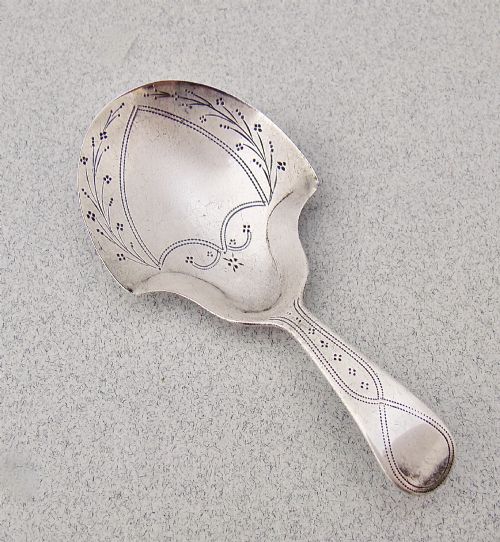
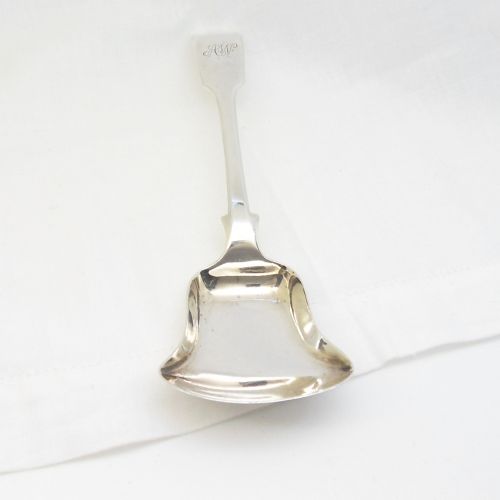
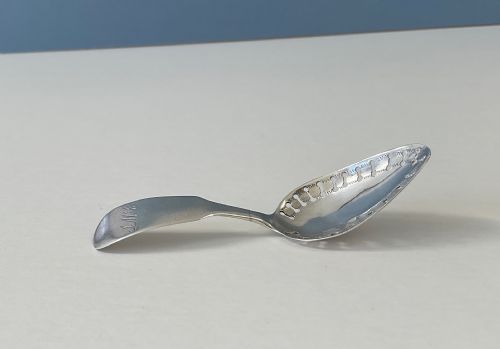
A georgian silver shovel scoop is a small, tactile tea caddy spoon designed to measure loose leaves with practical charm.
Georgian Silver Shovel Scoop
A georgian silver shovel scoop sits within the broader categories of caddy spoons, tea caddy spoons, and silverware, taking the form of a miniature spade or shovel. These items are principally found from the Georgian period, the eighteenth century, and eighteen hundred, alongside occasional Victorian, Edwardian, and nineteen hundred examples.
The most common form met on this page is the tea caddy spoon, alongside sugar shovels and novelty designs such as hand-shaped spoons. They originate from English silversmiths, including provincial makers in Newcastle, Glasgow, and London, reflecting distinct regional hallmarking traditions.
How they were made
These pieces are fashioned from sterling silver, with select examples featuring parcel-gilt or silver-gilt finishes that add a rich, contrasting interior glow to the bowl. Silversmiths utilised traditional forging and shaping techniques to create the characteristic flat shovel blade and sturdy short handle.
Makers struck their pieces with official hallmarks to verify the sterling standard, recording the assay office, date letter, and silversmith's mark directly onto the metal.
Georgian Silver Shovel Scoop Retail Price Guide 2026
Typical asking prices for georgian silver shovel scoop among the pieces listed under this phrase on Sellingantiques today, from the lower quarter to the upper quarter. They describe what is for sale here now, not the wider market.
Some silversmiths shaped the tea scoop like a tiny human hand, offering a polite grip for your afternoon brew.
What varies in quality
Quality rests in the crispness of the hallmarks and the preservation of the original form, where deep stamping and clear town marks elevate an example above worn counterparts. The thickness of the silver sheet and the balance of the shovel blade against the handle demonstrate the maker's underlying skill.
Novelty elements, such as hand-shaped bowls or intricate engraving, introduce variation in design complexity that distinguishes standard utility spoons from more ambitious workshop productions.
John Walton·George Wintle
The Georgian Silver Shovel Scoop Glossary
- Caddy spoon
- A small spoon designed specifically for measuring tea leaves from a caddy into a teapot. These implements developed diverse shovel, leaf, and shell bowl shapes during the Georgian era.
- Hallmark
- An official stamp applied to precious metals to guarantee purity and origin. British silver carries symbols denoting the maker, assay office, and year of testing.
- Sterling silver
- An alloy consisting of ninety-two point five percent silver and seven point five percent other metals, chiefly copper. This standard ensures durability while maintaining a bright metallic lustre.
- Parcel-gilt
- A method where only specific portions of a silver object are gilded with gold. This technique highlights engraved details or the interior of a shovel bowl against bright silver.
- Provincial silver
- Silverware manufactured outside of London, bearing marks from regional assay offices such as Newcastle or Glasgow. These pieces often display distinct local stylistic traits.
Georgian Silver Shovel Scoop: Frequently Asked Questions
What was a silver shovel scoop used for?
These small scoops served as functional measures for portioning precious tea leaves from storage caddies into the pot. Their flat shovel shape allowed merchants and households to gather loose leaves cleanly.
Over time, they evolved from utilitarian kitchen tools into decorative tableware items displayed during formal tea ceremonies.
How do I identify a Georgian silver spoon?
Identification relies primarily on the stamped hallmarks, which reveal the assay office and a specific date letter corresponding to the reign of the Georgian monarchs. Examining the stylistic restraint and manufacturing techniques also helps confirm the period.
Provincial pieces often carry distinct regional maker marks that assist in tracing their exact origin and manufacturing decade.
What is the difference between silver and silver-gilt?
Standard silver displays the natural white metallic lustre of sterling silver throughout the entire piece. Silver-gilt and parcel-gilt items feature a thin layer of gold applied over the silver surface.
This gold wash protects the underlying metal from tarnishing and provides a warm, contrasting colour to the bowl interior.
How should I care for antique silver spoons?
Antique silver benefits from gentle cleaning with a soft cloth and mild, non-abrasive silver cleaner only when necessary to remove heavy tarnish. Preserving the dark oxidation in recessed hallmarks maintains the historical legibility of the marks.
Storing them in acid-free tissue or dedicated lined boxes protects the delicate shovel bowls from scratches.