
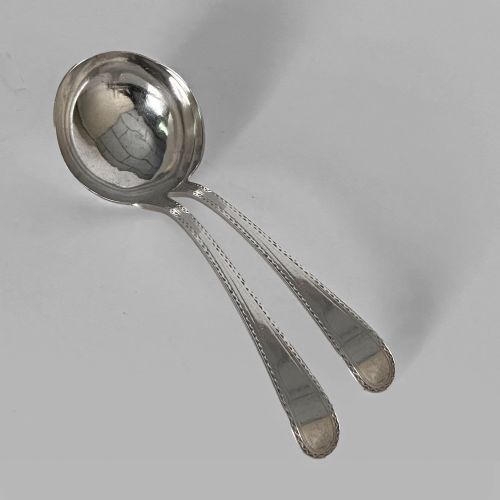
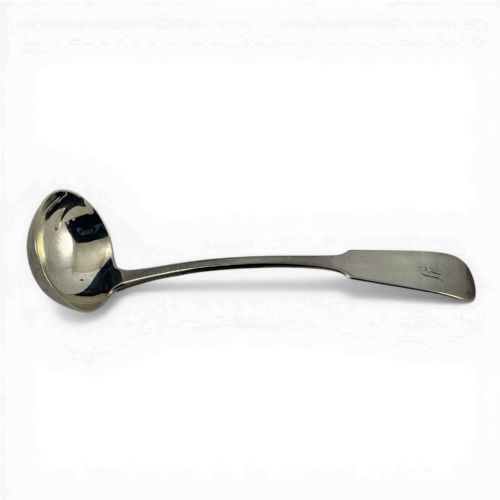


Georgian Soup Spoon
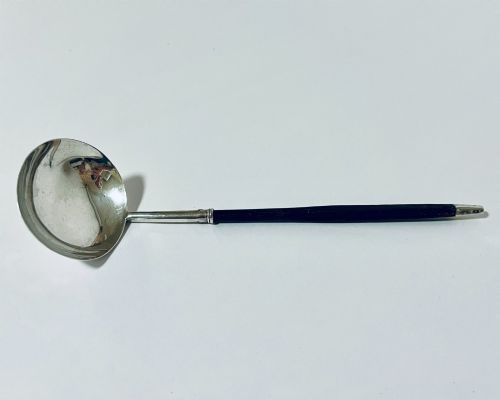
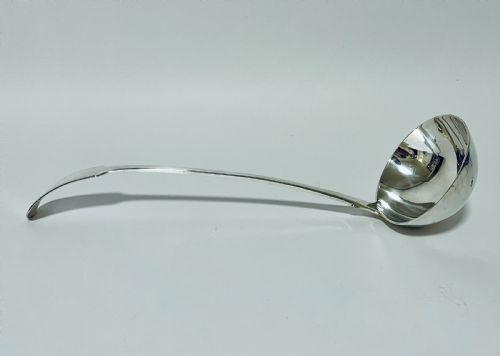
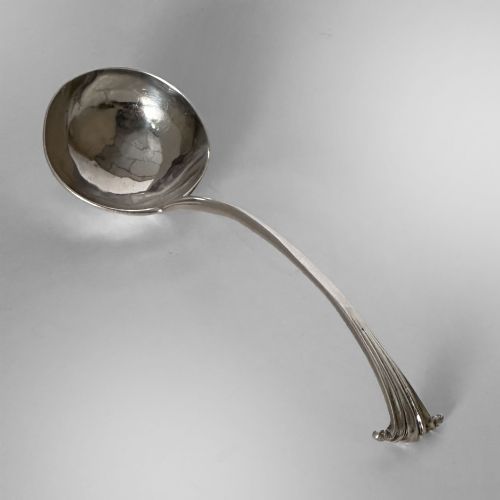
A Georgian soup spoon brings functional elegance to the table, taking the form of a generous ladle fashioned in silver, pewter, or brass.
Georgian Soup Spoon
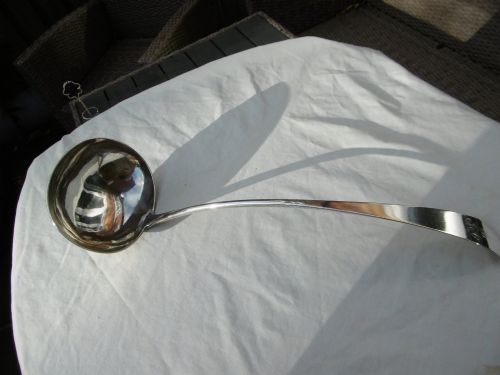
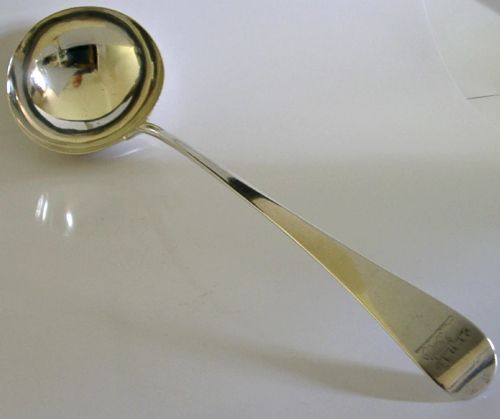
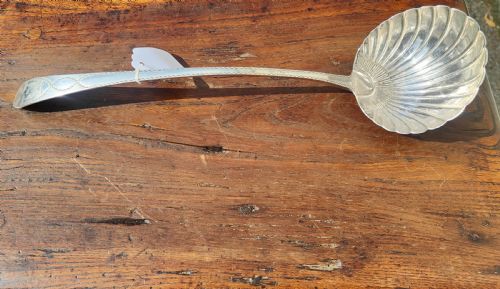
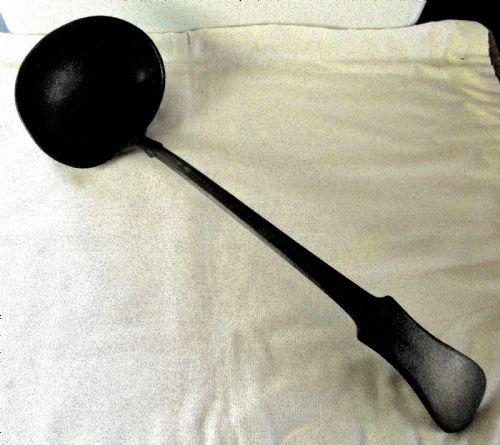
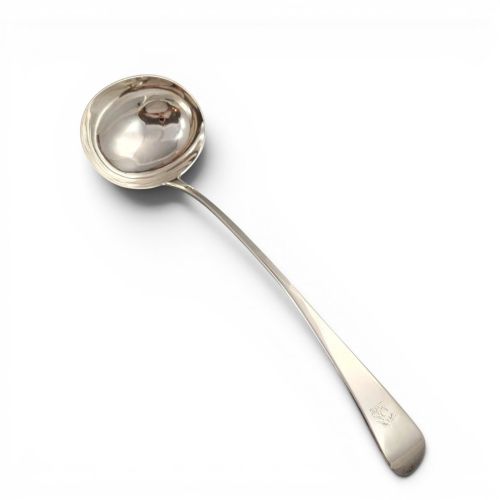
A georgian soup spoon on this page typically appears as a large silver or pewter ladle designed for serving broth and punch. These pieces span the eighteenth century and the nineteenth century, reflecting domestic dining habits of the period.
How they were made
Silversmiths and pewterers shaped these utensils from sterling silver, pewter, brass, and occasionally wood or horn. Metal components were hammered, cast, and hand-finished with engraved crests or threaded borders.
Pattern variations such as the Old English pattern required precise manual shaping and balancing to produce durable tableware for daily dining or formal service.
What varies in quality
The standard of a piece rests upon the weight of the metal, the clarity of the maker mark, and the crispness of any engraved crest. Substantial weight and balanced proportions distinguish finer examples from standard production.
Provincial pieces and items bearing specific town marks or attributed to noted makers often display superior craftsmanship in their handles and bowl formation.
Milne and Campbell·Hester Bateman·Dixon and Son·William Ferguson·Jamieson and Naughton·Michael Smith
The Georgian Soup Spoon Glossary
- Sterling silver
- A silver alloy containing 92.5 percent pure silver by mass, standard for quality British tableware. This material provides the primary substance for the finest spoons and ladles.
- Old English pattern
- A traditional eighteenth-century flatware design featuring a downward-turning handle end and a crisp central rib. It remains a common style among the silver items listed.
- Pewter
- A malleable metal alloy consisting primarily of tin, used to create domestic utensils and ladles. Pewter pieces offer a distinct matte finish compared to polished silver.
- Assay mark
- An official stamp indicating the purity of precious metal and the place of testing. These marks help determine the origin and date of silver items.
Georgian Soup Spoon: Frequently Asked Questions
How do I identify a Georgian spoon?
Identification relies on examining the physical style, handles, and any stamped maker marks or hallmarks. Sterling silver pieces often carry town marks and date letters that point to specific assay offices.
Matching the pattern, such as the Old English style, and checking the weight help confirm the period. Provincial pieces often display distinct regional maker stamps.
Can I use these for dining?
Many buyers choose to use these silver and pewter ladles for formal dinners or daily service. Their robust construction in sterling silver or durable metal makes them fully functional tableware.
Careful hand washing helps preserve the antique metal surfaces and any engraved crests over time.
What materials were used?
The primary material is sterling silver, though silver, pewter, and brass are also represented in the listings. Some items incorporate components of wood or horn in their construction.
Silversmiths utilised these metals to create durable flatware that survived centuries of domestic use.