




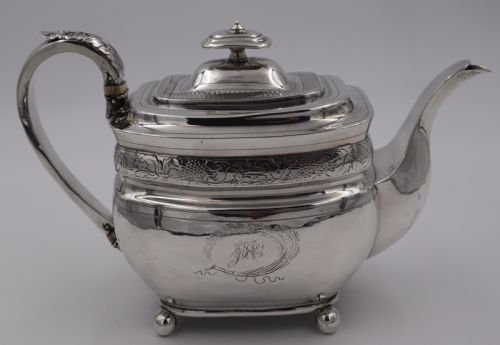


Georgian Solid Silver Pot
A georgian solid silver pot carries the weight of centuries past, offering timeless elegance and practical service for tea, coffee, and condiments.
Georgian Solid Silver Pot
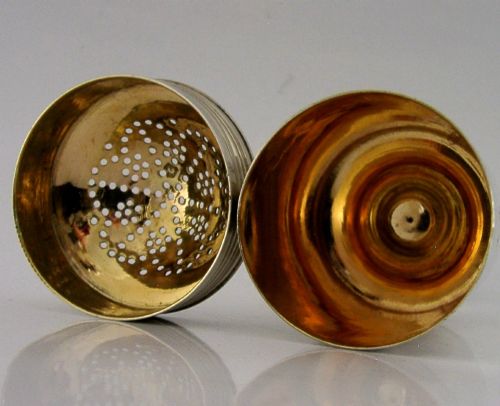
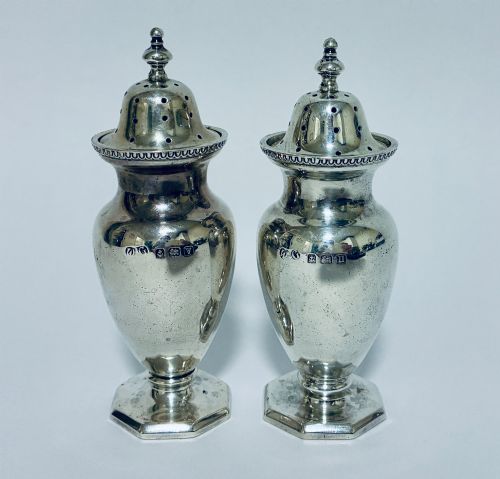
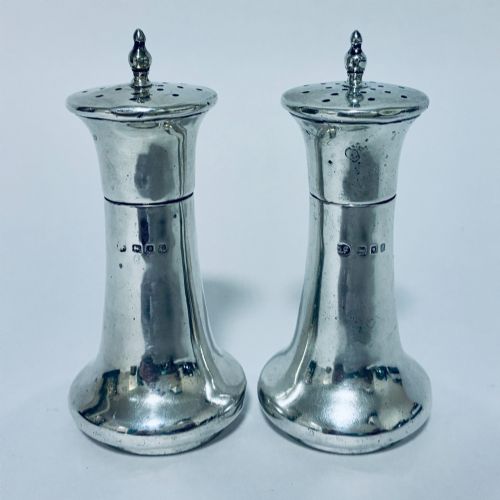
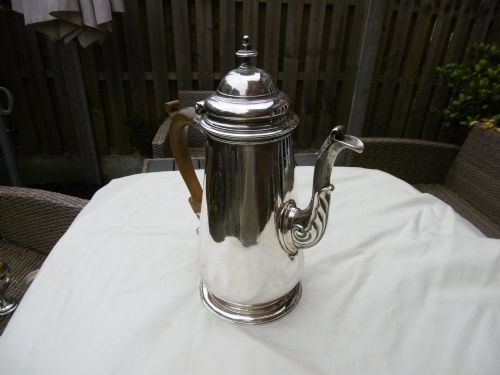
When searching for a georgian solid silver pot, collectors encounter various forms ranging from generous teapots and coffee pots to smaller mustard, pounce, and pepper pots. Teapots and coffee pots dominate the selection, often accompanied by matching stands and trays from the same period.
While the true Georgian era provides many examples, pieces span from the eighteenth century into later revivals, reflecting the enduring popularity of these classic forms. Provincial pieces from Newcastle and York sit alongside major London makes, showing distinct regional marks and manufacturing traits.
Desk accessories and tableware appear alongside beverage vessels, widening the scope of solid silver holloware available. Each vessel fulfills a specific domestic role, whether dispensing tea in the parlour or holding ink upon a writing desk.
Materials and construction
Makers utilised sterling silver and silver-gilt, hammering and shaping the metal into complex forms such as melon shapes and fluted designs. Elements like wood, ebony, and velvet appear as handles and insulators, managing heat conduction on beverage vessels.
Craftsmen applied cast details like acanthus leaves and coronet-like finials to bodies raised from sheet silver. Engraving and hallmarks stamped directly into the metal record the assay office, date letter, and maker's mark.
Georgian Solid Silver Pot Retail Price Guide 2026
Typical asking prices for georgian solid silver pot among the pieces listed under this phrase on Sellingantiques today, from the lower quarter to the upper quarter. They describe what is for sale here now, not the wider market.
Some teapots feature sea spume and melon shapes, proving that silversmiths found great inspiration in the greengrocer's market and the ocean wave.
Judging quality in silver pots
The distinction between ordinary and exceptional rests on the crispness of chased decoration and the balance of the overall silhouette. Heavy gauge silver provides a reassuring weight in the hand, avoiding the flex found in lighter, lesser examples.
Maker attribution elevates certain items, as pieces bearing the punch of renowned silversmiths command greater attention. The integrity of internal joints, well-fitted lids, and undamaged hallmarks complete the criteria for superior manufacture.
Richard Gurney·William Grundy·Edward Power·Matthew Boulton·Joseph Craddock·Robert Hennell II·Daniel Pontifex·Barnard·John Bridge·Robert Hennell·Viners
The Georgian Solid Silver Pot Glossary
- Hallmark
- A series of stamped marks on precious metals indicating the standard of purity, assay office, maker, and date of manufacture. These small punches serve as the primary tool for authenticating antique silver.
- Pounce pot
- A small shaker container used to sprinkle sand or resin powder over freshly written ink to speed up drying. They often feature perforated lids.
- Finial
- A decorative knob or ornament attached to the top of a lid for lifting. On teapots and coffee pots, these are frequently cast in floral or abstract shapes.
- Silver-gilt
- Sterling silver that has been coated with a thin layer of gold on its surface. This technique adds a rich, warm interior or accent to silver holloware.
- Holloware
- Tableware and vessels such as teapots, coffee pots, and tankards that are hollow in construction. They require advanced metalsmithing skills to raise from flat sheet metal.
Georgian Solid Silver Pot: Frequently Asked Questions
Can I still use these pots for tea?
Many solid silver teapots and coffee pots remain structurally sound and capable of holding hot liquids.
Collectors often prefer to display them as decorative art due to their age and historical significance.
What is a pounce pot used for?
A pounce pot held fine powder sprinkled over handwritten documents before blotting paper became common.
The powder absorbed excess ink and smoothed the paper surface for further writing.
How do I read silver hallmarks?
Hallmarks usually show a leopard head for London, a lion passant for sterling standard, and a distinct letter indicating the exact year.
The maker's initials appear alongside these symbols, identifying the workshop responsible for the piece.