



Georgian Silver Condiment Pot
A georgian silver condiment pot brings unmistakable weight and gleam to the table, and these pieces offer genuine period character for daily dining.
Georgian Silver Condiment Pot
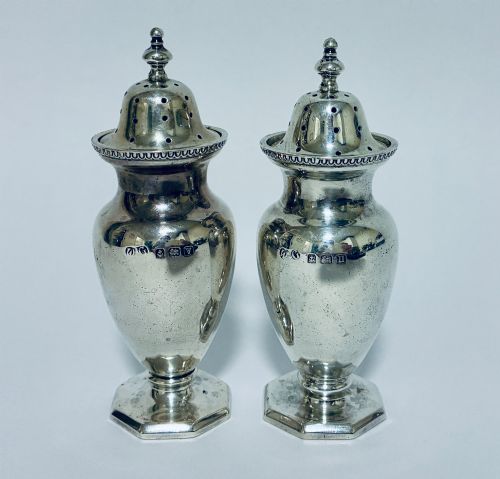
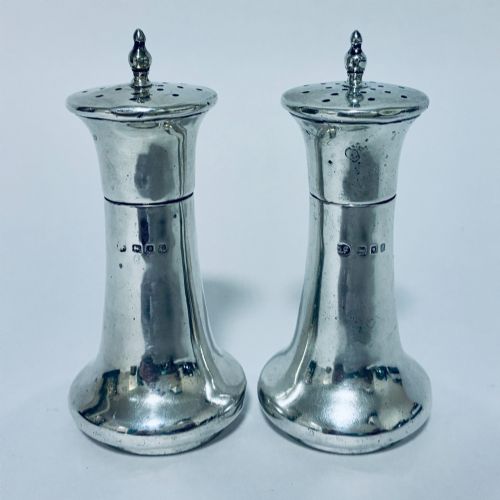
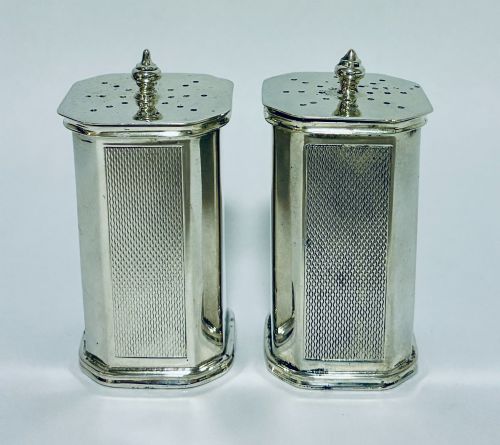
A georgian silver condiment pot spans functional forms such as mustard pots, pepper casters, salt cellars and complete cruet sets. These vessels held the essential table seasonings for eighteenth and nineteenth century meals, designed to sit upon the dining board in matching or paired groups.
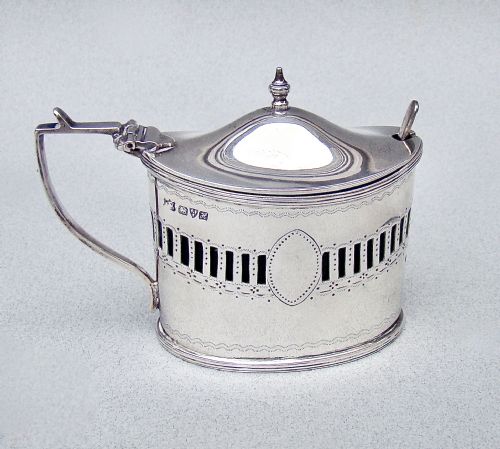
The version most commonly met on this page is the individual mustard pot, often accompanied by pepper pots and salt cellars in sterling silver. Examples range from authentic eighteenth century originals to later revival pieces created in the Edwardian era and the early twentieth century.
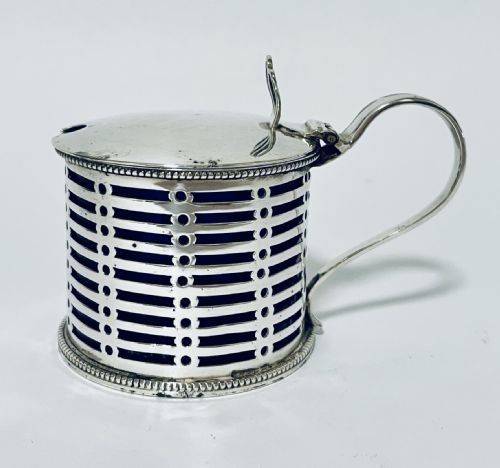
Makers produced these wares in varied stylistic idioms, encompassing classic Georgian lines alongside later Georgian Revival interpretations and Victorian flourishes. Collectors encounter drum shapes, wirework tubs and pedestal forms bearing hallmarks from various British assay offices.
Materials and construction
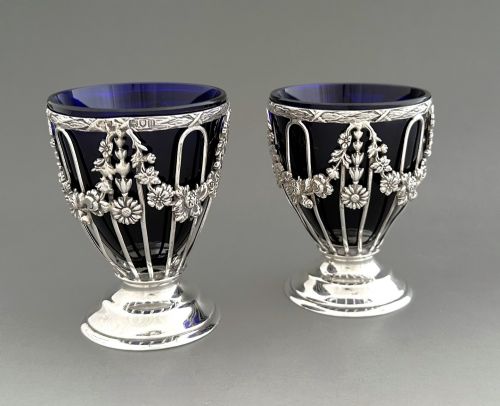
Silversmiths constructed these condiment vessels primarily from sterling silver and solid silver, hammering and shaping sheet metal or casting heavier components. Many items incorporate fitted glass liners, frequently in deep cobalt blue glass, which protected the metal from corrosive salts and mustards.
Interiors often retain original gilt washes, known as vermeil, which added a rich gold tone and prevented the silver from tarnishing upon contact with condiments. Pierced wirework designs required skilled soldering and delicate metal manipulation to create openwork frames around coloured glass inserts.
Georgian Silver Condiment Pot Retail Price Guide 2026
Typical asking prices for georgian silver condiment pot among the pieces listed under this phrase on Sellingantiques today, from the lower quarter to the upper quarter. They describe what is for sale here now, not the wider market.
Listings span the Georgian, Regency, Victorian, and Edwardian periods, utilising sterling silver, cobalt blue glass, and velvet.
Distinctions in quality
Quality rests upon the crispness of the maker marks, the thickness of the silver gauge, and the overall balance of the form. Pieces featuring hand-pierced detailing and substantial weight demonstrate superior craftsmanship compared to lighter, stamped later productions.
The survival of matching components, such as original spoons, correct glass liners, and unblemished gilding, elevates the standing of a piece. Finer examples retain sharp, legible hallmarks that securely trace the silversmith and the year of assay.
Alfred Marston·Charles Fox II·Matthew Boulton·Robert Hennell I·Charles Stuart Harris·Viners
The Georgian Silver Condiment Pot Glossary
- Hallmark
- Official stamps struck into precious metals to guarantee purity and identify the maker, assay office, and year of manufacture. These marks provide the definitive record for dating British silver.
- Caster
- A small perforated vessel used for sprinkling dry seasonings like sugar or pepper over food. Early examples often feature removable pierced lids secured by a bayonet catch.
- Drum mustard pot
- A cylindrical container with a flat top and hinged lid, typical of eighteenth century design. This sturdy form frequently stands on a plain circular foot.
- Vermeil
- A technique of applying a thin layer of gold over sterling silver. This finish protects the silver interior from the acidic nature of mustard.
Georgian Silver Condiment Pot: Frequently Asked Questions
What is a georgian silver condiment pot used for?
These vessels served mustard, pepper, salt, and other table seasonings during formal and everyday dining. They held condiments safely away from direct contact with bare wood or cloth tables.
Today, collectors use them to complete antique table settings or to serve condiments at modern dinner parties. Their small scale makes them accessible display items for sideboards and cabinets.
How do I clean a silver condiment pot?
Wash the silver gently in warm soapy water using a soft cloth, avoiding harsh abrasive dips that strip aged patination. Remove any glass liners beforehand to clean them separately.
Dry the metal thoroughly with a lint-free cloth to prevent water spots. Store pieces in dry environments away from direct sunlight to maintain the finish.
Are these pots made of solid silver?
The listings on this page consist of sterling silver and solid silver constructions, often paired with glass inserts. Silversmiths used durable silver alloys to withstand regular dining use.
Examining the stamped hallmarks on the base or lid confirms the metal standard. These official marks guarantee the silver content.
How do I tell an original Georgian pot from a revival piece?
Examine the style of the hallmarks, the wear patterns on the base, and the construction techniques used on the body. Original eighteenth century pieces show specific assay marks and manufacturing methods distinct from Edwardian revivals.
Revival pieces, such as those from the early twentieth century, often bear clear twentieth century date letters despite copying earlier Georgian aesthetics.