


Georgian Small Dresser
When a buyer searches for a georgian small dresser, they encounter compact timber furniture built for storage and display.
Georgian Small Dresser
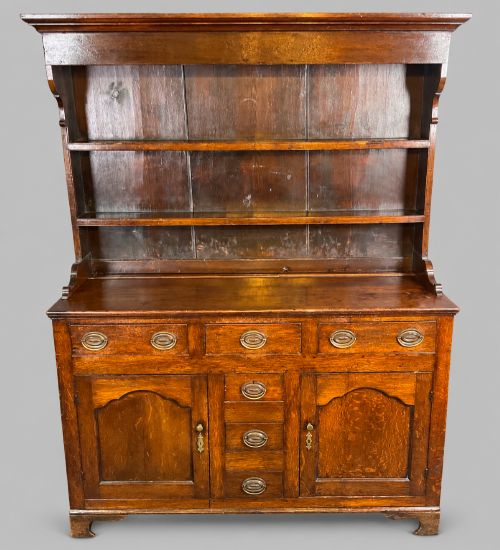
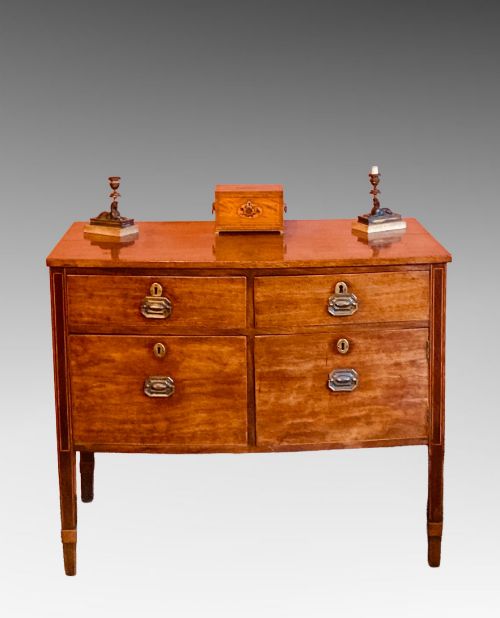
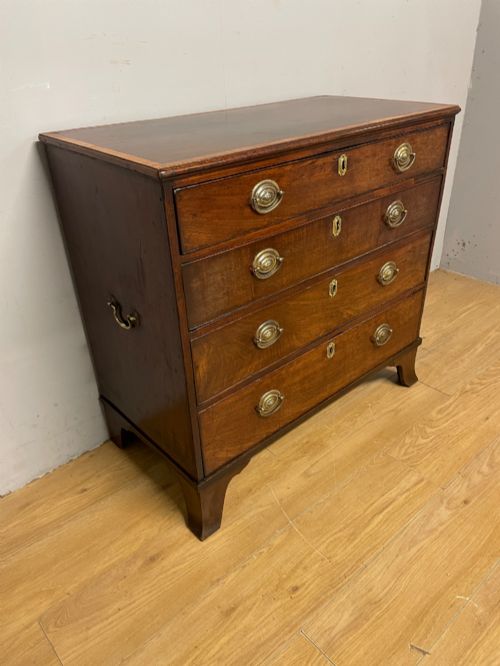
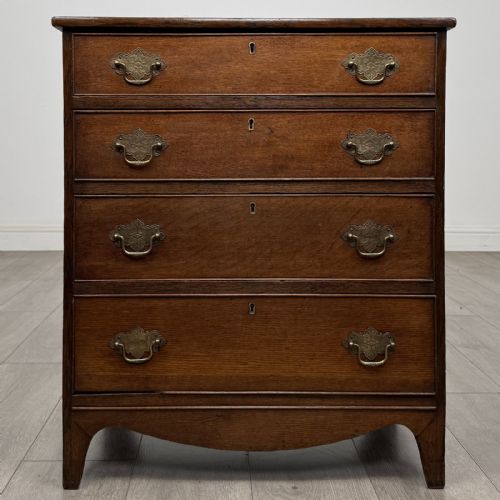
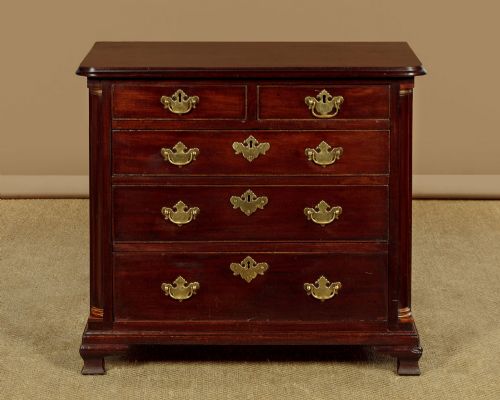
The search phrase georgian small dresser directs attention to compact timber furniture built for domestic storage and display during the eighteenth and early nineteenth centuries. These items serve functional roles in domestic interiors through fitted drawer tiers, serving surfaces, and upper plate racks.
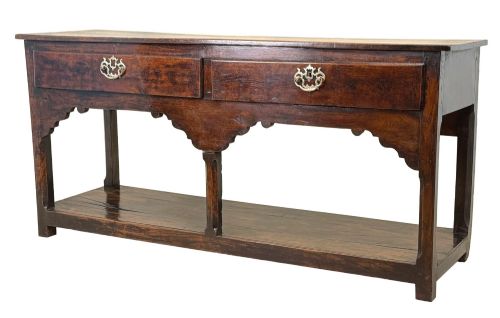
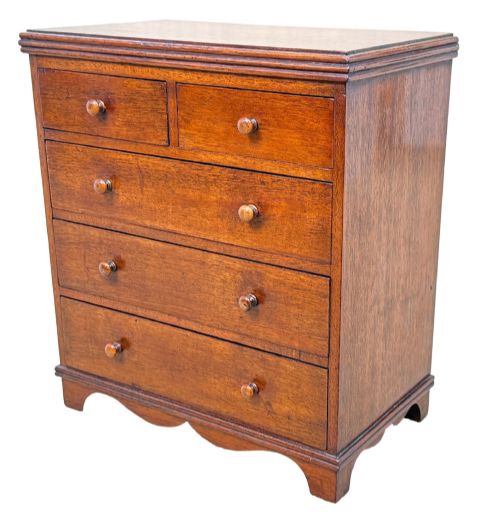
Buyers frequently meet oak dresser bases, potboard dressers with plate racks, and serving dressers originating from Welsh and English regional workshops. Proportions remain notably reduced compared to standard farmhouse furniture, accommodating smaller room dimensions.
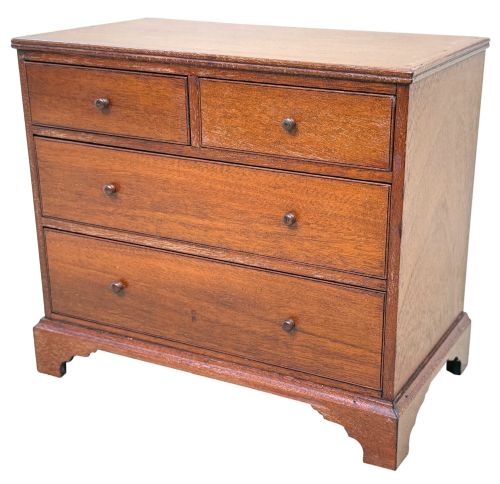
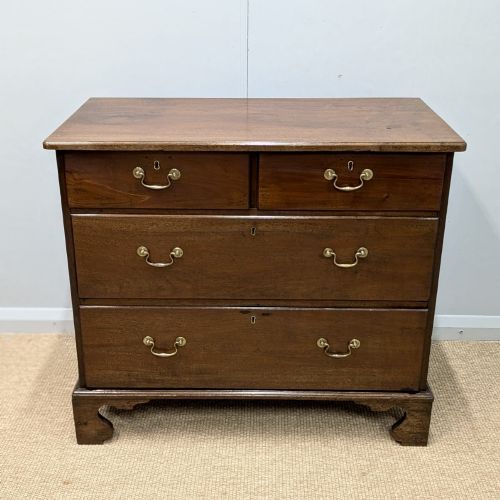
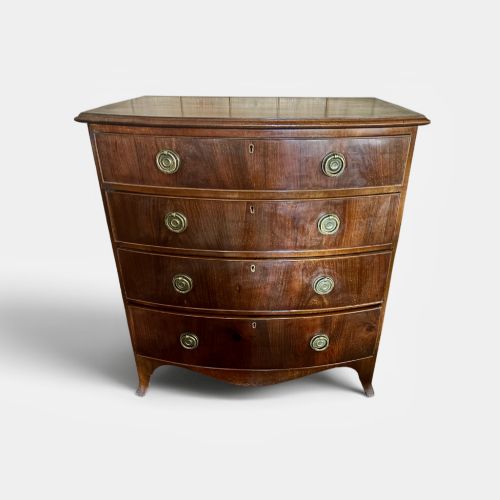
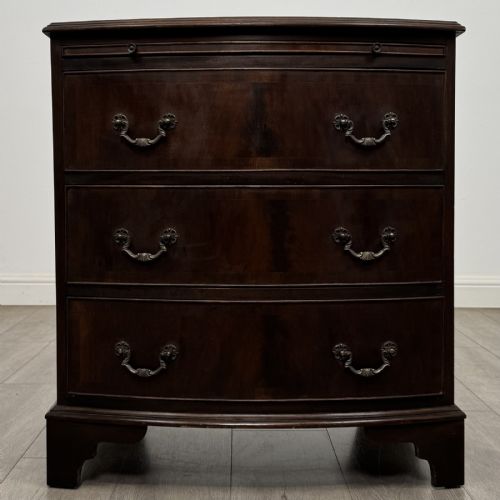
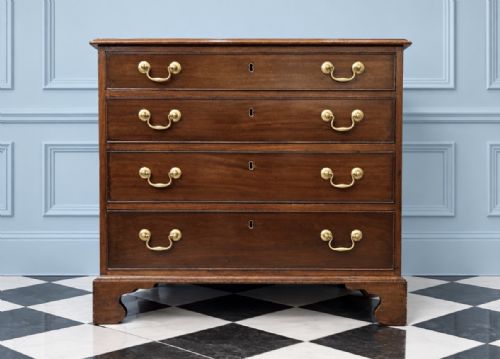
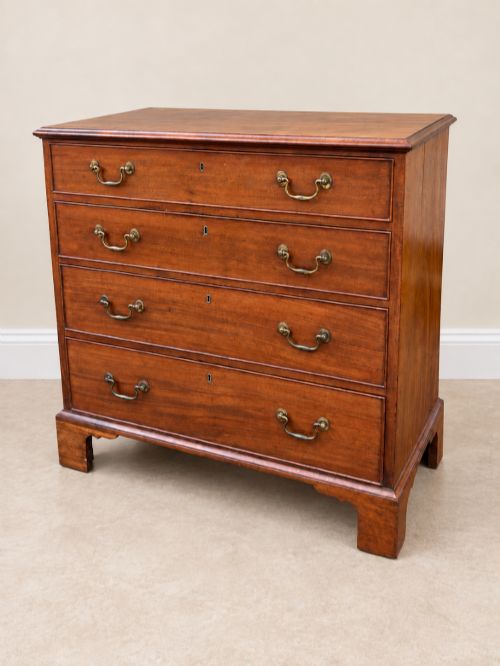
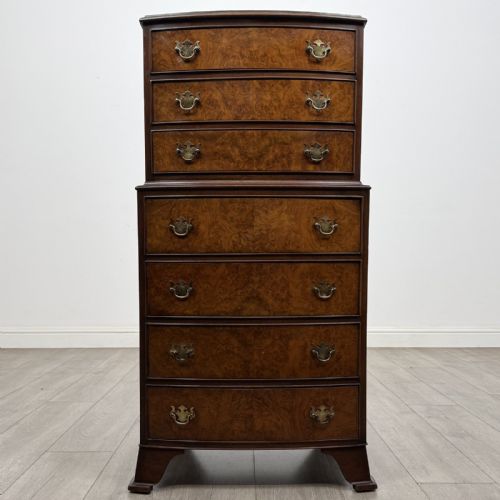
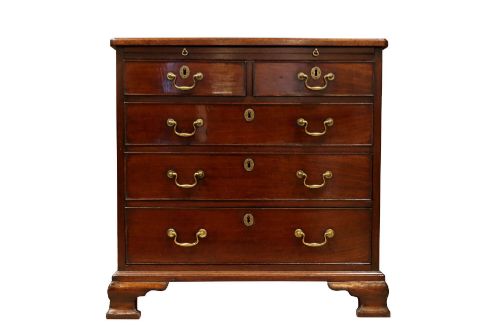
Alternative forms include bachelor's chests, bow front chests, and serpentine drawer units executed in mahogany or walnut. These variations reflect domestic habits spanning the Georgian, Regency, and later revival periods.
What varies in quality
Construction integrity separates standard utility furniture from superior cabinet work, evident in the tightness of dovetails and the thickness of drawer baseboards. Timber selection dictates visual hierarchy, where well-figured mahogany or quarter-sawn oak distinguishes finer workshops.
Surface preservation and original patination determine desirability, as uncompromised timber finishes retain depth through age. The retention of original hardware, bracket feet, and functioning locks maintains historical value across regional and urban examples.
Georgian Small Dresser Retail Price Guide 2026
Typical asking prices for georgian small dresser among the pieces listed under this phrase on Sellingantiques today, from the lower quarter to the upper quarter. They describe what is for sale here now, not the wider market.
Certain Welsh dressers conceal secret compartments within their drawer tiers for safely hiding small valuables.
The Georgian Small Dresser Glossary
- Potboard dresser
- An open-shelf base unit featuring a low potboard shelf near the floor instead of enclosed cupboards. This platform stored heavy ceramics and kitchen utensils.
- Brushing slide
- A pull-out wooden shelf integrated above the top drawer of a chest or dresser base. It provided a temporary surface for grooming or sorting documents.
- Crossbanding
- A border veneer applied around the perimeter of a drawer front or top surface, where wood grain runs perpendicularly to the central panel. This technique created visual contrast on walnut and mahogany furniture.
- Bracket foot
- A structural foot supporting the corners of case furniture, shaped into an ogee or simple mitered bracket profile. It replaced heavier plinth bases during the eighteenth century.
- Serpentine
- A horizontally curved front shape featuring a convex centre flanked by concave wings. This sophisticated moulding style required skilled hand-shaping of solid timber.
Georgian Small Dresser: Frequently Asked Questions
How do you date a Georgian dresser?
Dating relies on examining construction techniques, timber choices, and hardware styles across the piece. Hand-cut dovetailing, pegged joints, and original brasses provide primary chronological indicators.
Regional variations in oak country pieces differ from urban mahogany examples, though shared stylistic traits help narrow production eras between the early eighteenth and early nineteenth centuries.
Where were these dressers made?
Regional workshops across Wales and English counties produced the majority of oak dresser bases and potboard units. Local joiners utilised native timber supplies to build furniture for rural homesteads.
Urban cabinet makers in London and provincial cities worked with imported mahogany and walnut to supply fashionable townhouses with refined chests and serving surfaces.
How do I maintain wood patination?
Maintaining historical surfaces involves applying natural beeswax sparingly and avoiding modern silicone-based polishes. Keeping furniture away from direct heat sources prevents timber splitting and veneer lifting.
Gentle dusting with a soft dry cloth preserves the accumulated surface sheen developed over centuries of domestic use.