





Georgian Slat Back Chair
These georgian slat back chair pieces offer sturdy regional construction and timeless timber frames that anchor a traditional interior.
Georgian Slat Back Chair
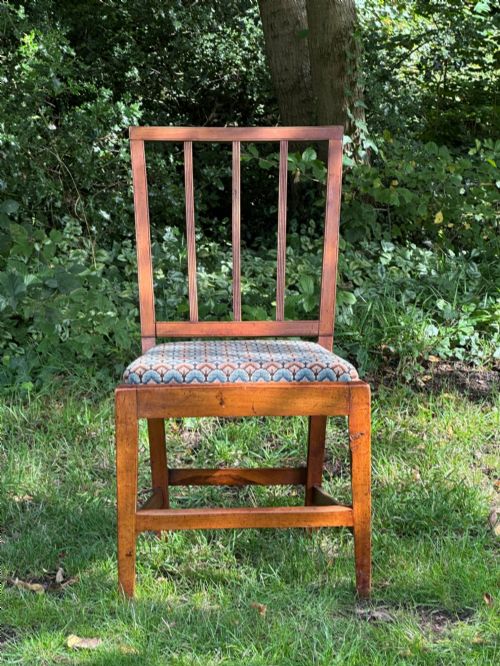
When you search for a georgian slat back chair, you encounter practical seating originating from the eighteenth and nineteenth centuries. These pieces encompass dining chairs, armchairs, and corner chairs shaped by vernacular and classical hands alike.
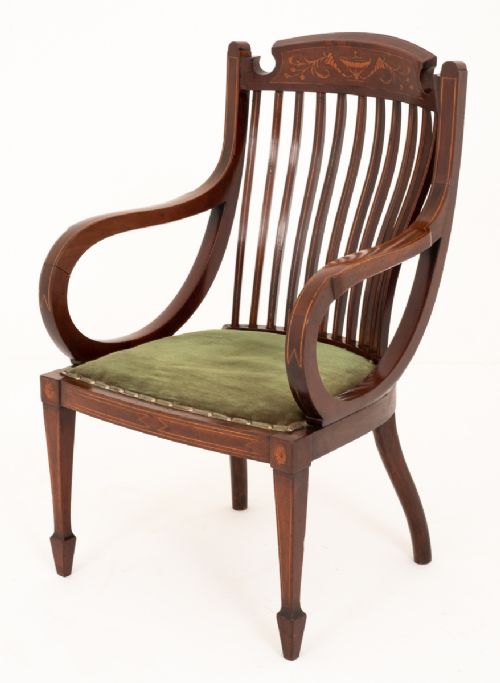
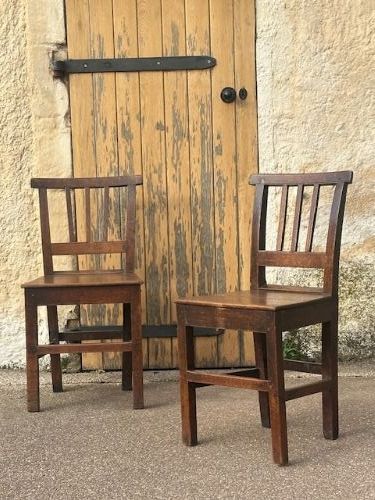
The versions most frequently met on this page span robust country elm and oak designs alongside finer mahogany examples reflecting George III and Sheraton Revival aesthetics. Regional variants from Scotland, Wales, and northern districts appear regularly among the selections.
Makers ranged from city cabinet makers to local joiners producing functional furniture for everyday domestic use. Each piece carries the distinct structural signatures of its geographical origin and period.
How they were made
Makers utilised solid native timbers such as oak, elm, birch, and imported mahogany, often combining woods within a single frame for structural strength. Frames were constructed using traditional joinery techniques, featuring pegged mortise and tenon joints designed to withstand heavy daily use.
Upholstered variations incorporated drop-in pads or fixed seats covered in leather, velvet, tapestry, or woven fabric, secured with brass tacks. Wood surfaces were finished with wax or oil to nourish the timber and develop a deep natural sheen over generations of handling.
Georgian Slat Back Chair Retail Price Guide 2026
Typical asking prices for georgian slat back chair among the pieces listed under this phrase on Sellingantiques today, from the lower quarter to the upper quarter. They describe what is for sale here now, not the wider market.
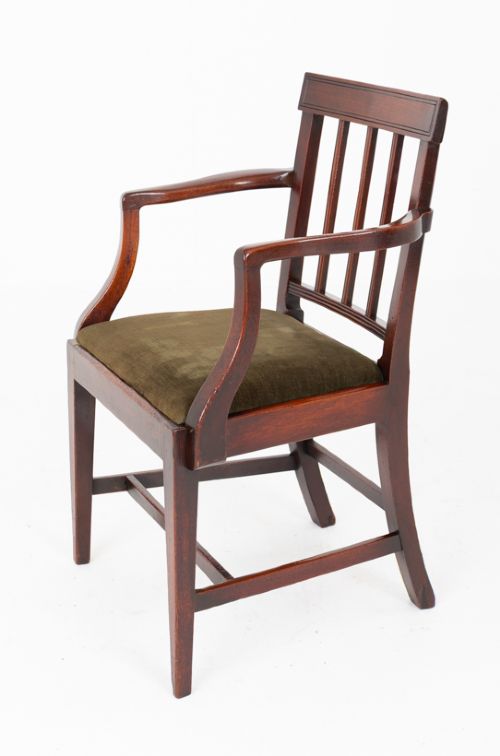
Several armchairs include generous proportions once designated specifically for grandfathers who claimed the best seat by the hearth.
What varies in quality
The distinction between ordinary and exceptional examples rests upon the selection of timber and the crispness of the joinery. Superior pieces display thoughtful grain matching and well-proportioned slats that offer both comfort and visual balance.
Regional character also dictates desirability, where untouched vernacular pieces with original surface patination command greater appreciation than heavily restored equivalents. The integrity of the frame construction ultimately separates utilitarian workshop output from refined cabinet work.
The Georgian Slat Back Chair Glossary
- Vernacular
- Furniture made by local craftsmen for regional use rather than following metropolitan high-style fashions. These pieces often employ native woods like elm and oak.
- Commode chair
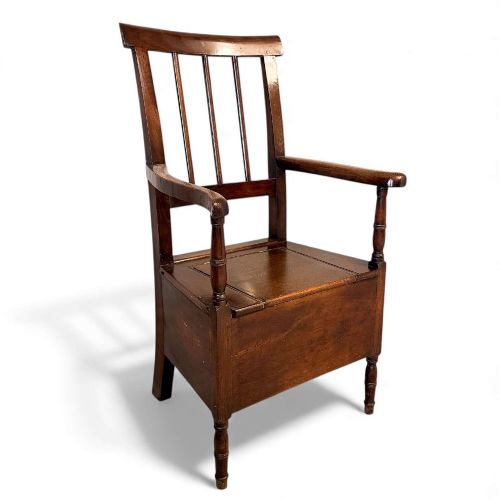
- A seating form fitted with a concealed interior compartment or chamber pot beneath a removable seat. Early examples date back to the late seventeenth and early eighteenth centuries.
- Sheraton Revival
- A late nineteenth-century design movement inspired by the lighter neoclassical furniture of George Thomas Sheraton. Pieces from this revival often feature delicate mahogany inlays.
- Corner chair
- A square-form chair designed to fit neatly into the corner of a room, featuring a diagonal seat and a continuous curved backrest supported by turned pillars.
- Elm
- A tough, interlocking timber commonly used in country seating for its resistance to splitting under stress. It provides strong seat foundations in vernacular chairs.
Georgian Slat Back Chair: Frequently Asked Questions
How do I date a slat back chair?
Dating relies upon examining the timber species, joinery methods, and tool marks left by the maker. Earlier pieces often display hand-sawn surfaces and pegged joints.
Style transitions also provide clues, as vernacular country designs often lagged behind metropolitan fashions by several decades.
Were these chairs used for dining?
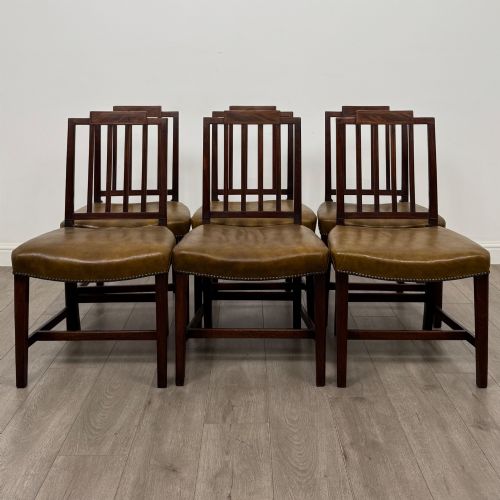
Many slat back examples served around dining tables, particularly when found in matched sets of six or eight. Single armchairs were typically reserved for the head of the household or used as fireside seating.
Smaller side chairs and corner chairs fulfilled auxiliary seating duties in parlours and bedrooms.
How do I care for antique timber?
Maintain antique wood by keeping it away from direct heat sources and sudden humidity changes that cause timber to crack. Apply a quality beeswax polish sparingly to feed the grain.
Avoid modern silicone-based sprays, which build up harmful residues over time.
What is vernacular furniture?
Vernacular furniture refers to pieces built by local regional joiners using available materials rather than following strict London design patterns. These items reflect the practical needs and wood choices of specific rural communities.
Scottish and Welsh examples show distinct local building traits.