
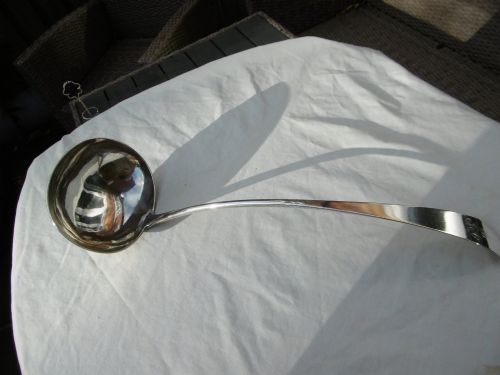
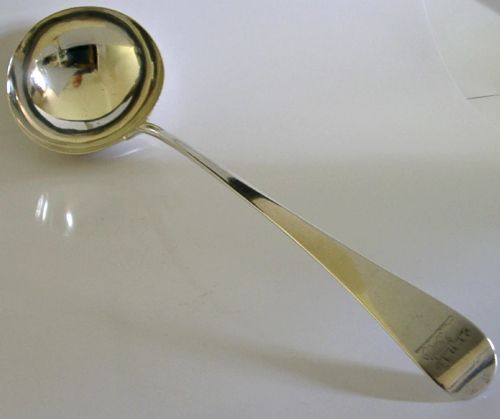
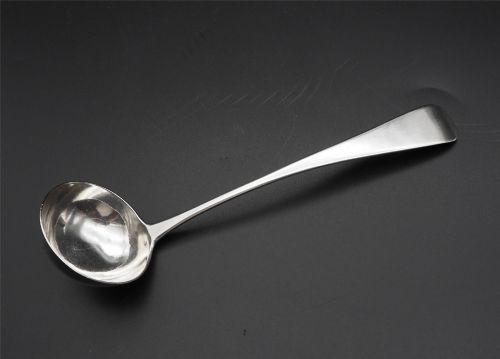
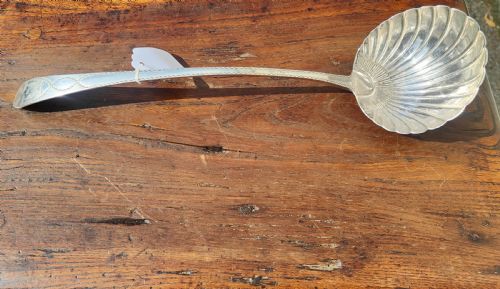


Georgian Silver Soup Ladle
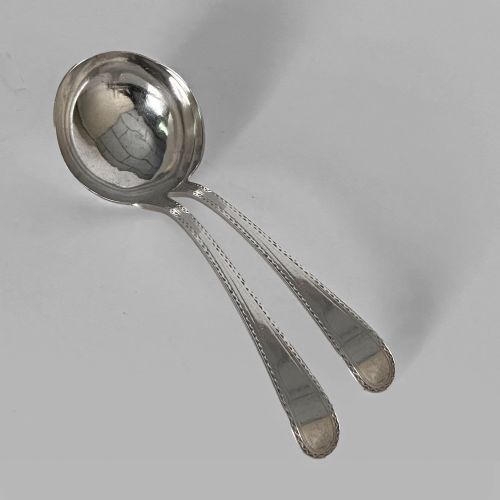
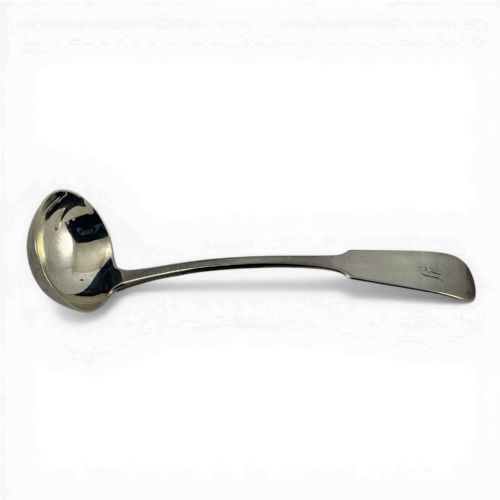
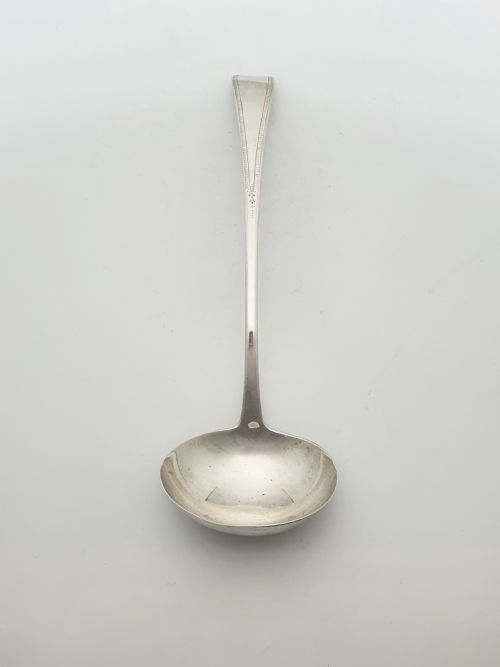
A georgian silver soup ladle brings considerable weight and refined pattern work to the formal dining table.
Georgian Silver Soup Ladle
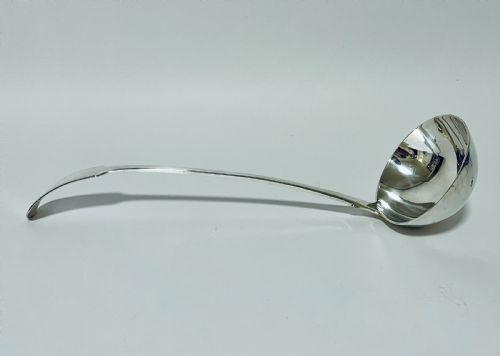
A georgian silver soup ladle is a substantial serving utensil designed for deep bowls, appearing across the eighteenth century and into the nineteenth century. These pieces emerge from periods classified as Georgian, 18th Century, 1800, Victorian, and 19th Century.
The form encompasses serving utensils, soup ladles, punch ladles, and sauce ladles, often categorized broadly as silverware and flatware. Scottish provincial examples from towns such as Banff, Elgin, Inverness, and Glasgow frequently appear alongside London-made pieces.
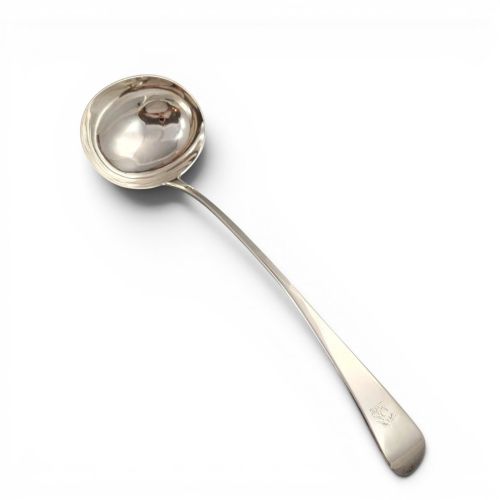
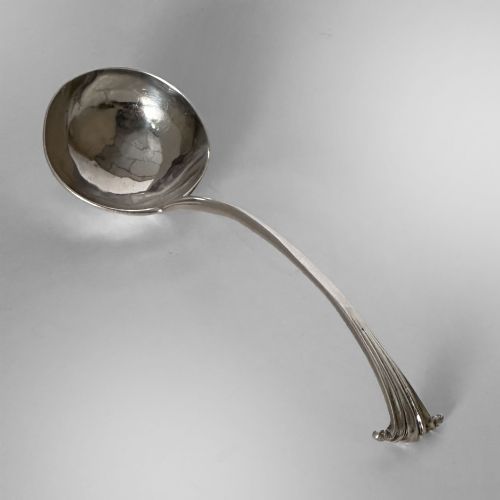
Makers working within this span produced heavy serving items, sometimes featuring crests or threaded borders. Buyers encounter both single examples and matched pairs in patterns like Old English and Fiddle and Thread.
Materials and construction
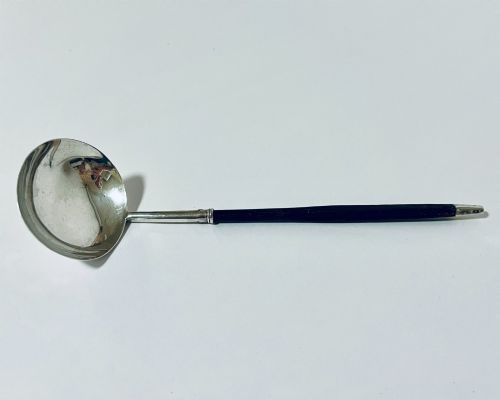
Silversmiths constructed these serving pieces primarily in sterling silver and silver, occasionally incorporating wood and horn for handles. The metal was hammered and shaped into deep bowls and sturdy stems, designed to withstand the heavy lifting of hot liquids.
Makers applied punches and town marks directly to the sterling silver, recording assay offices, dates, and maker initials. Handles often received engraved family crests or decorative borders during fabrication.
Materials across the inventory include sterling silver, silver, wood, and horn, spanning the Georgian and Victorian periods.
Distinguishing quality in silver ladles
Quality rests upon the gauge of the silver and the crispness of the maker marks or town marks stamped into the metal. Heavier pieces show minimal wear to the bowl rim and maintain structural rigidity along the stem.
The distinction between standard workshop production and distinguished provincial or maker output is visible in the balance of the utensil and the precision of engraved crests or threaded borders.
Milne and Campbell·Hester Bateman·William Ferguson·Michael Smith·Jamieson and Naughton
The Georgian Silver Soup Ladle Glossary
- Sterling silver
- A silver alloy containing 92.5 percent pure silver by mass, forming the primary material for these dining utensils. This standard ensures durability for serving pieces.
- Old English pattern
- A traditional flatware design characterised by a rounded end curving downwards, popular during the georgian silver soup ladle era. It offers a clean, understated aesthetic on the dining table.
- Provincial silver
- Items made and marked outside the main assay office of London, such as in Scottish or regional English towns. These regional pieces carry distinct town marks and maker initials.
- Punch ladle
- A smaller variant of the serving ladle, traditionally used for serving alcoholic punch from a bowl. They sometimes incorporate materials like wood or horn alongside silver.
- Town mark
- A punch symbol specific to the geographic location where a silver item was assayed or retailed. These marks assist in tracing the exact origin of provincial pieces.
Georgian Silver Soup Ladle: Frequently Asked Questions
How do I clean a silver soup ladle?
Clean sterling silver items gently with a soft cloth and specialised silver polish to preserve the original hallmarks and antique surface finish.
Avoid harsh abrasives or soaking pieces that contain wooden or horn elements in water.
Were these ladles used only for soup?
While primarily designed as a georgian silver soup ladle, makers also produced specific variations for serving punch and sauces.
Larger forms accommodated stews and communal liquids, reflecting the formal dining habits of the period.
How do I identify the date of a ladle?
Examine the stamped hallmarks on the reverse of the stem, which typically include maker marks, standard marks, and date letters.
Town marks and duty marks further narrow down the exact decade of manufacture during the Georgian and Victorian eras.