
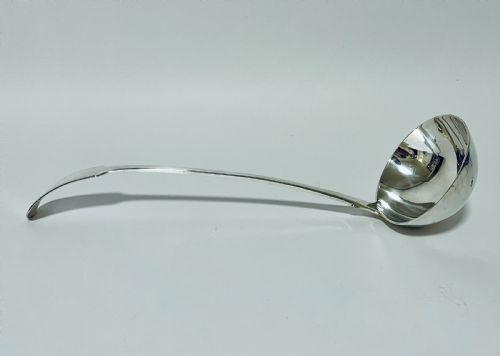
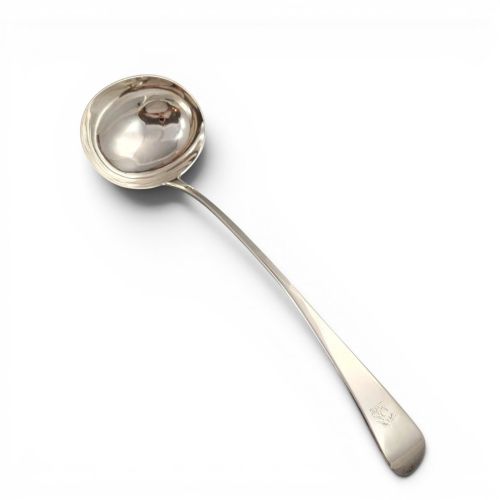

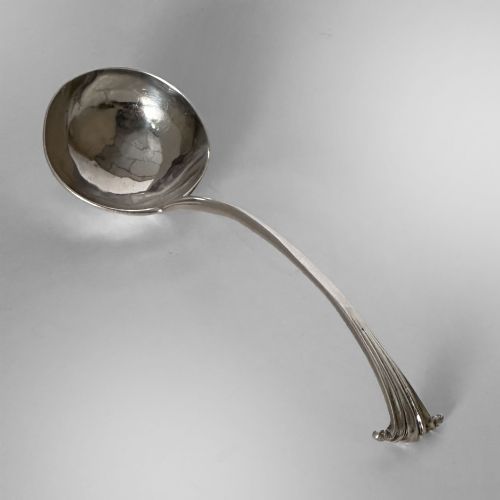


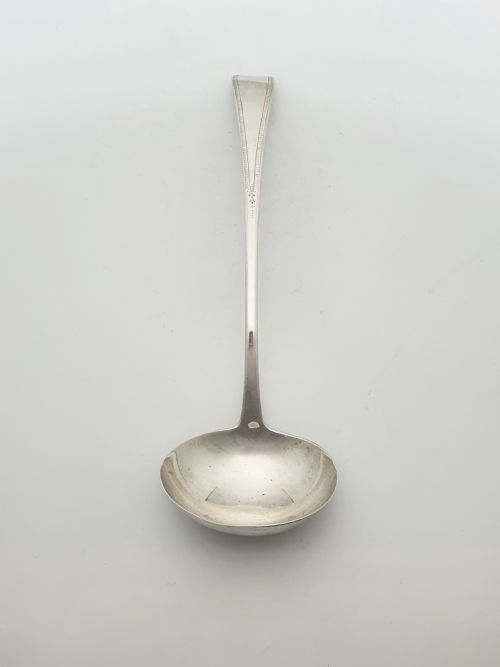


Georgian Silver Punch Ladle
A georgian silver punch ladle is a drinking vessel and serving utensil designed to portion punch or toddy, prized for its craftsmanship and historical weight.
Georgian Silver Punch Ladle
When searching for a georgian silver punch ladle, collectors encounter various serving utensils ranging from large soup pieces to smaller toddy vessels. The selection includes examples from the eighteenth century, the regency era, and occasional nineteenth-century manifestations.
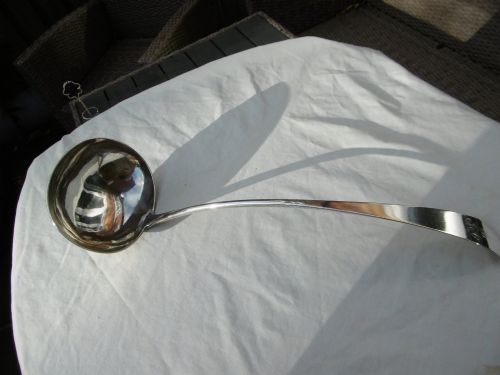
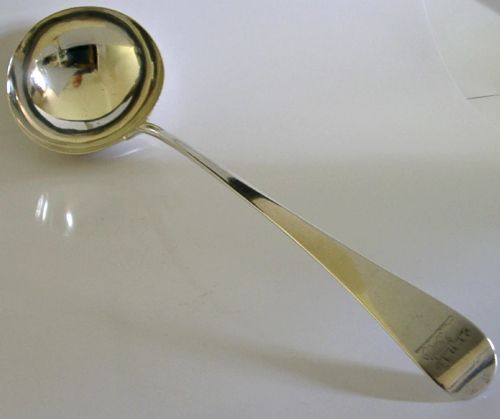
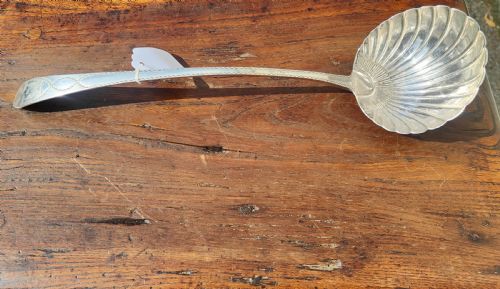
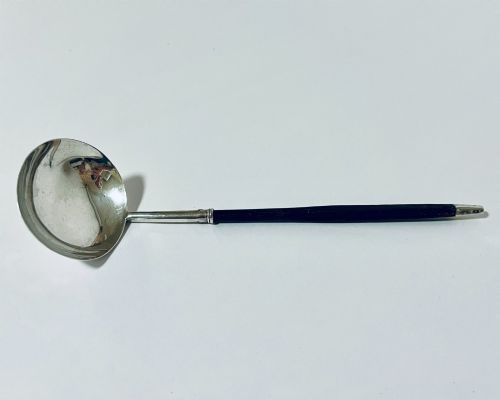
The common form on this page is the smaller toddy or punch ladle, often distinguished by a twisted or turned handle. Alongside these sit substantial soup ladles featuring traditional patterns such as Old English and threaded borders.
Materials and Construction
Silversmiths constructed these pieces primarily from sterling silver, shaping the bowls through hammering and embossing. Many examples incorporate organic elements into the handle, utilising wood, horn, or coquilla nut.
Some specialised toddy ladles feature inset coins, such as silver gilt currency, integrated directly into the base of the bowl. Hallmarks stamped into the metal record the assay office, date letter, and maker's mark.
Several drinking vessels incorporate old silver gilt coins right inside the bowl, ready to gaze upon through the amber punch.
Distinctions in Quality
Quality in these pieces rests upon the crispness of the hallmarks, the integrity of the silver gauge, and the balance of the handle. Substantial weight and clear maker marks elevate an example above standard production.
The integration of organic materials like horn or coquilla nut with the silver mount demonstrates superior craftsmanship. Engraved family crests and detailed coin insets also distinguish finer items.
Milne and Campbell·Hester Bateman·Michael Smith
The Georgian Silver Punch Ladle Glossary
- Toddy ladle
- A small drinking vessel used for scooping hot punch or spirits into glasses. These often feature whalebone or twisted wooden handles.
- Silver gilt
- Silver that has been coated with a thin layer of gold on the surface. This technique appears on inset coins within bowl interiors.
- Old English pattern
- A traditional eighteenth-century flatware design characterised by a downward-curving stem and central ridge. It forms the basis of many serving utensils.
- Hallmark
- A series of official marks stamped on precious metals to indicate standard of purity, place of origin, and date. They provide the primary means of dating a piece.
- Coquilla nut
- The hard brown fruit of a South American palm tree utilised by makers for turned handles. Its dense texture polishes to a smooth finish.
Georgian Silver Punch Ladle: Frequently Asked Questions
What is a georgian silver punch ladle used for?
These utensils served to transfer warm punch, toddy, or soup from a large bowl into individual drinking vessels during social gatherings.
Their long handles prevented hands from touching hot liquids, while spouted bowls allowed precise pouring.
How do I identify a period piece?
Examination of the stamped hallmarks reveals the assay office and the exact year of production. Stylistic details like bowl shape and handle material also indicate the era.
Consulting maker's marks helps connect the object to known silversmiths working in London, Dublin, or provincial centres.
Why do some ladles have wooden handles?
Silversmiths utilised wood, horn, or coquilla nut to prevent heat transfer from hot punch bowls to the user's hand.
These organic materials were turned and twisted to provide a secure grip during serving.
How should I care for silver and bone pieces?
Gentle washing with warm water and mild soap preserves both the metal and organic handle components. Avoid harsh chemical dips that damage historical patinas and remove desirable ageing.
Storage in tarnish-resistant cloths protects the surface from atmospheric sulfur.