




Georgian Silver Pin
These pieces of georgian silver pin history include novelty pincushions, trays, and brooches crafted in silver, gold, and paste glass.
Georgian Silver Pin
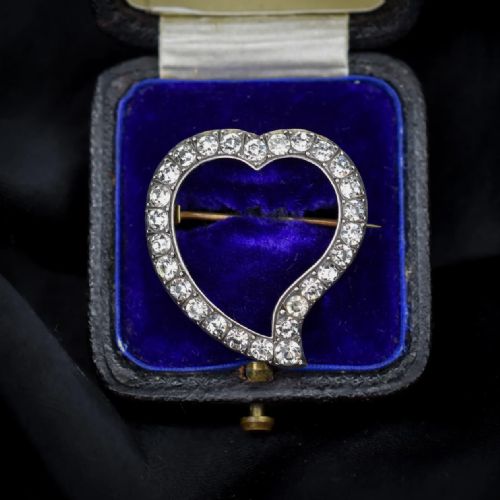
A georgian silver pin encompasses a diverse group of objects, ranging from decorative brooches and pins set with paste stones to intricate novelty pin cushions and small trays. Buyers searching this phrase meet items spanning the eighteenth century through to the Victorian and Edwardian periods, reflecting varied domestic and personal uses.
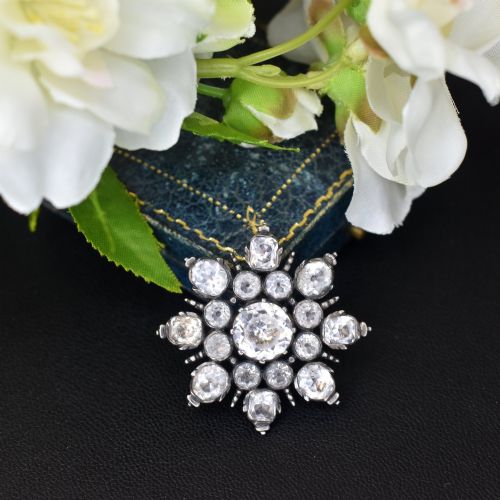
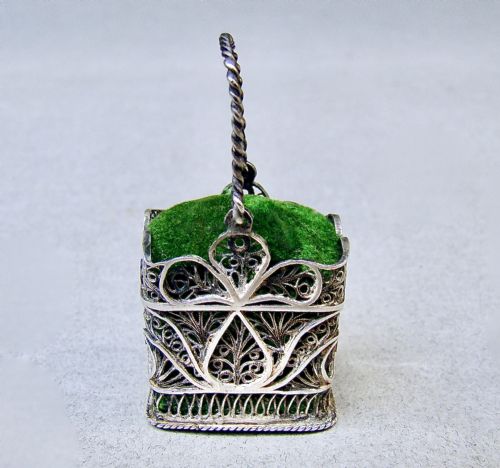
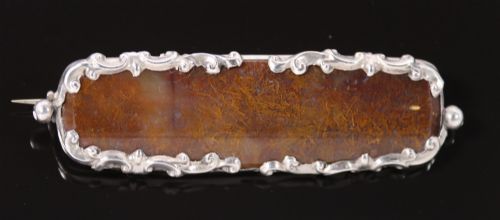
The most common forms on this page include filigree wheel pin cushions, flower basket pin cushions, and silver brooches incorporating moss agate or coloured paste. These items survive from Georgian and later eras, showing the breadth of small-scale silver work produced across these periods.
How they were made
Silversmiths utilised sterling silver and Old Sheffield Plate alongside components of gold and copper to construct these small items. Fine wirework filigree appears in specialised pieces like chatelaine pin cushions, requiring precise manual dexterity.
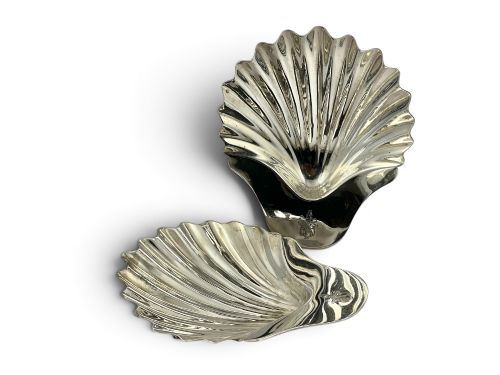
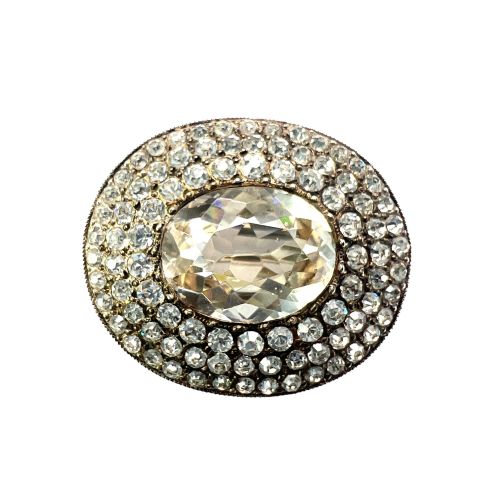
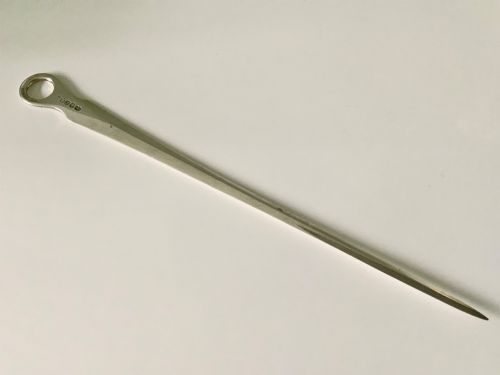
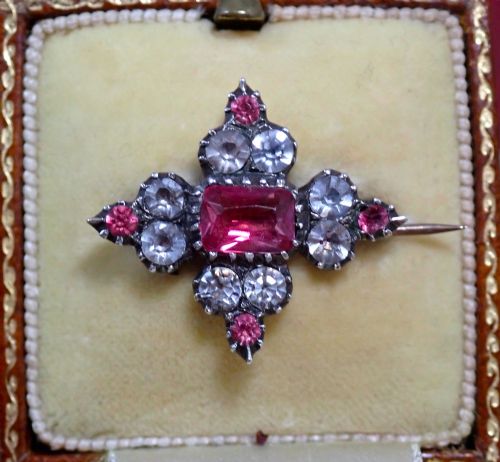
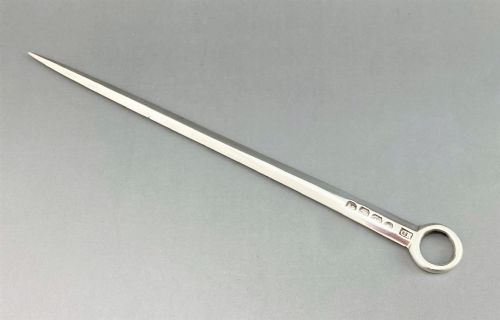
Gemstones and paste glass, including black dot and ruby paste, moss agate, and rose diamonds, were hand-set into silver and gold mounts. Metal elements were cast, chased, or formed into novelty shapes such as baskets, mussel shells, and meat skewers.
Georgian Silver Pin Retail Price Guide 2026
Typical asking prices for georgian silver pin among the pieces listed under this phrase on Sellingantiques today, from the lower quarter to the upper quarter. They describe what is for sale here now, not the wider market.
Listings feature items from the Georgian, Regency, Victorian, and Edwardian periods, utilising silver, sterling silver, gold, copper, paste, and moss agate.
What varies in quality
The refinement of the chasing and the complexity of the silver work distinguish superior examples from standard production. Filigree pin cushions with intricate wheel designs or detailed novelty forms demand higher levels of craftsmanship than plain utility trays.
The selection and setting of paste glass or natural stones such as moss agate influence the visual merit of brooches and pins. Clean metal joints, legible hallmarks, and well-preserved gilt washes indicate superior execution by the maker.
George Cooper·Peter and Anne Bateman·Joseph Taylor·Crispin Fuller·Thomas Robbins·William Pinder·Robert·Frederick Brasted·Gabriel Sleath·Edward Pocock·Shaw and Priest·John Langlands I·George Smith II·Jasper Kelly
The Georgian Silver Pin Glossary
- Paste glass
- A heavy type of lead glass cut and polished by hand to imitate gemstones. It was widely utilised in Georgian and Victorian brooches for its brilliant sparkle.
- Old Sheffield Plate
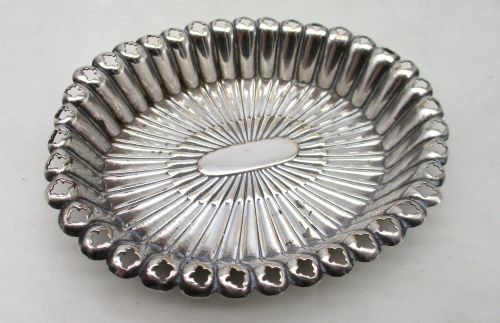
- A composite material formed by fusing a thin sheet of silver to a thicker copper base. It appears on eighteenth-century trays and domestic wares.
- Filigree
- Delicate ornamental work consisting of fine silver wire twisted and soldered together. It creates openwork patterns seen on chatelaine pin cushions.
- Moss agate
- A semi-precious gemstone consisting of quartz with dendritic inclusions resembling moss. It is frequently mounted in silver brooches from the Georgian period.
- Paten
- A small shallow plate or dish used in ecclesiastical contexts or as domestic silver. Examples from the early eighteenth century survive in sterling silver.
Georgian Silver Pin: Frequently Asked Questions
What is a georgian silver pin cushion?
A georgian silver pin cushion is a small, decorative domestic object formed into novelty shapes like baskets, mussel shells, or wheels. These pieces were designed to hold sewing pins on a dressing table or suspended from a chatelaine.
They often feature detailed silver filigree or hallmarks dating them to the late eighteenth or early nineteenth centuries. Their varied forms make them notable examples of small-scale Georgian silver work.
How do I date a paste silver brooch?
Dating paste silver brooches involves examining the cut of the stones, the metal alloys, and the construction of the pin stem and catch. Georgian examples typically feature hand-cut old paste stones set in closed-back silver or gold mounts.
Later Victorian versions often employ open-back settings and different pin mechanisms. Comparing the overall style against documented examples helps confirm the period of manufacture.
How should I clean antique silver paste jewellery?
Cleaning antique silver paste jewellery requires gentle methods to protect delicate metal settings and foil-backed or open-backed glass stones. Moisture should be kept away from paste stones, as water trapped behind the glass can cause discoloration.
Using a soft, dry cloth removes surface dust without harming the silver or the vintage mountings. Professional advice is recommended for pieces showing structural wear.