
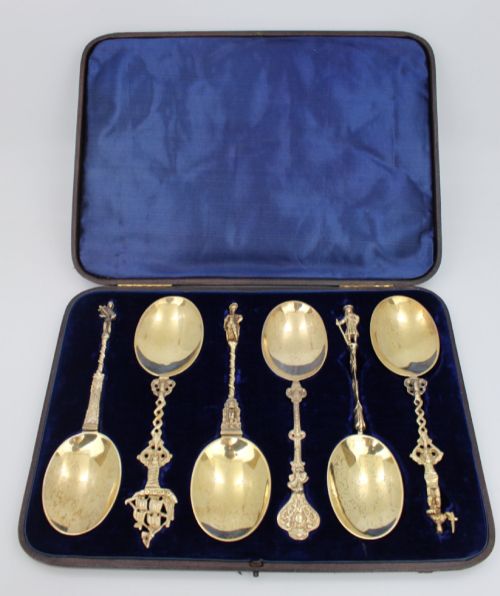
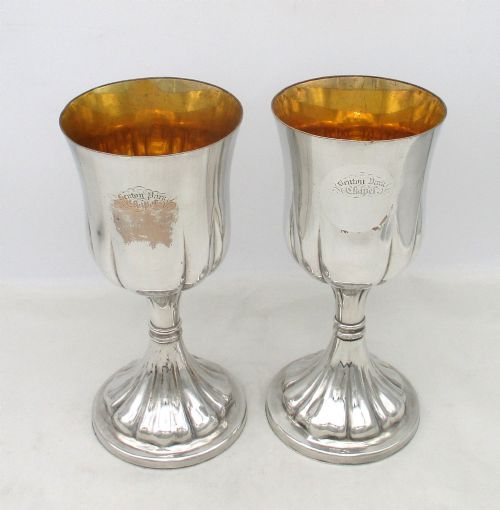

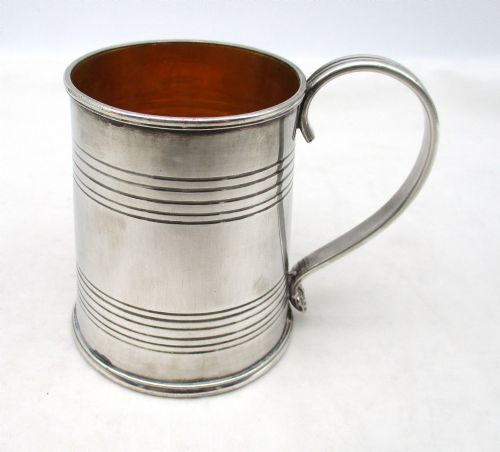
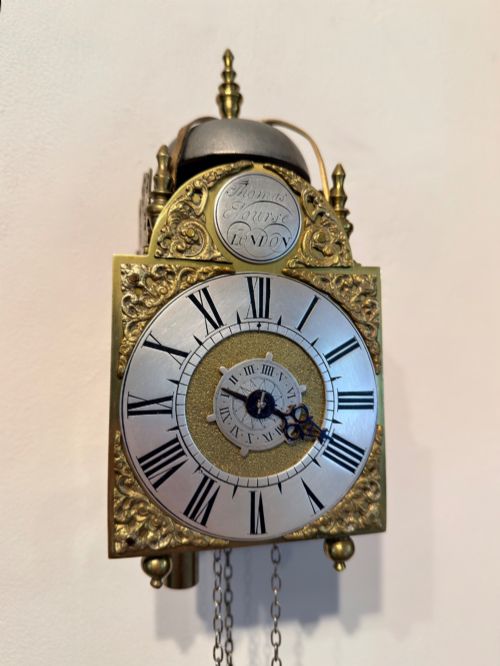
Georgian Silver Gilt
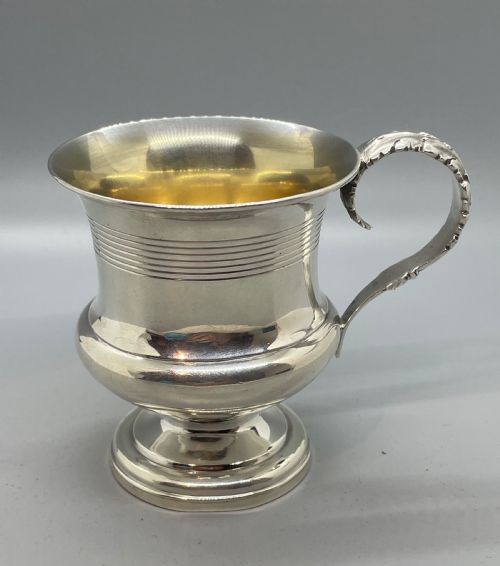
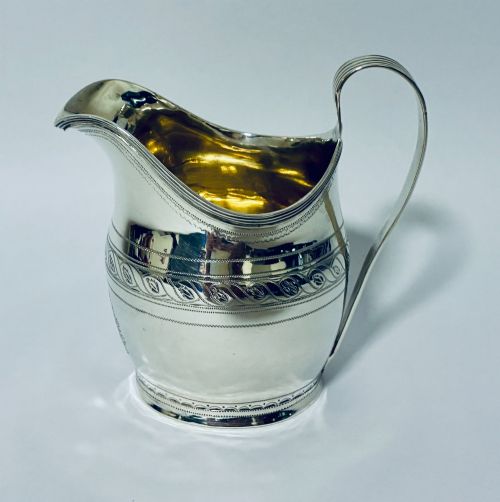
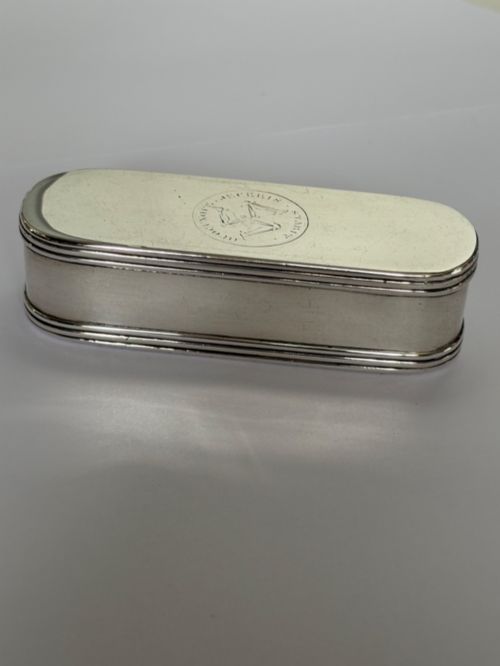
Georgian silver gilt brings a brilliant layer of gold wash over solid sterling silver, catching the light across pocket snuff boxes and dining table salts.
Georgian Silver Gilt
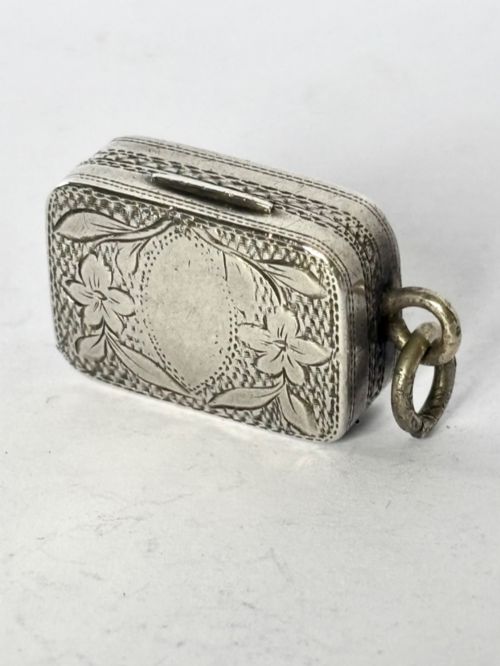
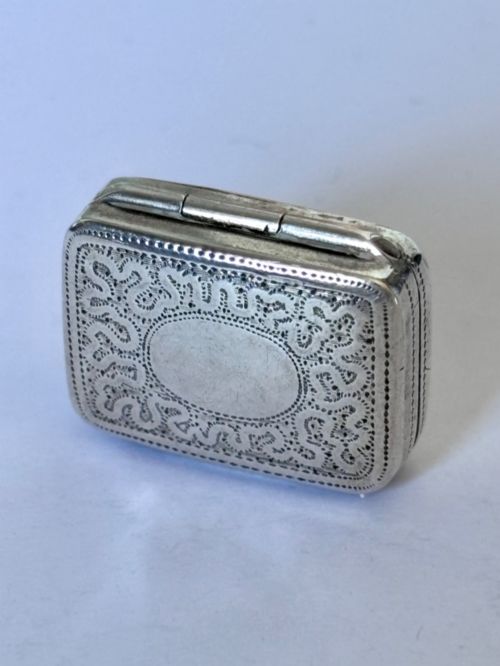
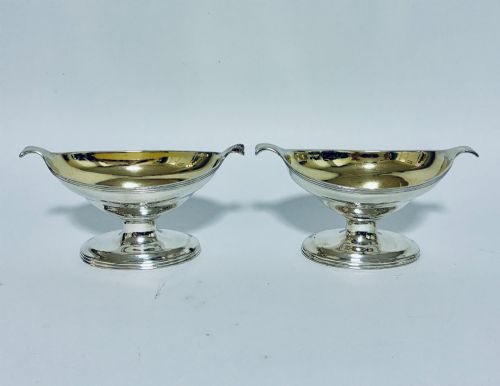
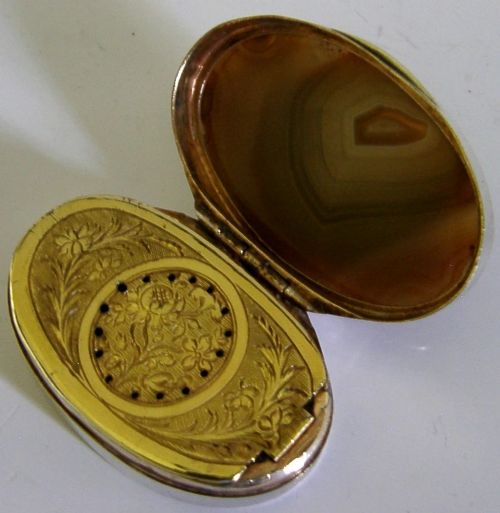
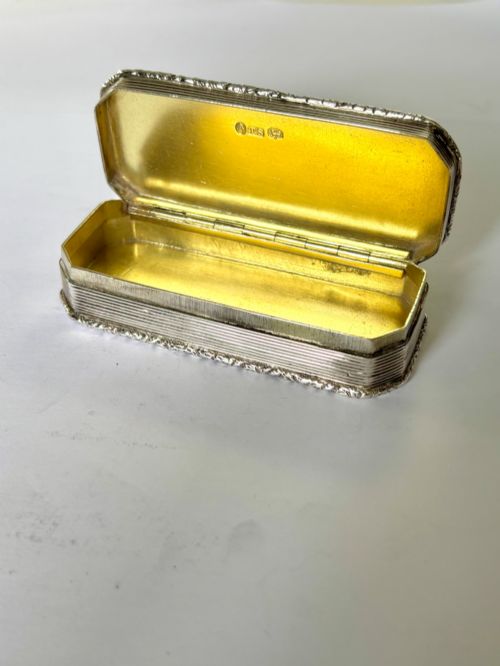
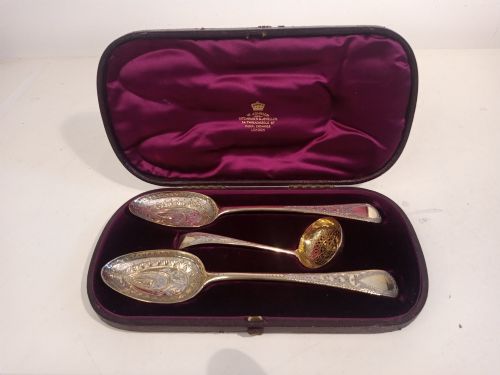
The pieces most frequently met on this page include pocket snuff boxes, vinaigrettes with internal pierced grilles, and salt cellars featuring gilded interiors. These survivors demonstrate how silver smiths used gold wash to protect the wearer from tarnishing silver while adding a rich, warm tone.
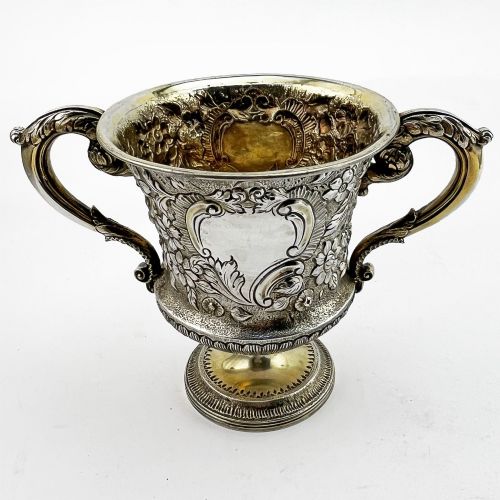
Makers produced these items in workshops across London and provincial centres like Birmingham, applying chased foliage, heraldic crests, and cast motifs. The resulting objects served daily functional roles in polite society before transitioning into cabinet pieces for collectors.
Materials and technique
Silversmiths formed the foundation of each object from sterling silver, using sheet metal construction, raising hammers, or cast components depending on the vessel type. They applied decoration through repoussé work, chasing, and hand engraving before assembling the final form.
The gilding process involved fire gilding, where artisans coated the silver in a mixture of gold amalgam and mercury, then heated the piece to drive off the mercury and bond the gold layer to the metal. This technique produced a durable, deep layer of gold wash that often survives centuries of handling.
Listings feature items spanning the Georgian, Victorian, and Edwardian eras, utilising sterling silver, gold gilt, and Sheffield plate.
The markers of quality
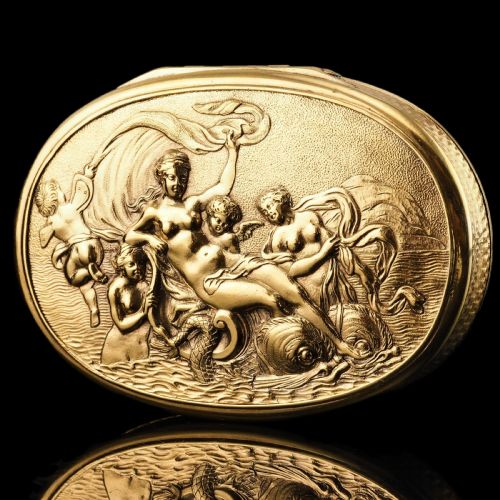
Quality rests in the crispness of the chased decoration and the retention of the original fire gilt layer across high-wear areas. Superior examples display sharp detail in figural scenes and heraldic crests rather than softened contours from excessive polishing.
Internal mechanics dictate the standard for smaller portable items, such as the snug fit of a vinaigrette hinge or the spring action of a snuff box lid. Maker marks and assay office stamps impressed cleanly into the metal confirm the workshop origin and standard of the silver.
Samuel Pemberton·Thomas Johnson·Cornelius Bland·Thomas Shaw·Nathaniel Mills·Peter and Anne Bateman·William Chawner II·David Hennell·William Bateman·Deakin & Francis·Marson & Jones
The Georgian Silver Gilt Glossary
- Silver-gilt
- Sterling silver covered with a thin layer of gold applied by fire gilding or electroplating. This finish prevents the underlying silver from tarnishing while providing the appearance of solid gold.
- Vinaigrette
- A small decorative box containing a sponge soaked in aromatic vinegar behind a pierced metal grille. Gentlemen and ladies carried these in their pockets during the Georgian period to mask unpleasant odours.
- Repoussé
- A metalworking technique where the artisan hammers the silver from the reverse side to form a raised design in relief. This method allowed makers to create dynamic floral and figural scenes.
- Assay mark
- A stamp applied by an official office to certify the purity of the silver. These marks typically include a standard mark, a town mark, and a date letter.
- Chasing
- The process of refining metal surfaces from the front using punches and hammers to push the metal rather than cut it away. This technique sharpens details introduced during repoussé work.
Georgian Silver Gilt: Frequently Asked Questions
What is georgian silver gilt?
Georgian silver gilt is sterling silver covered with a layer of gold wash, produced primarily during the eighteenth and early nineteenth centuries. Workshops applied this finish to items like snuff boxes and salt cellars to combine the structural strength of silver with the rich appearance of gold.
The gold layer protects the underlying silver from tarnishing while providing a warm hue. These objects include functional tableware and pocket containers decorated with chased patterns and heraldic engravings.
How do you clean silver gilt?
Cleaning silver gilt requires extreme care because aggressive polishing wears away the thin layer of gold and exposes the underlying silver. Experts recommend warm water and mild soap with a soft cloth, avoiding commercial dips or abrasive pastes entirely.
Storing pieces away from direct sunlight and moisture helps preserve the fragile fire gilt surface. Professional maintenance remains rarely necessary if the object receives gentle handling.
How do you date these pieces?
Dating georgian silver gilt relies on the hallmarks stamped directly into the metal by official assay offices. These marks include date letters, town symbols, and maker initials that point to the exact year of production.
Stylistic shifts also help establish periods, moving from plain rococo curves to rigid neoclassical motifs and ornate Victorian designs. Comparing the crests and construction methods against documented workshop records provides further confirmation.
How were vinaigrettes used?
Vinaigrettes served as portable receptacles for aromatics during an era when foul smells and unsanitary conditions prevailed in public spaces. Owners placed a vinegar-soaked sponge beneath a hinged, pierced interior grille to combat nausea or faintness.
These small boxes fit easily into a waistcoat pocket or hung from a chatelaine by a delicate loop. The gilded interior protected the silver from the corrosive nature of the aromatic vinegar.
What is the difference between silver and silver gilt?
Solid silver presents a bright white metallic surface that naturally oxidises and tarnishes when exposed to air and handling. Silver gilt introduces an additional layer of gold over that silver foundation, altering the colour and durability of the exterior.
This gold application creates a distinct golden sheen while retaining the weight and hallmark characteristics of sterling silver. Makers reserved this extra step for high-status items and objects exposed to corrosive substances.