
Georgian Side Server
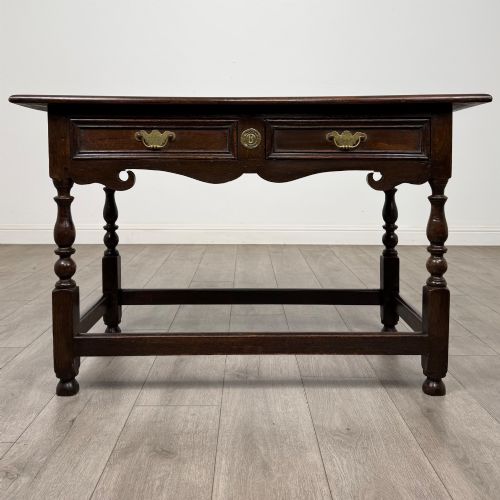
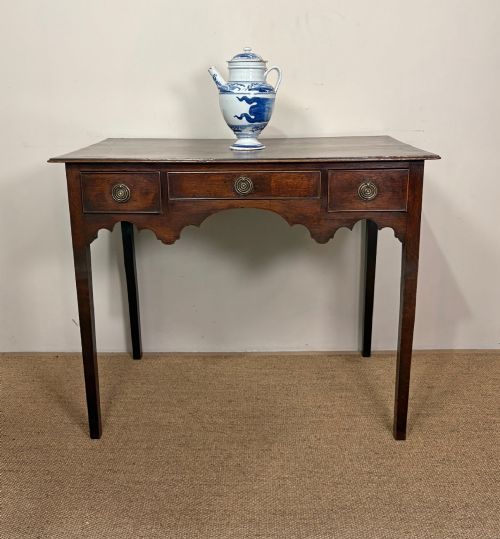
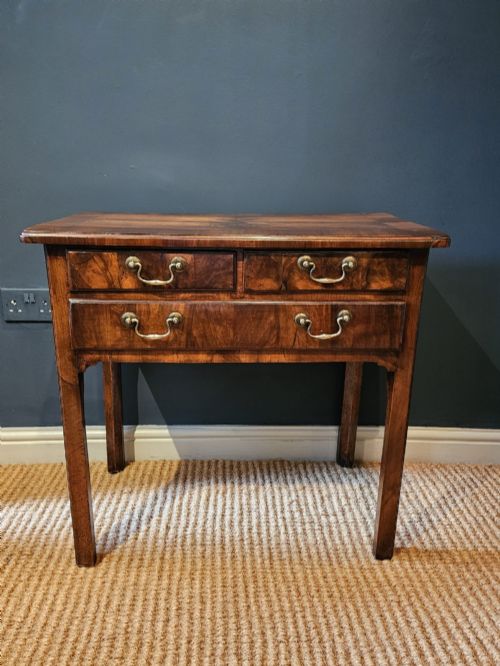
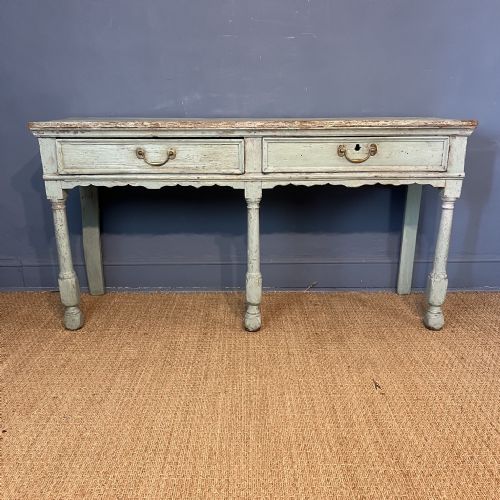
A georgian side server is a solid dining room or hallway piece built to hold dishes and serve food.
Georgian Side Server
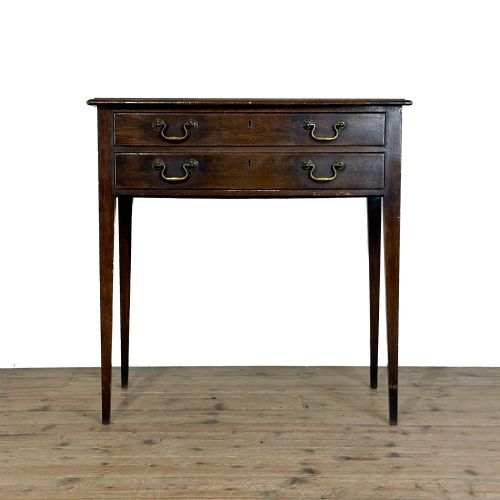
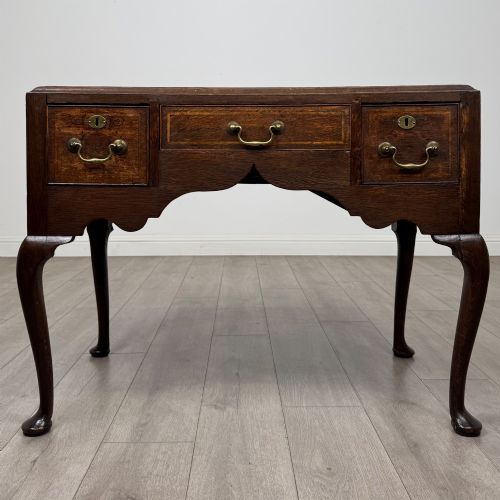
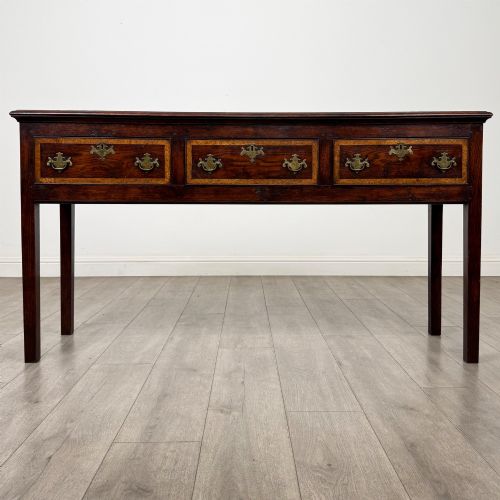
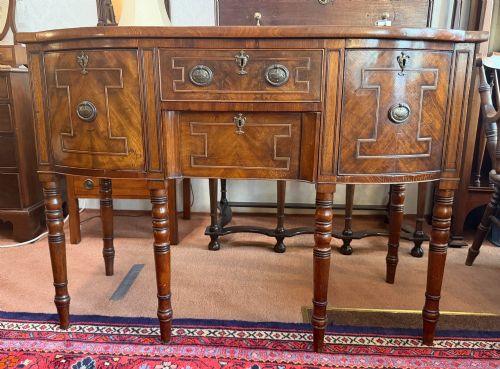
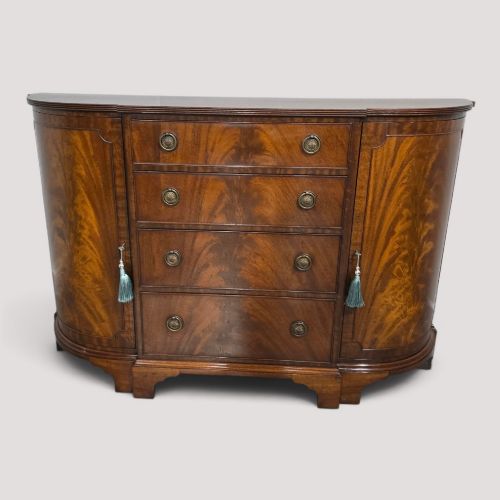
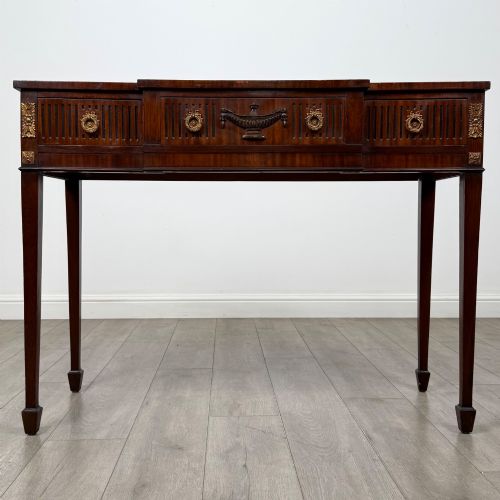
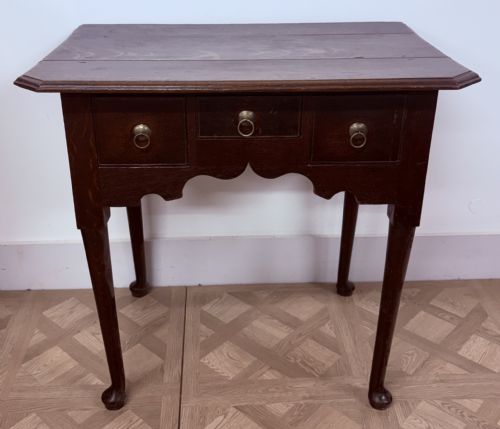
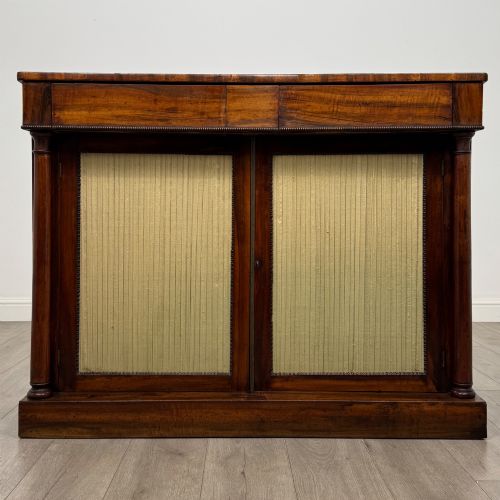
When you search for a georgian side server, you encounter lowboy side tables, dresser bases, and serving tables originating mainly from the eighteenth and nineteenth centuries. These items served dining rooms and halls for food preparation and storage.
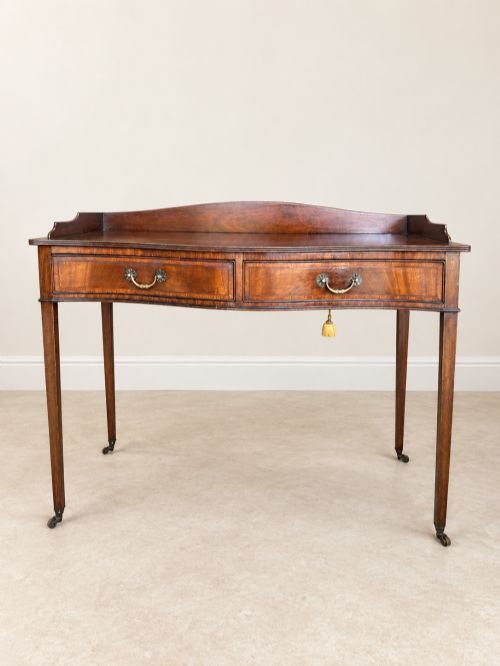
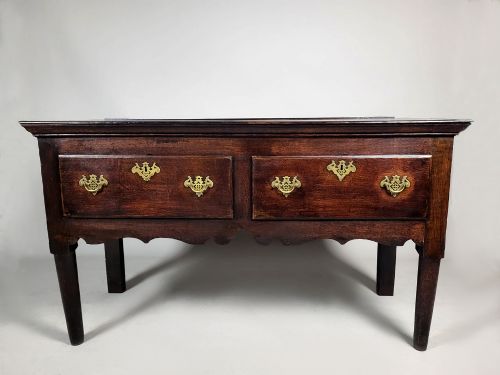
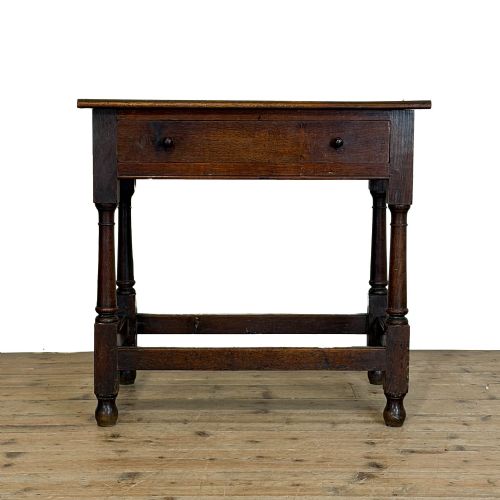
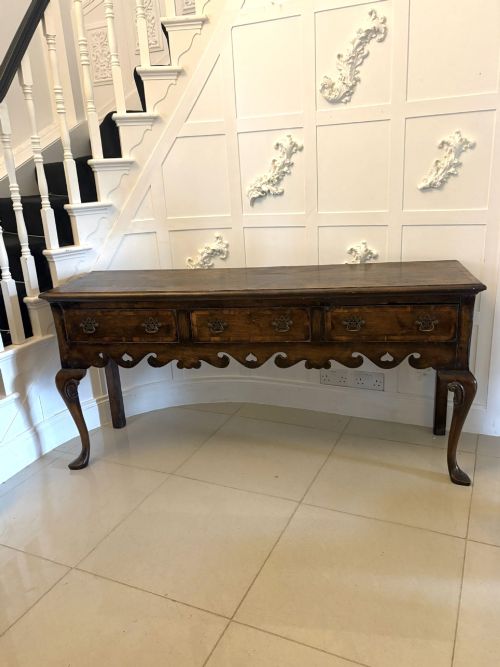
The versions most common on this page are oak and mahogany tables, often incorporating drawers and standing on cabriole or straight legs. They range from country house consoles to formal flame mahogany dining room servers with brass gallery rails.
Makers and craftsmen built these formats across English, Welsh, and Irish regions, utilising local timber such as oak, walnut, and pine alongside imported mahogany.
Materials and Technique
Makers constructed these servers using solid timbers like oak, walnut, and mahogany, frequently applying flame mahogany veneers and cross-banding to the primary surfaces. Joinery relied on traditional methods suited to heavy daily use in busy households.
Detailing often included carved cabriole legs, brass hardware, and raised gallery backs designed to keep serving dishes secure. Pine served as a secondary wood for drawer linings and internal framing.
Listings feature timbers including oak, mahogany, walnut, burr walnut, pine, and satinwood across the eighteenth, nineteenth, and early twentieth centuries.
Judging Quality
The grade of a piece rests on the selection of timber, such as figured flame mahogany or dense burr walnut, matched with the crispness of hand-carved details like lion motifs or cabriole knees. Superior examples retain their original brass hardware, gallery rails, and structural integrity without heavy restoration.
Proportion and execution distinguish finer formal dining room servers from simpler country workshop pieces, though both demonstrate the utility required of dining furniture.
The Georgian Side Server Glossary
- Lowboy
- A small oak or walnut table with one or more rows of drawers, commonly used as a dressing or side table.
- Dresser base
- A lower storage unit with drawers and cupboards, originating from country kitchens and dining rooms.
- Gallery rail
- A brass or wooden rail attached to the rear edge of a serving table to prevent dishes from sliding off.
- Cross-banding
- A decorative border technique where thin strips of veneer are laid across the grain of the primary wood.
- Cabriole leg
- A furniture leg that curves out and then in, mimicking an animal's leg, typical of earlier eighteenth-century designs.
Georgian Side Server: Frequently Asked Questions
What is a georgian side server?
A georgian side server is a period table or low sideboard designed for dining rooms and hallways to hold food, silver, and serving dishes.
These pieces span the eighteenth and nineteenth centuries, appearing in forms ranging from simple oak lowboys to grand flame mahogany servers with brass galleries.
How were they used originally?
Households utilised these servers during meals to stage dishes, pour drinks, and store cutlery out of the main kitchen.
In grander dining rooms, they supported large service platters, while smaller country versions functioned as general hallway or parlour tables.
Where should I place one today?
These servers fit well in dining rooms as actual serving stations or in hallways as console tables for keys and post.
Their narrow depths allow them to sit comfortably against walls in tight spaces without blocking walkways.
How do I spot a later copy?
Distinguishing period items from later revivals involves examining timber shrinkage, tool marks inside drawers, and the consistency of the wood ageing.
Later copies from the Edwardian era or the twentieth century often display machine-cut elements and different secondary woods compared to eighteenth-century originals.